Decoding Optical Quality: What Separates Budget from Premium Glass
When browsing the market for a 50mm prime lens, photographers encounter a bewildering spectrum of pricing. Entry-level options hover around the hundred-dollar mark, while professional-grade equivalents can command thirty times that investment. Both optical formulations will successfully capture images, but the practical implications of this cost differential extend far beyond mere image capture.
Optical Construction and Performance Metrics
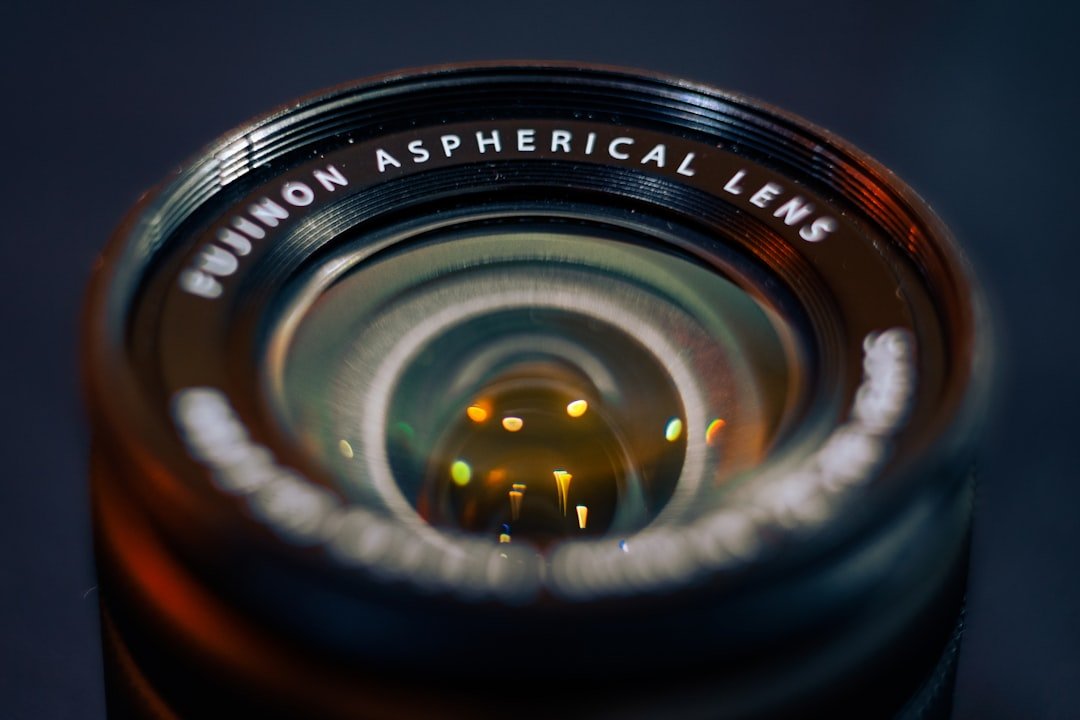
The most tangible distinction between economy and luxury optics lies in their internal architecture. Premium lenses typically incorporate additional glass elements and utilize advanced multi-coatings that minimize internal reflections and chromatic aberration. Budget alternatives employ simpler designs with fewer corrections, which translates to measurable optical compromises under demanding shooting conditions.
Aperture performance represents another critical variable. While affordable fifty-millimeter primes often feature maximum apertures around f/1.8, their premium counterparts frequently achieve f/1.4 or wider specifications. This distinction carries substantial implications for low-light photography, background separation capabilities, and overall light-gathering capacity.
Build Quality and Durability Considerations
Construction materials demonstrate the investment philosophy underlying each price tier. Budget-conscious manufacturers incorporate plastic components throughout their designs, prioritizing affordability over longevity. Conversely, professional equipment integrates metal chassis, precision-engineered focusing mechanisms, and weather-sealed constructions designed to withstand years of intensive fieldwork.
Autofocus responsiveness and accuracy also diverge significantly. Premium lenses employ sophisticated motor systems enabling rapid, silent focusing suitable for video production and demanding editorial assignments. Budget alternatives often exhibit slower acquisition speeds and audible motor operation.
Practical Real-World Applications
For hobbyists and casual practitioners, the disparity may prove negligible. Budget glass delivers acceptable results for social media content, personal documentation, and learning fundamentals. The optical shortcomings become apparent primarily when enlarging prints substantially or working under challenging lighting scenarios.
Professional photographers, conversely, justify premium investments through consistent optical performance, enhanced durability, and rental value retention. Commercial assignments frequently demand reliable autofocus, superior corner sharpness, and distortion control that justifies substantial equipment expenditures.
The Long-Term Perspective
Resale economics deserve consideration when evaluating total cost of ownership. Premium lenses maintain stronger secondary market valuations, effectively reducing the genuine financial burden over extended ownership periods. Budget alternatives depreciate more severely, sometimes losing fifty percent of initial value within two years.
Making Your Decision
The optimal choice depends entirely on individual shooting requirements and professional ambitions. Emerging photographers benefit from developing skills with accessible equipment before committing significant capital. Established professionals justifiably invest in superior optics that enhance workflow efficiency and image quality standards.
Rather than viewing this as a simple quality dichotomy, consider it a spectrum reflecting intended use cases and performance expectations. The hundreds-of-dollars investment serves legitimate photographic purposes for many practitioners, while the thousands-of-dollars commitment addresses specialized professional demands.