Evaluating Fujifilm’s Monochrome Performance Across APS-C Sensors
When it comes to black and white photography, sensor technology plays a crucial role in determining image quality, tonal separation, and overall aesthetic appeal. One dedicated photographer recently embarked on an ambitious project to systematically evaluate nearly every APS-C sensor that Fujifilm has produced, offering invaluable insights into which models excel at rendering monochromatic imagery.
The investigation reveals significant variations in how different generations of Fujifilm’s proprietary X-Trans sensor architecture handle the conversion to grayscale. Each iteration brings distinct characteristics that influence contrast rendering, shadow detail retention, and highlight preservation—all critical factors for serious monochrome practitioners.
The X-Trans Advantage in Grayscale Work
Fujifilm’s unique bayer-pattern alternative has long intrigued photographers seeking alternatives to conventional sensor designs. The X-Trans architecture’s distinctive pixel arrangement creates subtle yet measurable differences in how tonal information is captured and processed, particularly when stripping away color information. This becomes especially apparent when examining shadow gradations and texture preservation in minimalist compositions.
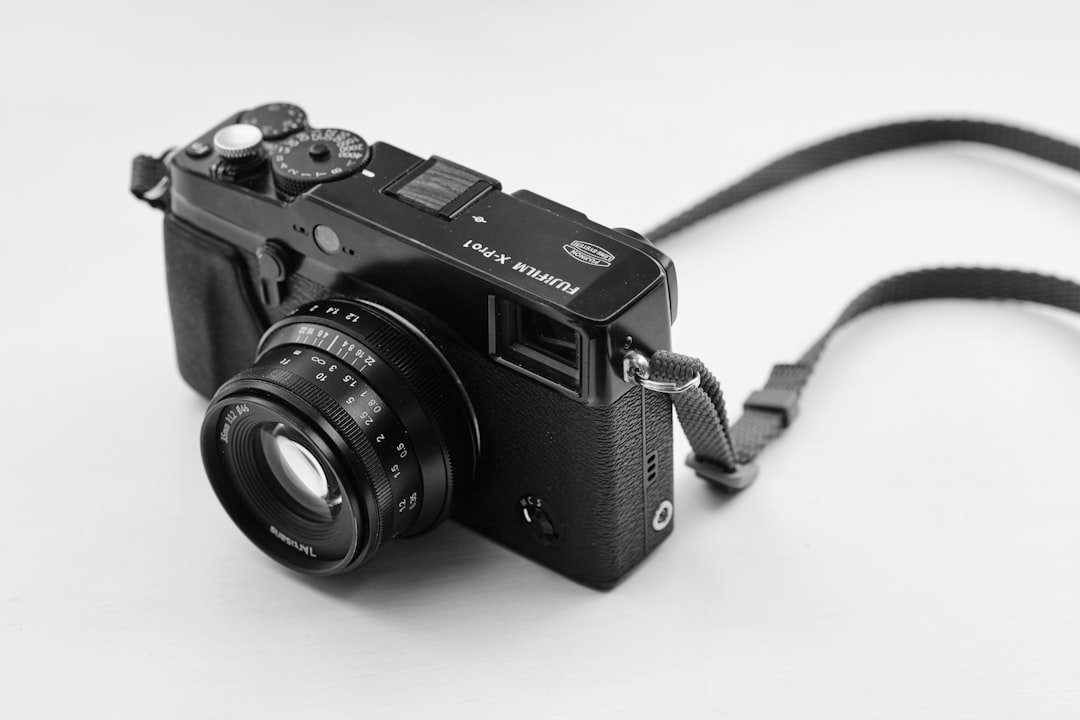
The first-generation X-Trans sensor, originally introduced in the X-Pro1 flagship model, maintains a devoted following among black and white enthusiasts. This particular iteration demonstrates exceptional tonality characteristics that continue to satisfy discerning photographers who prioritize aesthetic integrity over raw specification metrics. The sensor’s native processing pipeline creates distinctive monochromatic output that many practitioners consider unmatched by subsequent generations.
Comparative Performance Across Generations
Through systematic testing across multiple camera bodies and sensor revisions, the photographer documented measurable differences in dynamic range, noise characteristics, and color-to-gray conversion quality. Later X-Trans versions introduced refinements addressing resolution and processing speed, yet some users argue these improvements came at the expense of the distinctive tonal character that defined earlier iterations.
The comprehensive evaluation methodology examined files processed through Fujifilm’s native film simulation profiles alongside traditional RAW conversion workflows. This dual approach provided insight into both the manufacturer’s intended aesthetic philosophy and the flexibility available to photographers using third-party editing software.
Practical Implications for Your Workflow
For photographers specializing in monochromatic work, these findings carry immediate practical significance. Equipment selection directly impacts the final aesthetic, and understanding each sensor’s particular strengths allows for informed purchasing decisions aligned with individual creative vision. Whether prioritizing resolution, frame rate, or tonal rendering, Fujifilm’s extensive APS-C lineup accommodates different priorities.
The detailed analysis demonstrates that exceptional black and white photography remains entirely achievable across Fujifilm’s entire sensor lineup, yet nuanced differences exist that merit consideration. The investigation reinforces that sensor selection should complement personal shooting style and aesthetic preferences rather than pursuing specifications alone.
This comprehensive sensor evaluation serves as an essential resource for photographers considering Fujifilm investments or seeking to maximize their existing equipment’s monochromatic potential. The findings validate that passionate advocacy for particular models often stems from genuine performance advantages, not mere nostalgia or brand loyalty.