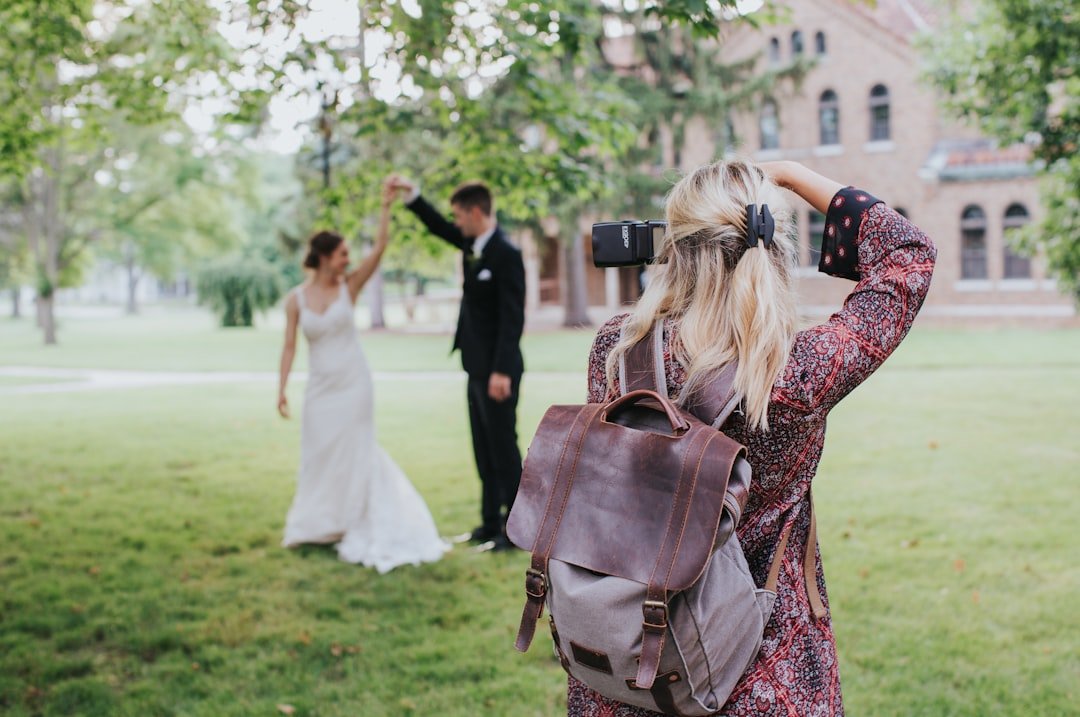
Building Your Photography Career as a Secondary Shooter
Serving as an assistant or secondary photographer at weddings represents one of the most valuable stepping stones in a professional imaging career. This specialized role offers unique advantages that can accelerate skill development while maintaining a lower-pressure environment compared to bearing primary responsibility for an event.
Unlike leading a wedding production where you manage timelines, client expectations, and critical shots, working as a secondary shooter allows you to focus on technical refinement and creative vision. You’re present during authentic moments as they unfold, capturing candid expressions and emotional exchanges without the administrative burden of orchestrating the entire day’s logistics.
Accelerated Learning Through Real-World Experience
Nothing replaces hands-on education in an actual wedding environment. Working alongside experienced lead photographers exposes you to professional workflows, lighting techniques, and problem-solving strategies that no classroom instruction can replicate. You’ll observe how established professionals manage challenging lighting conditions, navigate unexpected situations, and adapt their approach to different venues and client personalities.
This apprenticeship model provides mentorship that’s invaluable for developing the instincts necessary for professional wedding work. You’ll learn composition approaches, posing techniques, and client management strategies through observation and direct collaboration with seasoned practitioners in the field.
Portfolio Development and Financial Growth
Secondary shooting positions offer immediate portfolio-building opportunities. Each event generates high-quality images that showcase your technical abilities and creative perspective. Over time, this accumulating body of work demonstrates your versatility across different wedding styles, venues, and shooting scenarios—a diverse portfolio that proves essential when attracting future clients.
Beyond portfolio enhancement, this role provides direct compensation. Unlike unpaid internships or trade arrangements, secondary photographers earn income while developing expertise. This financial aspect makes the position particularly attractive for those transitioning into professional photography or those looking to expand their service offerings.
Strategic Advantages for Career Development
Secondary photographers often capture unique angles and perspectives that differ from the lead photographer’s primary coverage. This distinction can showcase your individual artistic voice while contributing meaningfully to the overall wedding documentation. You’re building a track record with actual wedding imagery rather than relying solely on styled test shoots.
Additionally, this role often leads to networking opportunities. You’ll connect with other photographers, vendors, and wedding professionals who may recommend your services or collaborate on future projects. Many established photographers who began as assistants credit these professional relationships as crucial to their business growth.
Practical Considerations Before Starting
Before pursuing secondary shooting positions, ensure you have reliable equipment, solid technical foundations, and the ability to work collaboratively. Understanding backup camera systems, lighting techniques, and post-production workflows will maximize your effectiveness. Communication skills matter significantly—you’ll need to coordinate seamlessly with your lead photographer and adapt to their specific direction and preferences.
Secondary wedding photography serves as an ideal bridge between learning and independent practice. It offers genuine income, portfolio development, real-world mentorship, and professional network expansion simultaneously. For photographers committed to building sustainable wedding practices, this intermediate step provides measurable value at every stage of the journey.