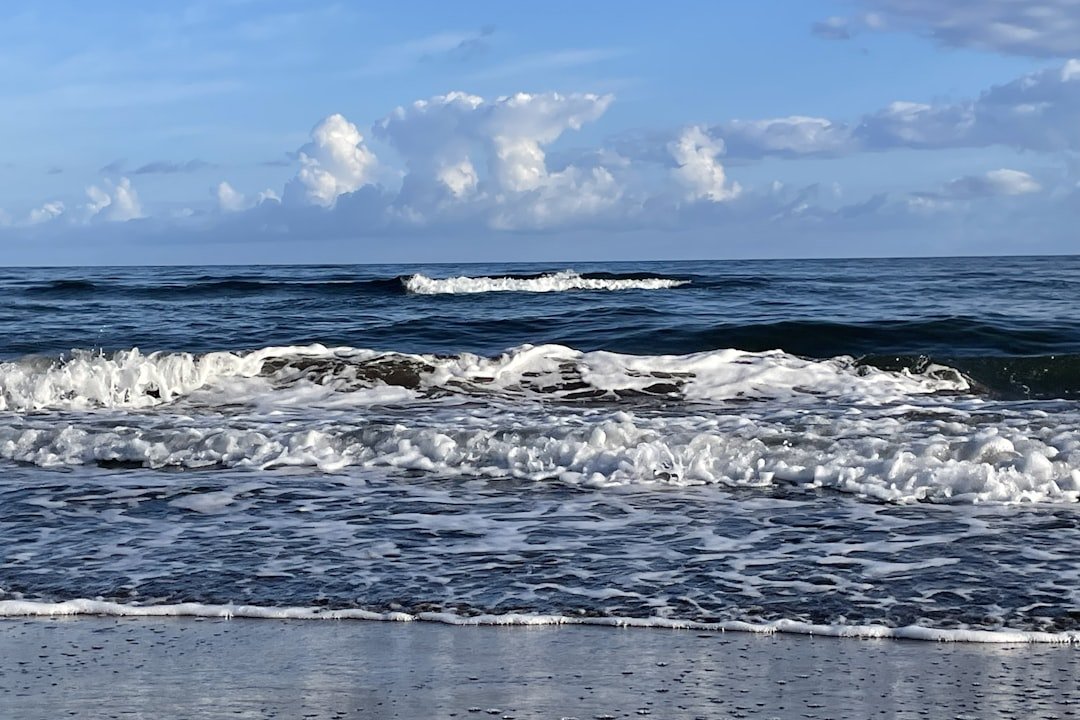
The Depth Behind Seaside Image Capture
Photographing coastal environments presents a unique convergence of technical challenges and creative opportunities that extends far beyond simply pointing a camera at water. Whether you’re a seasoned professional or emerging enthusiast, understanding the nuanced demands of maritime photography can significantly elevate your portfolio.
Ocean and shoreline photography demands a sophisticated approach to composition, lighting, and equipment management. The dynamic nature of waves, variable weather conditions, and salt-laden air create an environment where preparation and knowledge become your greatest assets.
Technical Considerations for Coastal Work
Working near the ocean requires meticulous attention to camera protection and lens maintenance. Salt spray and moisture present genuine threats to sensor integrity and optical elements. Implementing protective filters and regular cleaning protocols isn’t merely recommended—it’s essential for equipment longevity.
Exposure metering in seascape contexts demands particular finesse. The reflective properties of water and bright sand can mislead your camera’s built-in metering systems, resulting in underexposed subjects and blown-out skies. Learning to employ spot metering, exposure compensation, and manual mode settings becomes fundamental to consistent results.
Strategic Timing and Environmental Awareness
Successful maritime photography hinges on understanding temporal variables. Golden hour positioning, tidal patterns, and seasonal light angles all influence compositional possibilities. Professional photographers invest considerable time studying location-specific conditions before executing their vision.
Wind patterns and water movement require predictive thinking. Rather than waiting for perfect conditions, experienced practitioners develop an intuitive sense for anticipating wave formations and atmospheric dynamics that create visually compelling moments.
Safety Protocols and Practical Wisdom
Working in coastal environments demands unwavering commitment to personal safety. Unexpected wave surges, submerged obstacles, and changing weather conditions can escalate situations rapidly. Maintaining awareness of tide schedules, water temperature, and your physical positioning prevents accidents that could damage equipment or cause injury.
Securing your gear appropriately—utilizing sturdy tripods with sand anchors, keeping backup batteries accessible, and protecting electronics from moisture—represents fundamental professionalism rather than overcaution.
Advancing Your Compositional Approach
Effective seascape imagery transcends documentation of scenic beauty. Incorporating foreground elements, utilizing layered depth, and crafting compelling leading lines transform standard seaside photographs into gallery-worthy compositions. Understanding how horizon placement, wave positioning, and sky treatment interact creates dimensionality that captures viewer attention.
Many photographers discover that patience—sometimes spanning multiple location visits—yields the dramatic results that distinguish exceptional work from merely adequate snapshots.
The Professional Photographer’s Perspective
Contemporary maritime photography benefits from technological advances in autofocus tracking, high ISO capability, and dynamic range processing. However, these capabilities remain secondary to fundamental understanding of composition, lighting principles, and environmental interaction. The most compelling ocean imagery consistently reflects thoughtful planning and deliberate artistic choices rather than reliance on equipment sophistication.
Mastering seascape photography ultimately requires integrating technical proficiency with environmental awareness and creative vision—a combination that separates accomplished practitioners from casual observers with cameras.