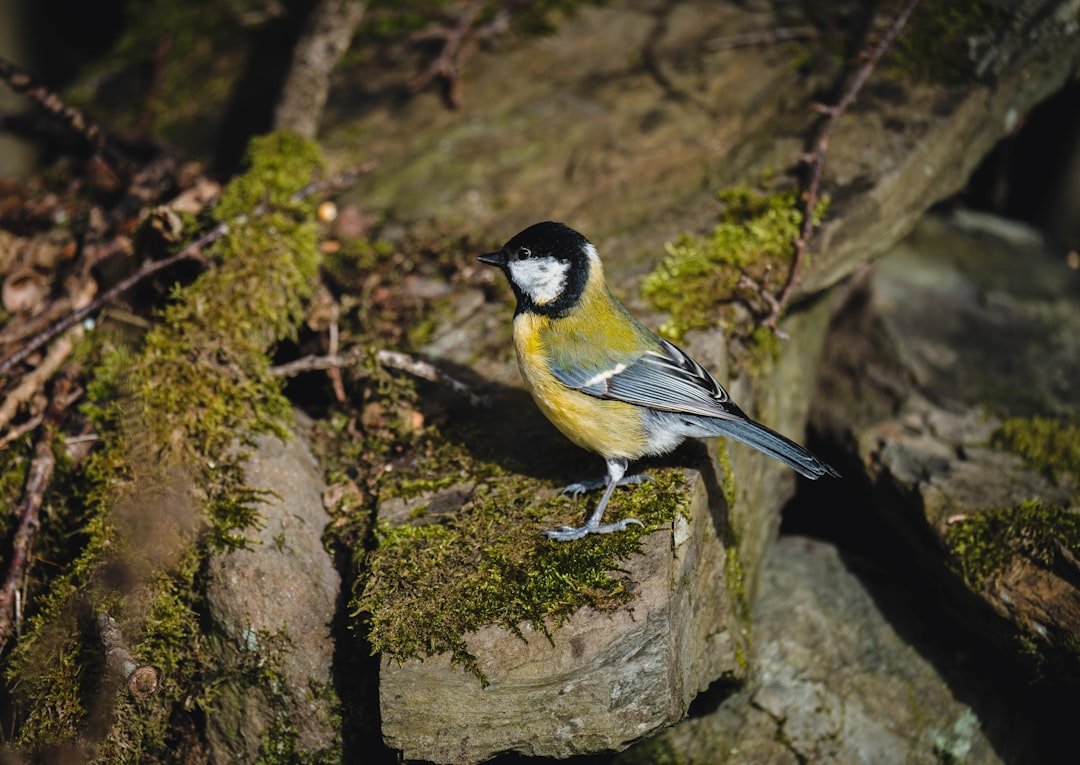
The Technical Trap in Bird Photography
In contemporary wildlife photography, there exists a pervasive misconception among practitioners: that achieving tack-sharp focus combined with optimal exposure metrics automatically produces compelling imagery. However, countless photographers discover that despite mastering their camera’s autofocus systems and exposure algorithms, their avian subjects still appear lifeless and uninspired.
This phenomenon reveals a fundamental disconnect between technical proficiency and artistic communication. The issue rarely stems from inadequate camera settings or suboptimal lens performance. Rather, the shortfall typically originates from a deficiency in narrative construction and emotional resonance within the frame.
Understanding the Storytelling Deficit
Professional wildlife photographers increasingly recognize that technical excellence represents merely the foundation upon which compelling imagery must be built. A perfectly exposed, razor-sharp photograph of a bird devoid of context, behavior, or environmental significance fails to captivate viewers or distinguish itself within an oversaturated digital marketplace.
The most impactful avian photography transcends mere documentation. It communicates behavioral moments, environmental relationships, ecological narratives, or psychological depth. These elements transform a technically flawless image into one that resonates emotionally and intellectually with audiences.
Strategic Approaches to Narrative Enhancement
Behavioral Documentation: Rather than capturing static portraits, prioritize moments that reveal authentic avian conduct. Document feeding sequences, territorial displays, nesting activities, or social interactions that provide viewers with genuine insights into species behavior.
Environmental Context: Incorporate landscape elements that establish habitat, seasonal conditions, or ecological relationships. This compositional approach transforms isolated wildlife shots into environmental narratives that educate and engage simultaneously.
Dynamic Positioning: Move beyond conventional frontal angles. Experiment with varied perspectives that create visual interest through unexpected viewpoints, negative space utilization, and compositional tension.
Atmospheric Conditions: Leverage challenging weather, unique lighting conditions, and seasonal variations as storytelling tools rather than technical obstacles. Dramatic skies, morning mist, and seasonal foliage become integral narrative elements.
The Technical-Creative Balance
This recommendation does not diminish the importance of technical mastery. Rather, it positions technical competency as a prerequisite enabling creative expression. A photographer who understands their equipment’s capabilities operates with greater freedom to pursue artistic vision without being constrained by mechanical limitations.
Contemporary wildlife photographers increasingly pursue specialized training in visual composition, narrative construction, and editorial thinking alongside traditional technical instruction. This holistic approach acknowledges that modern image-making requires both mechanical expertise and artistic sophistication.
Moving Forward
Evaluating your avian photography honestly requires examining whether images merely document subjects or whether they tell meaningful stories. This introspective process often reveals opportunities for conceptual development that technical adjustments cannot address.
The pathway to creating photographs that genuinely engage audiences involves complementing sharp optics and accurate exposure with intentional storytelling strategies, environmental awareness, and behavioral comprehension. This integration of technical foundation with narrative purpose distinguishes memorable wildlife photography from technically proficient but forgettable documentation.