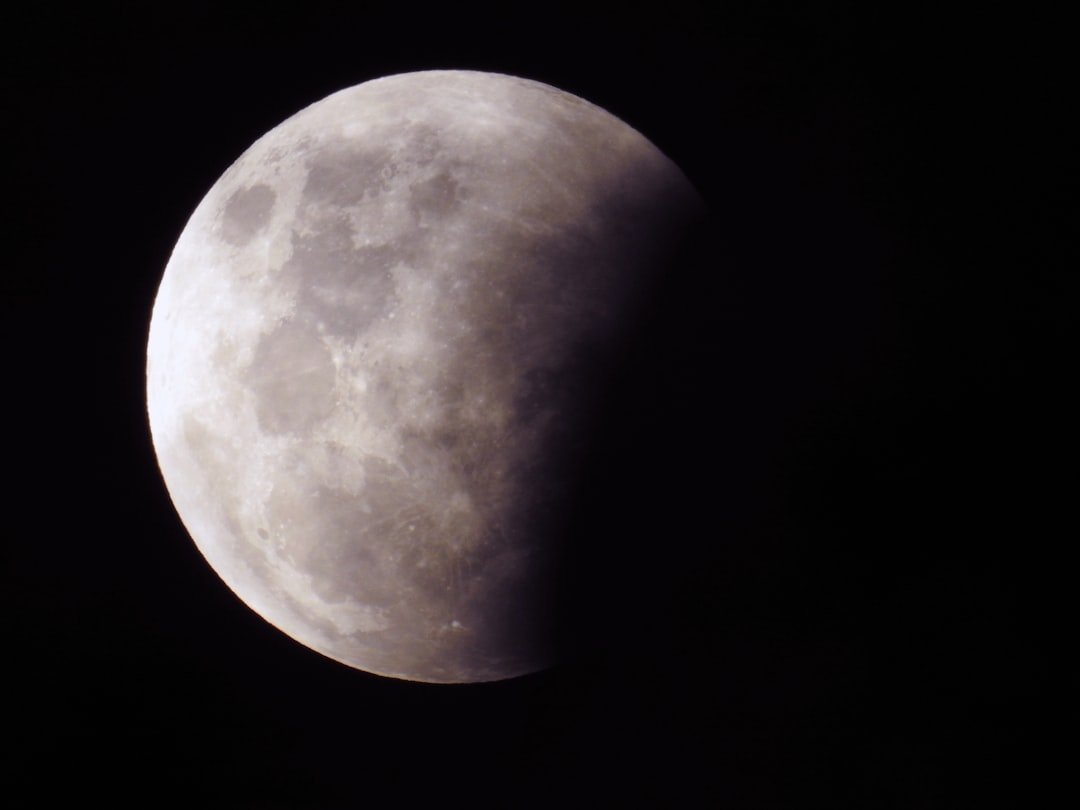
A Celestial Spectacle Spans Multiple Continents
Astronomy enthusiasts and imaging professionals will have a remarkable opportunity on March 3rd when a total lunar eclipse sweeps across significant portions of the globe. This astronomical event will be observable from diverse geographic regions, spanning from central Asia through Oceania and extending all the way to North America’s eastern seaboard, with additional visibility reaching into the western territories of South America.
Optimal Viewing and Photography Conditions
For photographers seeking to capture celestial phenomena, lunar eclipses present extraordinary compositional possibilities. The total phase occurs when Earth’s umbra completely engulfs the moon, creating the distinctive reddish hue caused by Rayleigh scattering—the same atmospheric effect responsible for vivid sunsets. This color palette, often referred to as the “blood moon,” provides striking visual contrast and dynamic opportunities for both telephoto and wide-angle astronomical photography.
The geographical breadth of this eclipse’s visibility path makes it particularly significant. Regions including central China, the Australian continent, and the eastern United States will experience optimal viewing conditions. This extensive coverage area means that photographers across multiple time zones can participate in documenting this natural phenomenon, regardless of their geographic location.
Technical Considerations for Eclipse Photography
Successful lunar eclipse documentation requires specific technical approaches. Photographers should prepare appropriate equipment, including sturdy tripod systems to eliminate vibration and ensure sharp focus during extended exposures. Telephoto lenses with focal lengths of 200mm or greater are recommended for capturing detailed surface features during totality, while wider focal lengths enable environmental context shots incorporating foreground elements against the eclipsed lunar disk.
Exposure settings merit careful planning. During totality, the moon’s apparent brightness decreases dramatically—often requiring ISO settings between 1600 and 3200 and shutter speeds of several seconds at moderate apertures (f/4 to f/8). Bracketing exposures is advisable, as the moon’s brightness varies throughout the eclipse phases.
Why This Eclipse Matters for Content Creators
The extensive visibility across populated regions distinguishes this event from many astronomical occurrences. Unlike solar eclipses with narrow totality paths, lunar eclipses are observable from approximately half the planet simultaneously, making this a accessible and significant event for photographers worldwide.
Professional photographers and content creators should recognize the substantial audience interest surrounding lunar eclipses. High-quality imagery of this event holds considerable commercial potential across editorial platforms, social media, and educational publications. The dramatic visual nature of totality—particularly the copper-red coloration—creates compelling images that resonate with diverse audiences.
Planning Your Coverage Strategy
Advance preparation proves essential for optimal results. Scout locations in advance, considering factors such as light pollution, weather patterns typical for your region during March, and potential foreground elements that might enhance compositional interest. Clear skies are paramount; checking astronomical forecasts during the days preceding the eclipse helps determine the most promising observation locations.
Whether you’re an experienced astrophotographer or exploring celestial photography for the first time, the March 3rd total lunar eclipse provides an exceptional opportunity to expand your portfolio and experience one of nature’s most visually magnificent astronomical events.