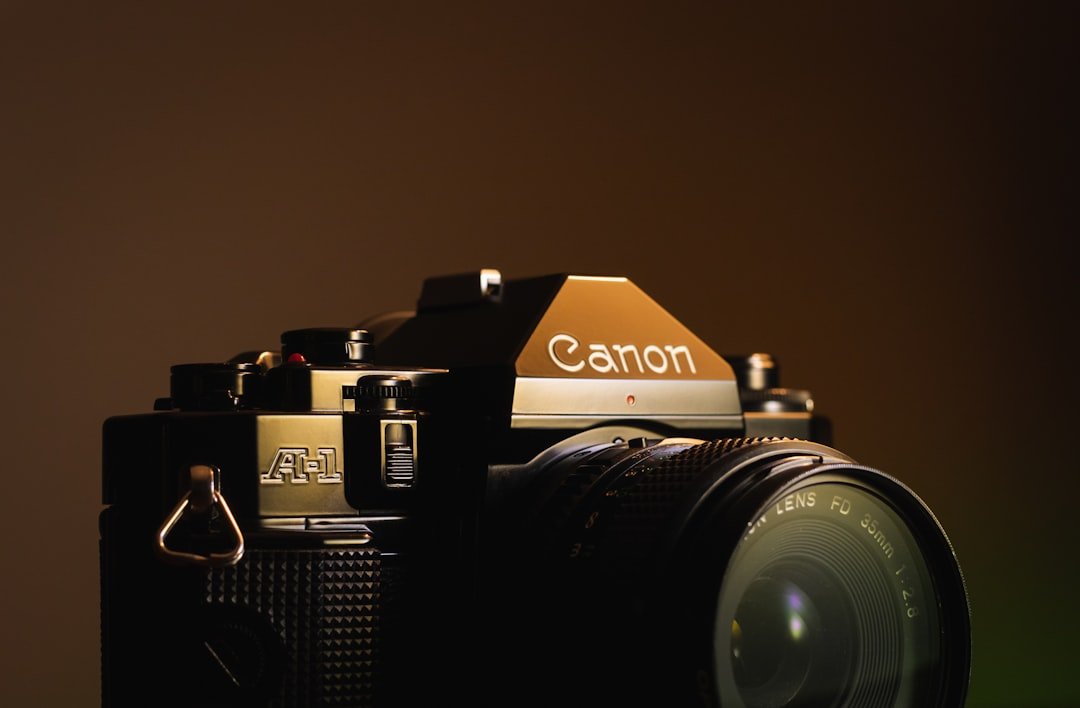
A Formidable Contender in the Full-Frame Arena
Canon has introduced the EOS R6 Mark III into an increasingly competitive full-frame mirrorless marketplace, positioning this iteration as a versatile tool designed for creators who refuse to choose between photographic excellence and cinematic capabilities. The camera presents a compelling proposition for hybrid professionals navigating the complex intersection of still imagery and motion picture production.
Sensor Performance and Resolution Strategy
At the heart of this system sits a 32-megapixel sensor that strikes a thoughtful balance within the current technological landscape. This resolution tier represents a strategic choice—offering sufficient pixel density for demanding editorial work and large-format output while maintaining manageable file sizes that won’t overwhelm storage infrastructure or processing workflows. For contemporary professionals juggling multiple concurrent projects, this megapixel sweet spot eliminates the compromise between detail capture and operational efficiency.
Video Capabilities That Push Boundaries
Perhaps the most ambitious specification involves the camera’s internal 7K open-gate recording functionality. This feature represents a significant leap for hybrid devices, providing videographers with extraordinary creative flexibility during post-production. The open-gate aspect particularly matters for professionals working across varied aspect ratios and exhibition formats without requiring external recorder dependencies.
The Real-World Implementation Challenge
However, ambitious specifications invariably introduce practical considerations. The combination of high-resolution stills capture alongside cutting-edge video recording creates genuine operational complexities. Media card write speeds become more critical, battery longevity demands closer attention, and thermal management during extended sessions requires realistic assessment. Professionals must thoughtfully evaluate whether their specific workflows genuinely benefit from these capabilities or whether they represent technical excess.
Navigating the Hybrid Landscape
The photography and cinematography industries have witnessed increasing convergence in recent years, with equipment manufacturers responding to creator demands for unified solutions. The EOS R6 Mark III exemplifies this trend—acknowledging that modern professionals frequently transition between still and motion assignments without equipment changes. This philosophy resonates particularly strongly with documentary photographers, commercial creatives, and journalistic practitioners who encounter unpredictable production scenarios.
Competitive Positioning
Within the current marketplace, Canon faces formidable competition from manufacturers like Sony, Nikon, and Panasonic, each offering compelling full-frame solutions with distinct philosophical approaches. The EOS R6 Mark III’s value proposition depends substantially on how potential users prioritize Canon’s autofocus algorithms, color science characteristics, and lens ecosystem depth against competitive alternatives.
Final Considerations
The EOS R6 Mark III succeeds as a thoughtfully engineered instrument for creators committed to hybrid production methodologies. Its 32-megapixel resolution and 7K internal recording capabilities address genuine professional requirements. Nevertheless, perspective matters—ambitious features demand proportionate commitment from users willing to navigate associated practical challenges. This camera rewards informed purchasing decisions from professionals whose requirements genuinely intersect with its particular strengths.