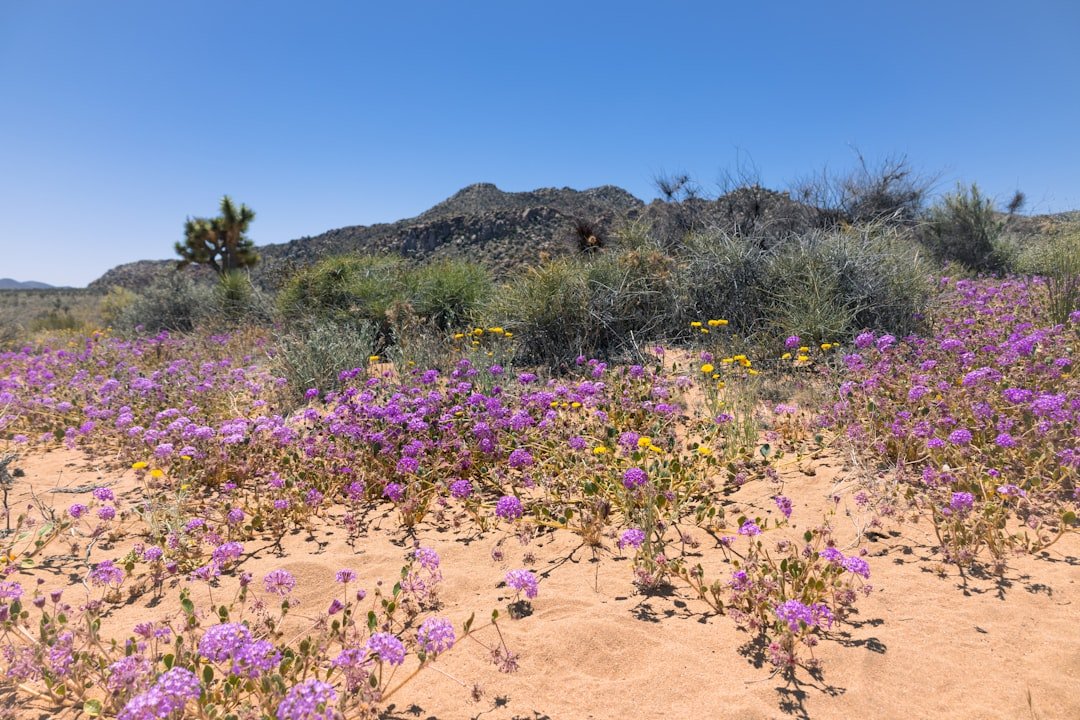
Death Valley’s Spectacular Floral Revival Demands Responsible Capture
After a decade-long drought in spectacular desert wildflower displays, Death Valley National Park has officially confirmed what nature enthusiasts have been anticipating: conditions are aligning for an exceptional superbloom event in 2026. Park management released this announcement in late February, marking the first time since 2016 that the iconic landscape will experience such dramatic botanical proliferation.
The catalyst behind this natural phenomenon traces back to extraordinary precipitation patterns throughout late 2025. The Furnace Creek Visitor Center documented approximately 2.4 inches of rainfall spanning November through early winter months—a figure that dwarfs the region’s typical precipitation during this period. This moisture penetrated deep into the arid soils, awakening dormant seed banks that had been lying in wait for precisely these hydrological conditions.
Understanding Superbloom Conditions
Superblooms represent rare convergences of meteorological and biological factors. Desert ecosystems have evolved to capitalize on infrequent rainfall events, with seed germination triggered by specific moisture thresholds and temperature fluctuations. The ten-year interval between significant blooms underscores how infrequently these conditions materialize in Death Valley’s unforgiving climate.
For photographers, this represents an extraordinary opportunity to document one of nature’s most visually compelling phenomena. However, with unprecedented accessibility to pristine natural areas comes substantial responsibility regarding environmental stewardship.
Responsible Photography in Fragile Ecosystems
As imaging professionals and enthusiasts descend upon Death Valley to capture these fleeting displays, the photography community faces critical ethical considerations. The delicate wildflower ecosystems that have taken months to establish remain vulnerable to trampling, soil compaction, and careless positioning.
Professional photographers should adhere to established park protocols: remain on designated pathways, avoid creating new routes through flowering fields, and resist the temptation to relocate specimens for compositionally advantageous framing. Telephoto lenses and strategic positioning allow compelling imagery without direct environmental impact. Mirrorless camera systems with advanced autofocus capabilities enable precise framing from safe distances, eliminating pressure to approach delicate subjects physically.
Best Practices for Ethical Field Work
Consider the timing of your visits to minimize foot traffic concentration. Early morning and late afternoon sessions often provide superior lighting while reducing crowds. Wide-angle compositions that capture the landscape’s expansive character prove equally compelling as macro studies, with substantially reduced disturbance potential.
Document responsibly, share ethically. The images we create carry implicit messaging about environmental values. High-impact photography from damaged areas inadvertently normalizes destructive practices for viewers who may attempt replication.
Death Valley’s superbloom presents a singular opportunity to showcase desert ecology’s resilience and beauty. By approaching this assignment with both technical excellence and environmental consciousness, the photography community can ensure these precious blooms inspire rather than suffer from their renewed prominence.