Understanding Light’s Critical Role in Photography
At its essence, photography is fundamentally a practice of capturing and manipulating light. Whether you’re working in a professional studio or documenting fleeting moments in natural environments, your success as a photographer hinges on comprehending how light behaves, travels, and interacts with your optical systems. This knowledge transforms the difference between average snapshots and compelling imagery that resonates with viewers.
How Light Functions Within Your Camera System
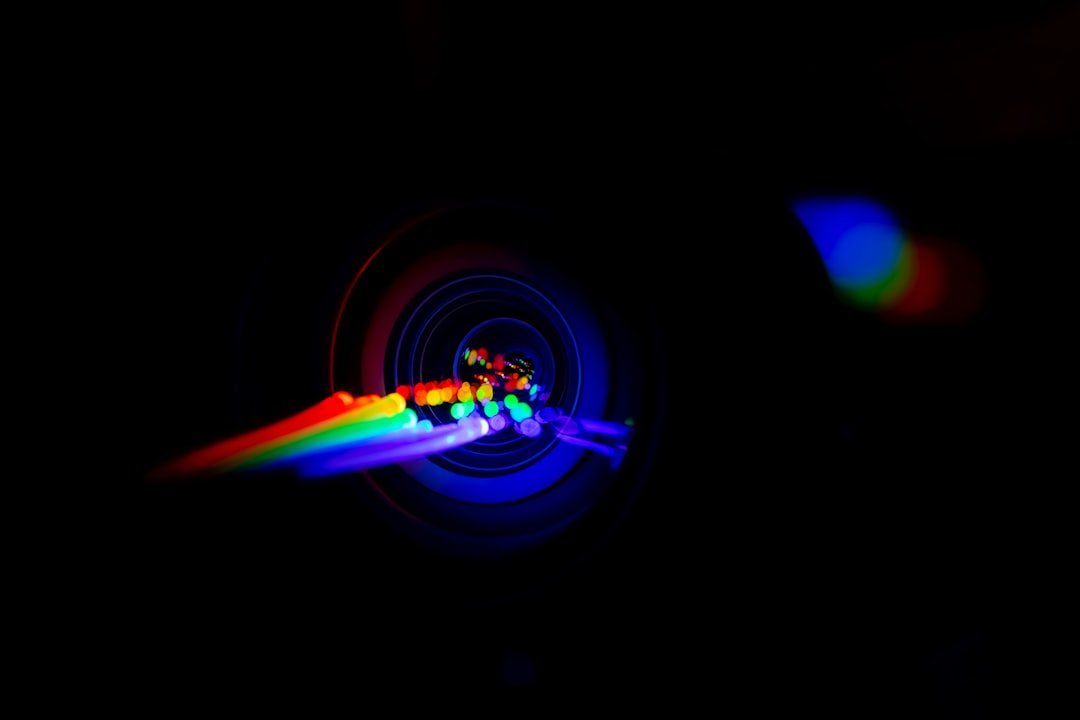
When light enters your lens, it undergoes a complex journey of refraction and convergence before reaching your sensor or film plane. Understanding this optical pathway is essential for contemporary photographers seeking to optimize their technical approach. The wavelengths of light bend as they pass through multiple lens elements, eventually converging to create the image you capture.
The relationship between your aperture, shutter speed, and sensor sensitivity directly determines how your camera records available light. These three variables—collectively known as the exposure triangle—work in concert to achieve proper exposure and creative control over your final image. Mastering this interplay separates technically proficient photographers from true imaging professionals.
Practical Applications for Better Results
By developing a deeper understanding of luminous qualities and directional properties, you gain the ability to predict how scenes will render before pressing the shutter. Hard, directional light creates dramatic shadows and contrast, while diffused, soft light produces gentle, forgiving tonal transitions. Each characteristic serves different creative intentions and subject matter.
Professional photographers invest considerable effort in studying how light interacts with various surfaces, materials, and textures. Reflective surfaces bounce light in predictable patterns, while absorptive materials minimize unwanted reflections. Understanding these interactions allows you to control your lighting environment intentionally, whether using natural sources or supplemental equipment.
Advancing Your Technical Knowledge
The more comprehensively you grasp luminous theory and practical optics, the more confidently you’ll navigate challenging lighting conditions. This foundational knowledge enables you to work efficiently in any environment—from controlled studio settings to unpredictable outdoor locations where you must adapt quickly to shifting atmospheric conditions.
Contemporary digital imaging technology provides immediate feedback through histograms and live preview capabilities, allowing you to refine your understanding of exposure in real-time. This technological advantage enables faster learning cycles compared to traditional film-based workflows.
Building Expertise Over Time
Developing sophisticated light awareness requires consistent observation and deliberate practice. Study how professional photographers solve lighting challenges in published work. Experiment with your equipment under varied conditions. Document your results and analyze what produced successful outcomes.
The investment in understanding optical principles and light behavior directly translates to improved image quality and greater creative control. This foundational knowledge becomes increasingly valuable as you progress toward more sophisticated assignments and artistic visions.