A Cube-Shaped Solution for Hybrid Film Photography
Film photography continues to experience a remarkable resurgence among creative professionals and enthusiasts alike. Yet many contemporary photographers find themselves navigating the complexities of maintaining dual workflows—simultaneously capturing images on analog film while managing digital files for immediate review and editing. A groundbreaking compact camera system designed for hotshoe mounting offers an elegant answer to this persistent challenge.
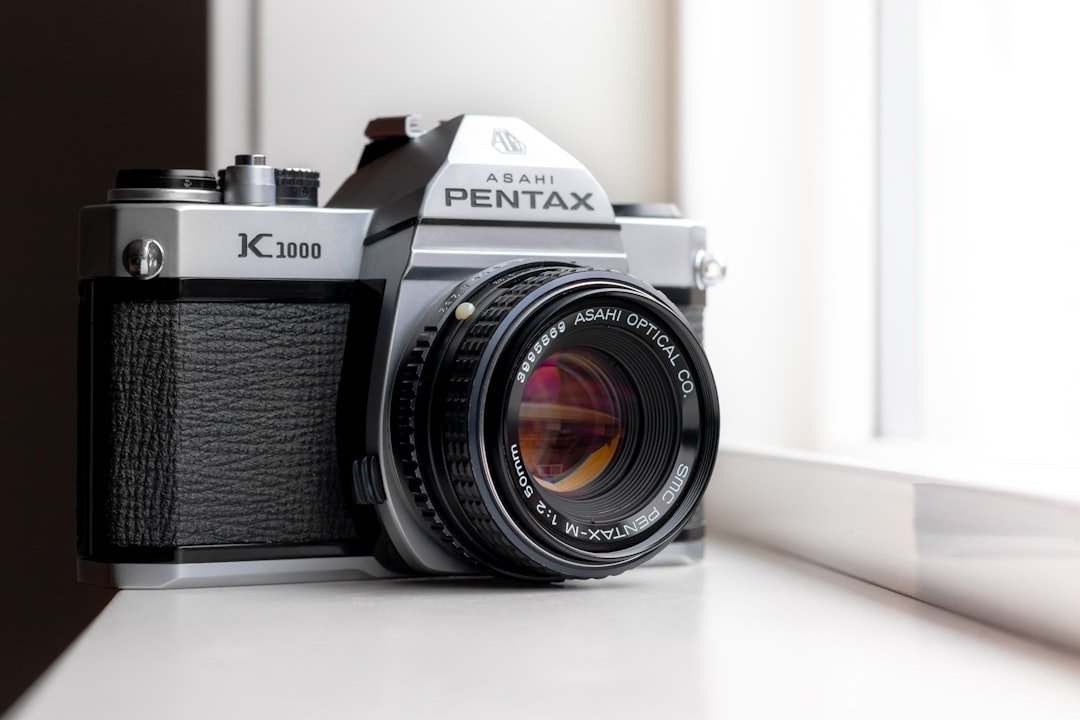
This ingeniously engineered cubic camera functions as a digital companion to traditional film photography, allowing shooters to maintain consistent documentation across both mediums simultaneously. Rather than serving as a replacement for film, this accessory works in tandem with existing camera systems, capturing digital versions of the same scenes being shot on film. The concept addresses a genuine pain point in modern analog practice: the need for immediate digital references without abandoning the aesthetic and technical benefits of shooting on film stock.
Technical Integration and Practical Applications
The hotshoe mounting design proves particularly clever from an engineering standpoint. By attaching directly to a camera’s accessory shoe, the device maintains perfect framing alignment with the primary lens, ensuring that both digital and analog captures depict virtually identical compositions. This synchronization eliminates the guesswork previously required when attempting to match digital proxy images with film negatives later during the scanning and digitization phase.
For professional photographers working in editorial, fashion, and fine art contexts, this capability streamlines post-production workflows considerably. Rather than relying on memory cards or shooting supplementary frames with a separate digital camera, operators can now generate authentic digital twins of their film exposures instantaneously. The resulting digital files serve multiple purposes: immediate client review, portfolio documentation, and precise references during archival scanning and restoration work.
Implications for Contemporary Photography Practice
The emergence of such hybrid tools reflects broader industry trends emphasizing workflow optimization and creative flexibility. Contemporary practitioners increasingly recognize that film and digital need not represent opposing philosophical camps but rather complementary technologies serving different aesthetic and practical purposes. Equipment developers are responding by designing accessories that facilitate rather than complicate multi-format shooting strategies.
This cube-shaped camera represents more than mere novelty; it embodies a pragmatic approach to contemporary image-making. Museums, archives, and conservation departments may find particular value in documenting film-based collections simultaneously in digital format. Educators instructing students in analog techniques can now provide immediate visual feedback without maintaining separate digital capture systems in darkroom environments.
As film photography solidifies its position as a legitimate creative choice rather than nostalgic curiosity, ancillary technologies like this hotshoe-mounted companion camera will likely proliferate. The photography industry continues evolving toward greater integration and flexibility, recognizing that today’s visual storytellers benefit from access to multiple capture methodologies rather than restrictive either-or frameworks.