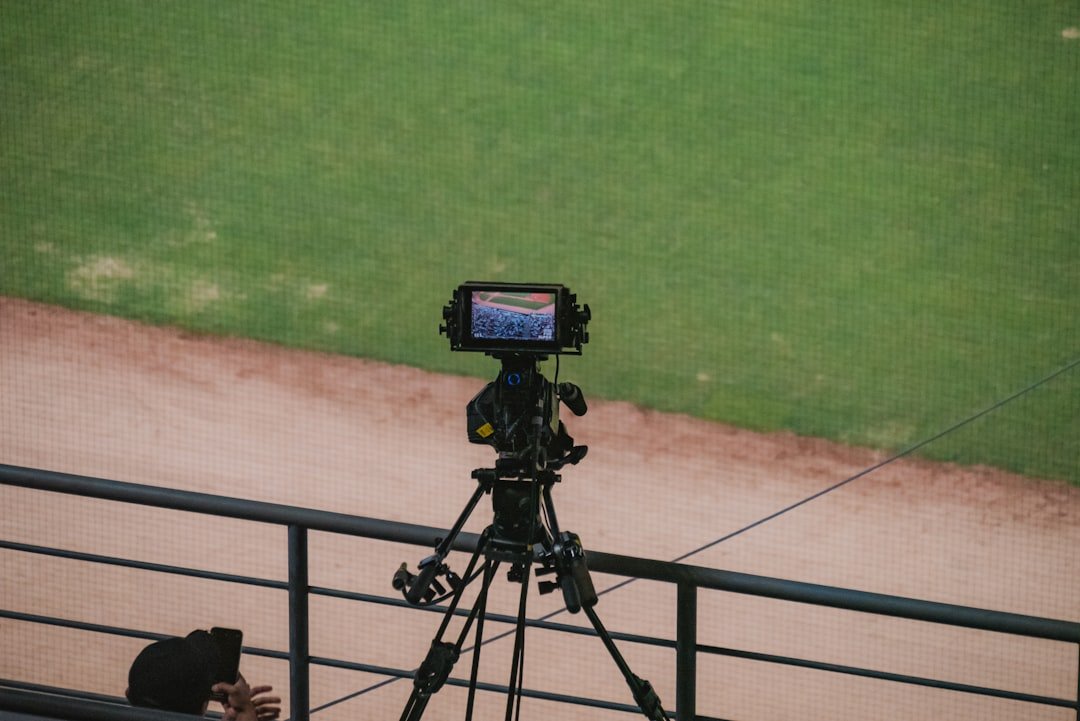
A Revolution in Multi-Camera Sports Coverage
The sports broadcasting landscape is experiencing a significant transformation, driven by an innovative approach that leverages arrays of affordable imaging devices rather than traditional single-operator camera setups. This emerging technology has garnered considerable praise from viewers, who consistently comment on the exceptional quality and fluidity of motion capture during live sporting events—often attributing the seamless cinematography to skilled camera operators, unaware that the footage originates from an automated or semi-automated system.
The Technology Behind the Innovation
The core concept involves deploying multiple entry-level or mid-range cameras in strategic positions around sports venues. Through sophisticated post-production compositing, real-time switching algorithms, and advanced image stabilization techniques, these collective captures are synthesized into broadcast-quality footage that rivals traditional live camera operation. The system leverages computational photography and machine learning to maintain consistent exposure, focus, and framing throughout competitions.
This technological advancement addresses persistent challenges within sports broadcasting, including the high operational costs associated with veteran camera operators, the physical limitations of single-camera coverage, and the unpredictability of live shooting. By distributing imaging responsibilities across multiple fixed and mobile sensors, production teams gain unprecedented flexibility in capturing diverse angles and perspectives simultaneously.
Industry Implications and Practical Applications
For broadcasters operating under tight budget constraints, this methodology presents substantial cost savings without sacrificing visual quality—a compelling value proposition in an era of declining television revenues and increased competition from streaming platforms. The system particularly benefits smaller markets, regional sports networks, and emerging leagues that previously couldn’t justify the expense of experienced broadcast camera teams.
Major sporting events have already begun implementing variations of this technology, with mixed results that predominantly favor adoption. The resulting footage demonstrates remarkable visual coherence, with smooth tracking shots and dynamic perspective shifts that viewers perceive as intentional creative choices rather than algorithmic decisions.
The Human Element and Future Considerations
While this development suggests a potential reduction in demand for broadcast camera operators, industry experts maintain a measured perspective. The technology currently requires significant technical oversight, post-production refinement, and creative decision-making that demands human expertise. Rather than complete replacement, the shift appears to indicate an evolution of roles, where operators transition from real-time capture specialists to technical supervisors and post-production coordinators.
Questions remain regarding the scalability of these systems for premium broadcasts, the technology’s performance in unpredictable live conditions, and viewer perception as the novelty diminishes. Additionally, union considerations and labor implications will likely shape adoption timelines across different broadcasting regions.
Looking Forward
As artificial intelligence and computational imaging technologies mature, the distinction between human-operated and automated broadcast cinematography will become increasingly blurred. The emergence of camera array systems represents not necessarily the end of professional sports broadcasting personnel, but rather a fundamental recalibration of how the industry balances technological capability with human creativity and oversight.