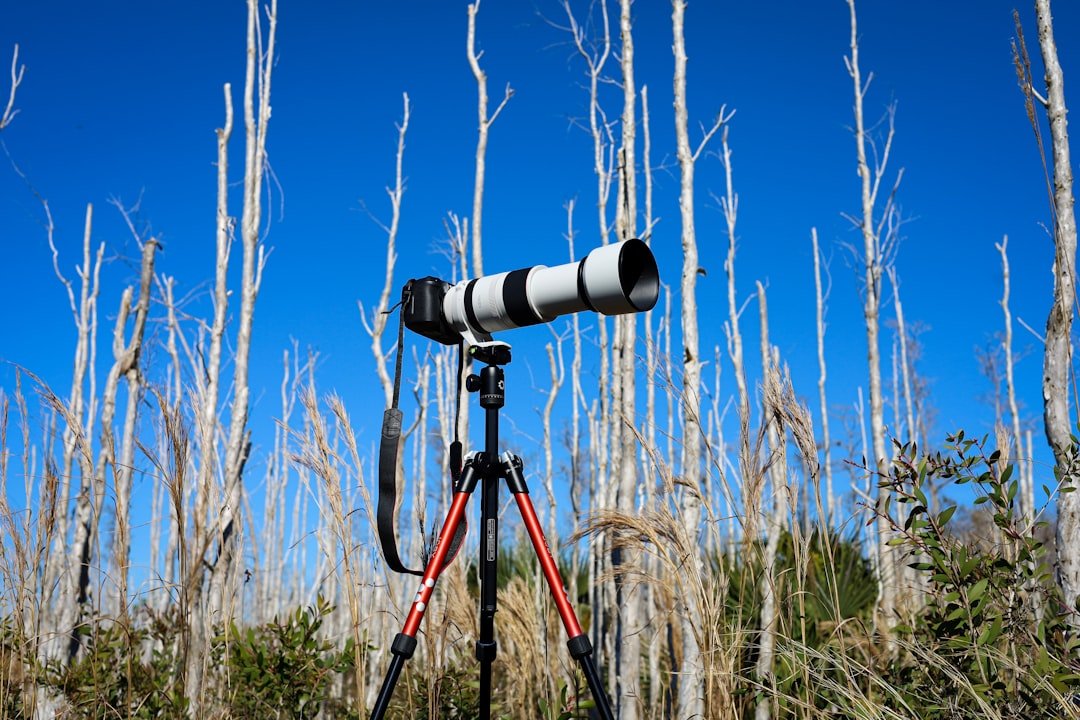
Finding Your Sweet Spot: The Versatility of 35mm Focal Length
The 35mm focal length occupies a distinctive niche within the photographer’s toolkit—one that often gets misunderstood and underutilized. This particular focal length strikes an elegant balance: expansive enough to encompass environmental context and spatial relationships, yet sufficiently compressed to maintain compositional discipline and visual clarity. Unlike more specialized focal lengths, 35mm demands a thoughtful approach and deeper understanding of its capabilities.
The Common Misconception
Many photographers struggle with 35mm lenses because they apply lens techniques more appropriate for different focal ranges. A significant portion of image-makers treat the 35mm as though it were a standard 50mm prime or even a portraiture-focused 85mm lens. This fundamental misunderstanding leads to compositions that feel awkward, unfocused, or compositionally muddled. The issue isn’t inherent to the lens itself—rather, it reflects a disconnect between the shooter’s intentions and the optical characteristics they’re actually working with.
Understanding Optical Character
The 35mm focal length presents a middle-ground perspective that requires deliberate compositional choices. It captures sufficient breadth to establish environmental context without the dramatic distortion often associated with wider angles. Simultaneously, it maintains enough subject compression to avoid the clinical, detached perspective that can result from ultra-wide optics. This balance is precisely what makes 35mm such a powerful documentary and editorial tool.
Compositional Strategies for Success
To effectively leverage a 35mm lens, photographers must shift their mental framework. Rather than using it as a compromise between two other focal lengths, embrace it as a distinct optical tool with unique storytelling capabilities. The 35mm excels at capturing intimate moments within broader environmental narratives—a distinctly different proposition from portrait-length compression or ultra-wide environmental documentation.
Successful 35mm photography typically involves intentional subject placement and thoughtful layering of foreground, midground, and background elements. The focal length’s inherent characteristics naturally encourage photographers to move closer to their subjects and engage more meaningfully with their environment, fostering a more immersive photographic practice.
Professional Applications
Within professional photography circles, the 35mm has experienced a notable resurgence. Street photographers, photojournalists, and fine-art practitioners increasingly recognize its advantages for capturing complex scenes with both detail and context. The focal length offers an optical perspective that approximates human vision more closely than either wider or tighter alternatives, creating images that feel naturally composed and psychologically engaging.
Moving Forward
Mastering any lens requires commitment to understanding its inherent strengths rather than forcing it into roles where other tools excel. The 35mm focal length rewards photographers who appreciate its specific optical properties and build their visual language accordingly. By abandoning the attempt to use it as a pseudo-50mm or elongated wide-angle, and instead embracing its unique position in the focal-length spectrum, photographers unlock its genuine potential and discover a remarkably versatile creative tool.