Legal Challenge Targets Controversial Airspace Limitations
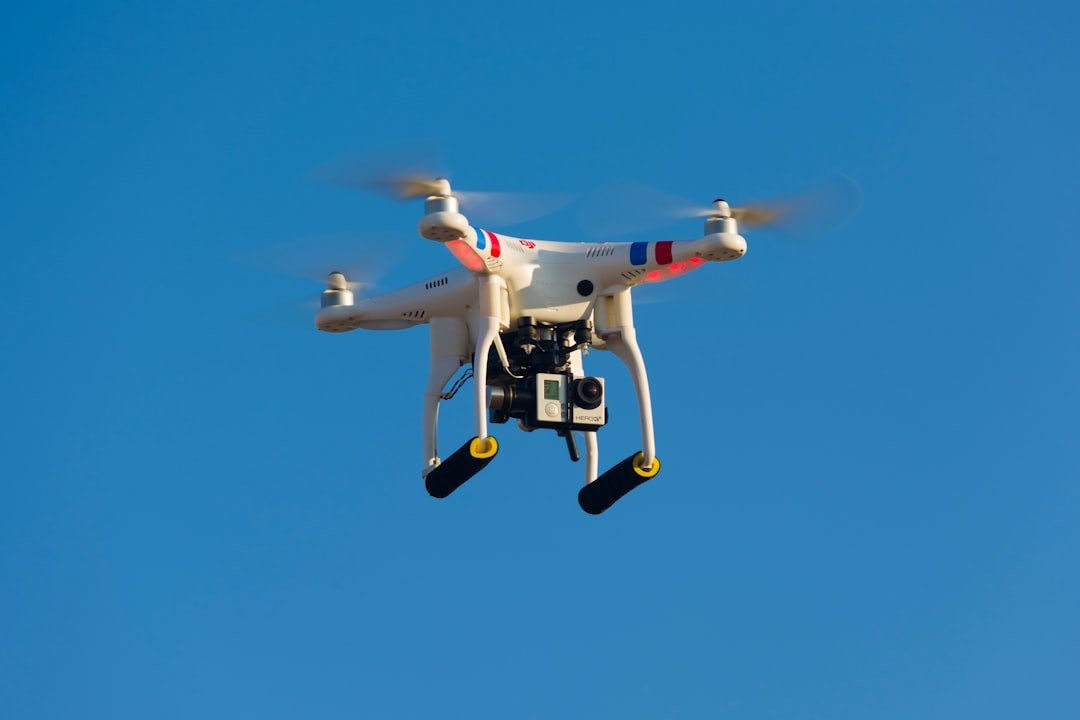
A photojournalist based in Minnesota has filed suit against the Federal Aviation Administration, contesting sweeping temporary flight restrictions that prohibit unmanned aerial vehicles from operating within a 3,000-foot perimeter surrounding Department of Homeland Security installations across the nation.
The legal action represents a significant flashpoint in the ongoing tension between regulatory oversight and professional aerial photography operations. The plaintiff argues that the current restrictions create compliance conditions that are practically impossible for legitimate commercial and editorial photographers to navigate, effectively shutting down an entire category of newswork that increasingly relies on drone technology.
The Regulatory Framework Challenge
Unmanned aerial systems have become indispensable tools for modern photojournalism, enabling visual storytellers to capture perspectives previously available only through helicopter or fixed-wing aircraft deployment. These alternatives remain prohibitively expensive for most news organizations, particularly as media budgets continue to contract. Drone technology democratized aerial photography while substantially reducing operational costs and environmental impact.
The FAA’s temporary flight restriction (TFR) affecting Department of Homeland Security assets creates a blanket prohibition that covers expansive geographic areas, leaving photographers uncertain about which locations are affected and how to obtain necessary authorizations. This ambiguity, the lawsuit contends, makes meaningful compliance virtually unattainable for professionals trying to operate within legal parameters.
Industry Implications
The photography and videography sectors have invested substantially in drone technology over the past decade. Professional-grade unmanned systems now represent significant capital investments, and many freelance and staff photographers have built business models around aerial imaging capabilities. Restrictive regulations threaten the viability of these operations.
The case highlights broader debates within the photography community about regulatory evolution. While safety and security concerns are legitimate, advocates argue that blanket restrictions fail to distinguish between authorized professional operators and potentially problematic activities. The FAA has certification pathways for commercial drone operations, yet these regulatory channels seemingly conflict with airspace restrictions that apply regardless of operator credentials.
Broader Context
This legal challenge arrives amid growing calls for regulatory modernization within the professional imaging community. Organizations representing photographers, cinematographers, and news organizations have pushed for clearer guidelines and more proportionate restrictions that account for documented operator qualifications.
The outcome of this lawsuit could reshape how federal agencies implement flight restrictions while balancing legitimate security interests with professional access needs. A ruling favoring the photojournalist might establish precedent requiring more specific, narrowly-tailored restrictions rather than expansive prohibitions affecting entire sectors.
Industry observers note that this case underscores the need for collaborative dialogue between regulatory bodies and the photography profession. As unmanned aerial technology continues advancing and becoming more prevalent in legitimate applications—from news coverage to environmental documentation—regulatory frameworks must evolve accordingly.
The resolution of this dispute will likely influence how federal agencies craft future airspace restrictions and whether professional photographers can maintain viable operational standards within the regulatory landscape.