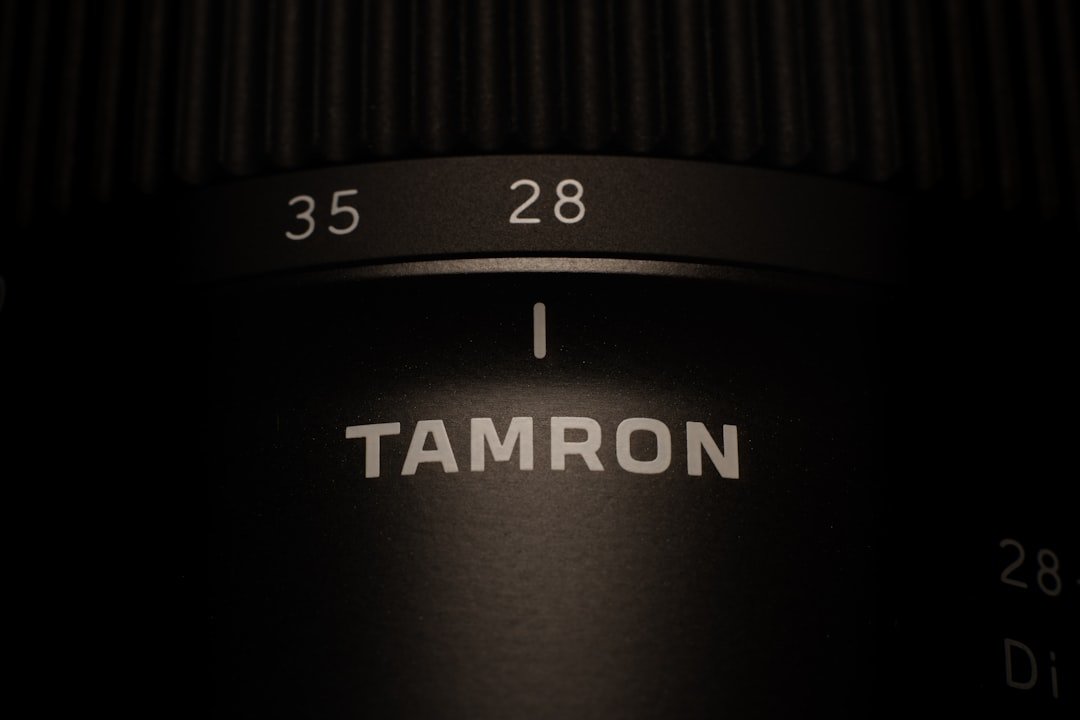
Why Tamron’s Lens Utility App Should Be the Industry Blueprint
While most lens manufacturers focus exclusively on optical engineering, Tamron has taken a refreshingly different approach by developing robust software solutions that fundamentally expand what modern lenses can accomplish. The company’s proprietary Lens Utility App represents a significant leap forward in bringing intelligent automation to the optical realm, yet surprisingly few competitors have followed suit.
Breaking New Ground in Lens Control
Tamron’s software ecosystem unlocks functionality that traditional mechanical lens design alone cannot achieve. Among its most innovative features is the capacity to execute focus adjustments dynamically during time-lapse sequences—a capability that previously required either complex mechanical rigs or post-production workarounds. This native focus-pulling during extended interval shooting opens creative possibilities for landscape photographers and cinematographers who want to craft sophisticated visual narratives without requiring specialized external equipment.
Beyond focus mechanics, the application grants users granular control over lens parameters that were previously locked into fixed configurations. This represents a fundamental shift in how optical tools can behave, transforming static hardware into adaptable instruments tailored to specific shooting scenarios.
The Competitive Landscape Gap
The absence of comparable ecosystem solutions from other major lens manufacturers is conspicuous. While Canon, Nikon, Sony, and other established players have invested considerably in camera body software, their corresponding lens-control platforms remain underdeveloped or nonexistent. This oversight leaves photographers essentially leaving performance potential on the table—capabilities that exist within the hardware but remain inaccessible without third-party intervention.
The disconnect between optical innovation and software accessibility reflects an outdated framework where lenses were treated as purely passive optical components rather than intelligent devices capable of contributing meaningfully to the creative process. Tamron’s approach challenges this assumption and demonstrates that users actively desire—and benefit from—deeper interaction with their optical tools.
What This Means for Working Professionals
For production-focused photographers and videographers, robust lens control software translates directly into workflow efficiency and creative flexibility. Automating focus transitions across extended time-lapse work reduces technical complexity and allows artists to concentrate on compositional and aesthetic decisions. The ability to program predictable focus behavior also creates reproducible results, critical for commercial work where consistency matters.
A Call for Industry Evolution
The camera industry stands at an inflection point where connected, software-enabled tools will increasingly define competitive advantage. Tamron’s initiative should serve as a catalyst—or perhaps a warning—that lens manufacturers ignoring the software dimension risk obsolescence as user expectations shift. The professionals wielding these tools are prepared to embrace technological sophistication if it meaningfully improves their creative output or operational efficiency.
Other manufacturers possess both the technical capacity and market influence to develop equivalent solutions. The question is whether competitive pressures and user demand will finally push them toward meaningful action. Until then, Tamron’s commitment to intelligent lens design stands as an outlier—and an indictment of the broader industry’s conservatism.