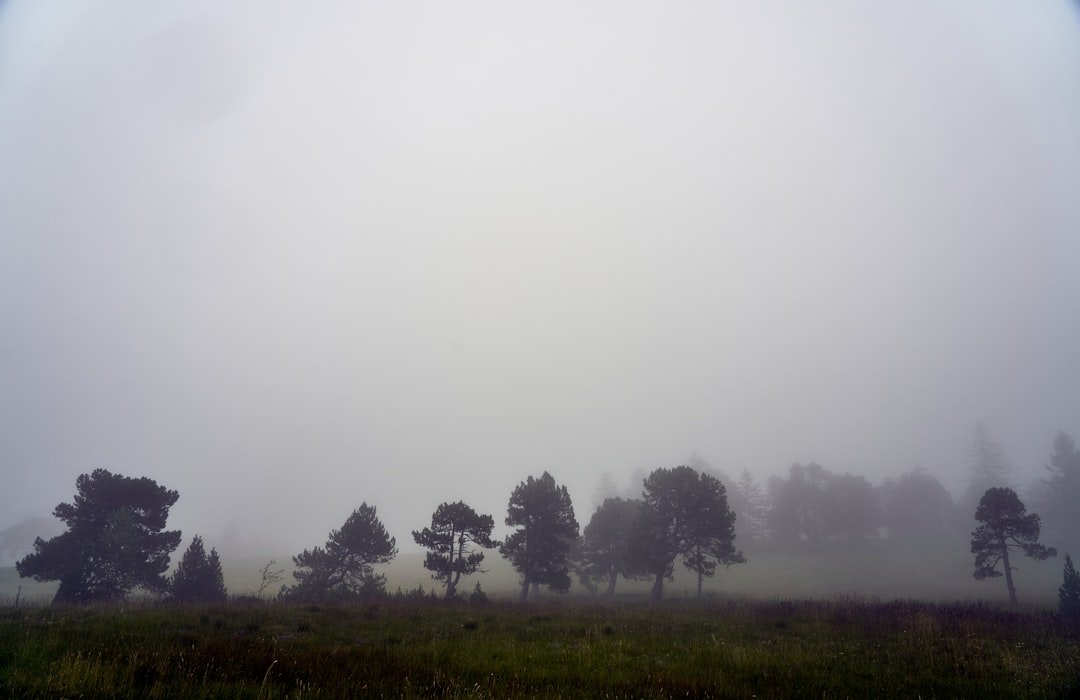
Embracing Atmospheric Conditions for Superior Imagery
Most photographers view meteorological challenges as obstacles to overcome. Inclement weather, atmospheric haze, and diminished natural light are traditionally considered impediments that warrant packing equipment away until conditions improve. However, a growing cadre of committed image-makers deliberately seek out these very circumstances, recognizing that adverse weather and low-light environments present exceptional creative opportunities.
The conventional wisdom in photography circles suggests optimal shooting conditions require bright, direct sunlight and clear skies. Yet this perspective overlooks the distinctive aesthetic qualities and technical advantages that emerge when working within constrained lighting situations and atmospheric interference.
The Artistic Merit of Challenging Conditions
Precipitation, dense fog banks, and cloud cover fundamentally alter how light interacts with a scene. Rather than harsh shadows and blown-out highlights characteristic of midday sun, overcast skies and moisture-laden air create diffused illumination that wraps around subjects with remarkable evenness. This naturally softened light source eliminates the need for supplementary diffusion equipment and produces flattering, dimensional results across portraiture, landscape, and commercial work.
Low-light environments demand technical mastery from practitioners. Navigating reduced exposure requires thoughtful decisions regarding ISO sensitivity, aperture selection, and shutter speed relationships. These constraints foster deeper technical understanding and often yield images with distinctive character impossible to achieve under conventional conditions.
Technical Considerations and Advantages
Working in atmospheric conditions necessitates sophisticated equipment handling and exposure metering techniques. Modern sensor technology has dramatically improved high-ISO performance, enabling photographers to maintain acceptable signal-to-noise ratios even when pushing sensitivity values. Additionally, contemporary autofocus systems excel at tracking subjects through challenging lighting situations.
Weather-sealed camera bodies and lens construction have become increasingly accessible at various price points, democratizing the ability to pursue serious work regardless of meteorological circumstances. Photographers no longer face the choice between equipment preservation and creative pursuit.
A Philosophical Shift
The deliberate pursuit of unfavorable shooting conditions represents a philosophical evolution within contemporary photography. Rather than awaiting perfect circumstances, accomplished practitioners recognize that limitations catalyze innovation. Fog obscures distracting background elements, precipitation adds texture and atmosphere to compositions, and dim light encourages intentional technical choices.
This approach aligns with broader artistic movements emphasizing process and intentionality over convenience. By embracing environmental challenges as integral to their practice, photographers develop distinctive visual languages that distinguish their work from imagery produced under standardized conditions.
The next time inclement weather threatens your shooting schedule, consider redirecting your energy toward exploring atmospheric possibilities rather than postponing your session. The most compelling imagery often emerges from conditions that initially appeared unsuitable.