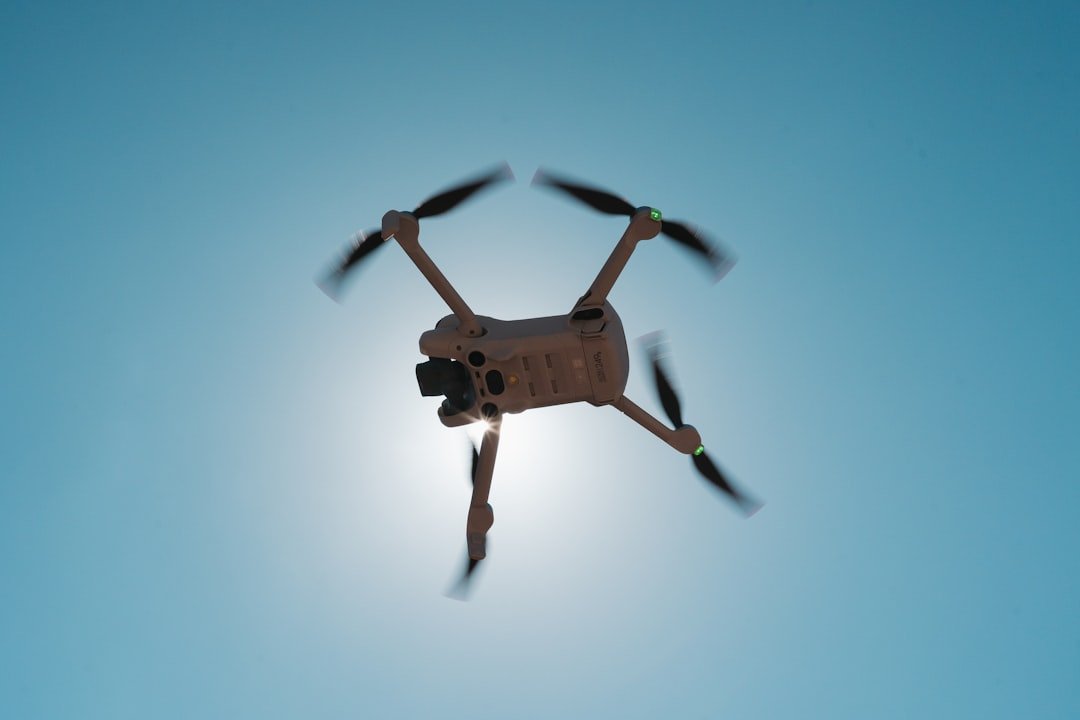
Aerial Imaging Giant Takes Legal Action Over Technology Claims
The unmanned aerial vehicle sector has entered a significant legal battle as DJI, the world’s leading drone manufacturer, has initiated litigation against Insta360, alleging systematic violations of intellectual property rights. The case centers on accusations that Insta360 and its parent organization, Arashi Vision, have infringed upon multiple proprietary technologies that form the backbone of modern drone operations and computational photography.
The Core Allegations
According to the lawsuit filings, DJI contends that Insta360 has violated six distinct patents spanning critical areas of unmanned aerial systems. The disputed intellectual property encompasses flight stabilization mechanisms, sophisticated image processing algorithms, and fundamental hardware architecture components. These technologies represent years of research and development investment in the competitive consumer and professional drone markets.
The flight control systems represent particularly significant innovations, as they govern how drones navigate through three-dimensional space while maintaining stability and responsiveness. Image processing patents typically protect the computational techniques that enhance video quality, enable real-time stabilization, and support advanced features like automated scene recognition and dynamic color grading—all essential for content creators relying on drone footage for commercial projects.
Industry Context and Implications
This legal confrontation occurs within an intensely competitive landscape where Chinese technology firms dominate global aerial imaging markets. Both companies have built substantial user bases among professional cinematographers, broadcast journalists, and enthusiast photographers who depend on reliable, innovative hardware and software solutions.
The dispute carries considerable weight for the broader imaging and technology sectors. Patent protection mechanisms encourage continued innovation by ensuring companies can protect investments in research and development. Conversely, overly restrictive enforcement can stifle competition and limit consumer choice—a delicate balance that intellectual property courts regularly navigate.
What This Means for Content Creators
For professionals working in visual media production, patent disputes between major manufacturers can influence product availability, pricing strategies, and feature development timelines. If DJI successfully demonstrates infringement, courts may require modifications to Insta360’s product lineup, potentially affecting users who have invested in their ecosystem.
The case also raises broader questions about technology transfer and innovation cycles within the drone manufacturing industry. When companies develop similar solutions independently versus when they build upon competitors’ patented technologies remains a complex question that legal teams and technical experts will likely debate extensively throughout litigation proceedings.
Looking Ahead
As this case progresses through the legal system, the imaging technology community will be watching closely. Patent disputes of this magnitude typically take considerable time to resolve and may involve appeals that extend the process across multiple years. The outcome could establish important precedents for how intellectual property rights are enforced within the aerial imaging sector.
Both companies maintain significant influence over consumer preferences and professional standards in drone technology. The resolution of this dispute will likely shape competitive dynamics, technology licensing arrangements, and investment strategies throughout the unmanned systems industry for years to come.