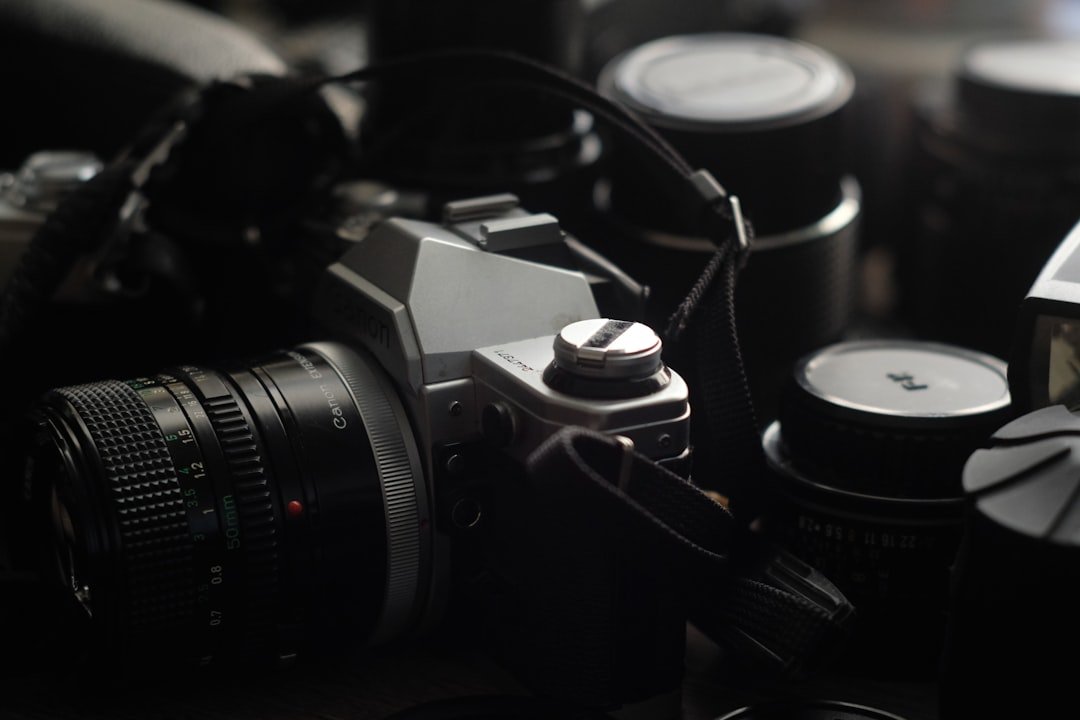
March 2026 will undoubtedly be remembered as a transformative period across the imaging industry, with seismic shifts reverberating through multiple sectors simultaneously. The convergence of technological pressures, legal developments, and market reshuffling created an unprecedented landscape that redefined expectations for both manufacturers and enthusiasts alike.
Industry-Wide Disruption Takes Center Stage
The month witnessed unprecedented challenges stemming from supply chain constraints directly attributable to artificial intelligence infrastructure demands. As computational resources became increasingly scarce, semiconductor allocation across various industries tightened considerably, forcing camera manufacturers to reassess production timelines and component sourcing strategies. This bottleneck represented a stark reminder of how interconnected modern technology sectors have become.
Legal Landscape Reshapes AI Copyright Discourse
Perhaps equally significant was the Supreme Court’s decision to refrain from intervening in a landmark intellectual property dispute involving artificial intelligence and creative work. This judicial restraint left critical questions regarding machine learning training datasets and copyright protections unresolved at the highest level, leaving photographers and content creators in a state of continued uncertainty about their rights and protections in an AI-driven era.
The World’s Premier Camera Exhibition Delivers Modest Hardware Announcements
In what many industry observers characterized as surprising, the globe’s largest camera trade exposition yielded minimal new camera body introductions. Rather than the anticipated wave of hardware innovations, the event reflected a market more focused on refinement than revolution—a telling indicator of manufacturers prioritizing supply stability over aggressive new product launches during a period of constrained resources.
Kodak Reimagines Its Legendary Film Catalog
Adding another layer of historical significance, the legendary film manufacturer undertook a comprehensive rebranding initiative affecting its most iconic emulsion lines. This nomenclature shift represented more than cosmetic updates; it signaled the company’s evolving positioning within an increasingly digital-dominant market while simultaneously honoring its analog heritage.
What This Means Moving Forward
The convergence of these developments painted a complex portrait of an industry navigating unprecedented challenges while simultaneously adapting to technological and legal uncertainties. Photographers, engineers, and business leaders found themselves operating within a framework fundamentally different from previous years, requiring strategic flexibility and innovative problem-solving.
For content creators, the legal ambiguity surrounding AI copyright protections remains particularly consequential, potentially affecting how intellectual property is managed, protected, and monetized going forward. Meanwhile, hardware manufacturers grappled with the reality that traditional product cycle acceleration might prove impossible given semiconductor availability constraints.
The intersection of supply chain limitations, judicial restraint on artificial intelligence matters, subdued hardware innovation, and corporate rebranding efforts collectively underscore a transitional moment for the photographic industry. Rather than representing decline, these shifts likely indicate a maturing market recalibrating priorities and reassessing what innovation means in contemporary contexts.
March 2026 ultimately demonstrated that the photography world’s evolution extends far beyond sensor megapixels and autofocus algorithms. Regulatory frameworks, supply chain resilience, intellectual property protections, and brand strategy now occupy equally prominent positions in determining industry trajectory. Understanding these broader contextual elements becomes essential for anyone invested in the future of imaging technology and creative expression.