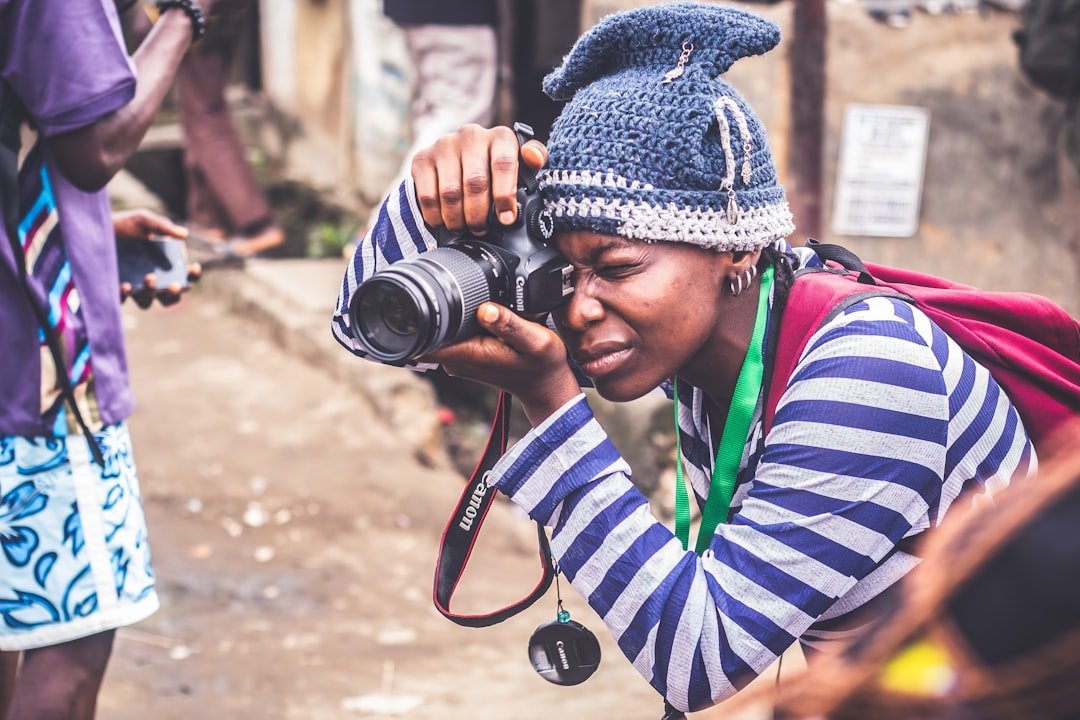
The Authenticity Question Reshaping Travel Photography
The photography industry faces a mounting credibility challenge as the boundary between documentary storytelling and artistic manipulation becomes increasingly blurred. In travel and humanitarian photography specifically, practitioners are constructing narratives that present carefully orchestrated scenes as candid documentation—a practice that fundamentally undermines viewer trust and professional integrity.
This ethical dilemma extends beyond simple technical manipulation. When photographers stage compositions and present them within documentary frameworks, they’re engaging in a form of deception that cannot be dismissed as creative interpretation. The distinction matters profoundly: documentary work carries an implicit contract with audiences, promising visual evidence of reality rather than curated performance.
The Credibility Crisis in Contemporary Imaging
The medium of photography has long struggled with questions of authenticity, particularly as digital post-processing capabilities have expanded exponentially. However, the current visibility of orchestrated travel and humanitarian imagery coincides with a broader erosion of media confidence. Audiences increasingly question the veracity of visual content across all platforms, and photographers bear responsibility for either reinforcing or restoring that trust.
Travel photography occupies a particularly sensitive position within this landscape. These images circulate globally, shape perceptions of cultures and communities, and influence how privileged audiences understand vulnerable populations. When such work employs staged compositions disguised as authentic documentation, the consequences extend far beyond individual reputation damage.
Why the Industry Avoids This Conversation
Despite widespread awareness of these practices, the photography community remains largely silent. This reluctance stems from several factors: the financial incentives that reward compelling imagery regardless of methodology, the subjective difficulty in defining where documentation ends and arrangement begins, and an institutional hesitation to police peer conduct.
Additionally, many successful travel photographers have built careers on images that occupy murky ethical territory. Acknowledging the problem requires confronting uncomfortable questions about industry standards and individual practices—conversations that threaten established commercial models and professional reputations.
Rebuilding Trust Through Transparent Practice
Moving forward, the photography profession must establish clearer ethical frameworks that distinguish between legitimate compositional choices and deceptive staging. This requires honest labeling of work: documentary photography should carry explicit documentation of how images were created, while artistic or interpretive work should be properly categorized and framed accordingly.
Professional organizations can strengthen standards by requiring disclosure of significant post-processing, staging, or subject direction. Individual photographers can rebuild credibility by being transparent about their methodologies and the limitations of their perspectives.
The credibility of visual journalism depends on distinguishing authentic observation from constructed narrative. As the medium faces unprecedented scrutiny, photographers choosing integrity over commercially convenient shortcuts will ultimately serve both their audiences and the profession’s long-term viability.