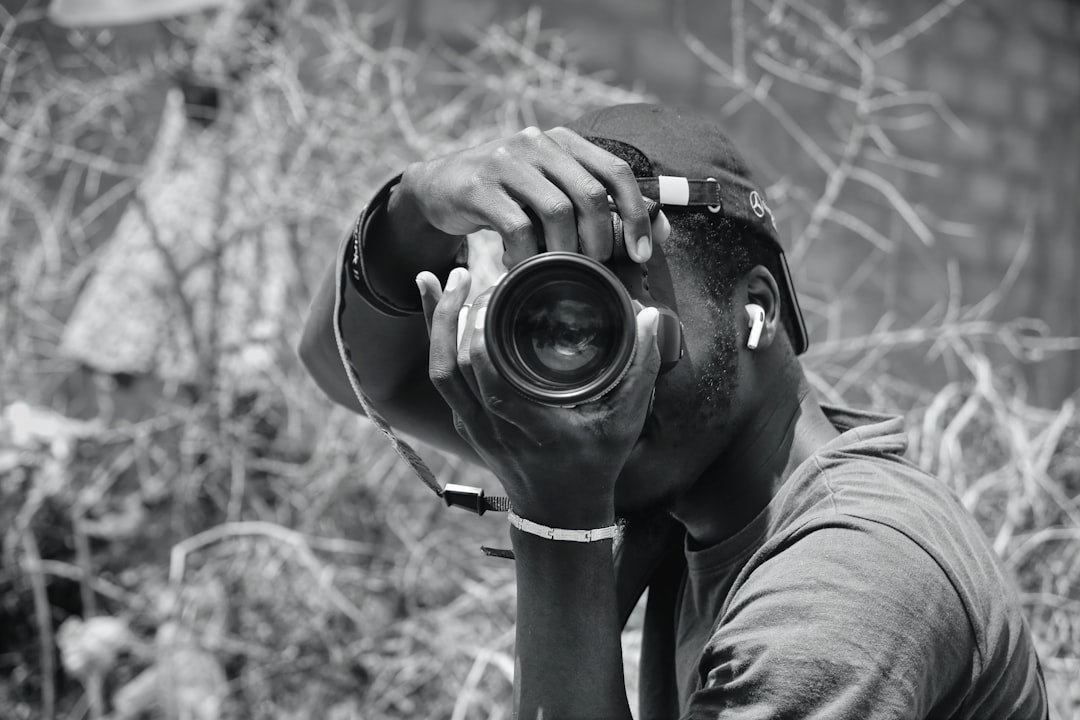
The Myth of Settings-Based Photography Excellence
Many aspiring photographers invest countless hours memorizing exposure modes, aperture ranges, and ISO thresholds, believing that technical proficiency represents the gateway to professional-quality results. However, this approach fundamentally misunderstands what separates compelling imagery from technically correct but visually forgettable photographs.
The photography industry has long perpetuated a narrative that controls your camera equipment through mastery of its menu systems will automatically translate into better photographs. This assumption overlooks a critical distinction: understanding your gear’s capabilities differs substantially from understanding how to visualize, compose, and execute a meaningful visual story.
The Three Pillars Photography Education Often Overlooks
Visual composition represents the foundation of impactful photography. This encompasses rule-of-thirds application, leading lines, spatial relationships, and the psychological impact of subject placement within the frame. These principles transcend camera model, sensor technology, or firmware version.
Observational skill determines whether you recognize a compelling moment before it fully develops. Professional photographers develop an intuitive sense for light quality, subject positioning, and environmental context that allows them to anticipate powerful shots. This perceptual ability develops through deliberate practice and visual study, not through reviewing aperture-priority algorithms.
Pre-visualization capacity distinguishes photographers who capture what they imagined from those who simply document what appears in their viewfinder. The ability to conceive a final image concept—including emotional tone, visual hierarchy, and storytelling elements—before pressing the shutter represents genuine creative mastery.
Why Technical Knowledge Serves, Rather Than Defines
This perspective doesn’t diminish the importance of understanding camera mechanics. Rather, it positions technical knowledge as a supportive tool rather than the foundation itself. When you encounter challenging lighting conditions, understanding exposure compensation or manual mode allows you to realize your creative vision. Scene modes and automated exposure systems, while convenient, often conflict with intentional artistic choices.
The distinction resembles the difference between learning grammar rules and becoming a skilled writer. Grammar proficiency enables effective communication, but exceptional writing emerges from deep thinking, compelling narratives, and refined expression. Similarly, camera competency enables photographic vision, but exceptional imagery emerges from artistic development.
Redirecting Your Learning Strategy
Rather than dedicating primary study time to mastering your camera’s feature set, photography professionals recommend allocating effort toward developing your visual language. Study photojournalism, fine art photography, and visual design principles. Analyze what makes images resonate emotionally. Practice composition extensively with whatever camera you currently own, as limitations often force creative problem-solving that accelerates skill development.
This reframing doesn’t require abandoning technical education entirely. Instead, pursue camera knowledge strategically—learning features specifically when they serve documented creative goals rather than accumulating capability knowledge speculatively.
The most celebrated photographers across commercial, editorial, and fine art domains typically attribute their success to disciplined observation, refined aesthetic judgment, and conceptual clarity—attributes entirely independent of whether they utilize exposure compensation or auto-ISO functionality.