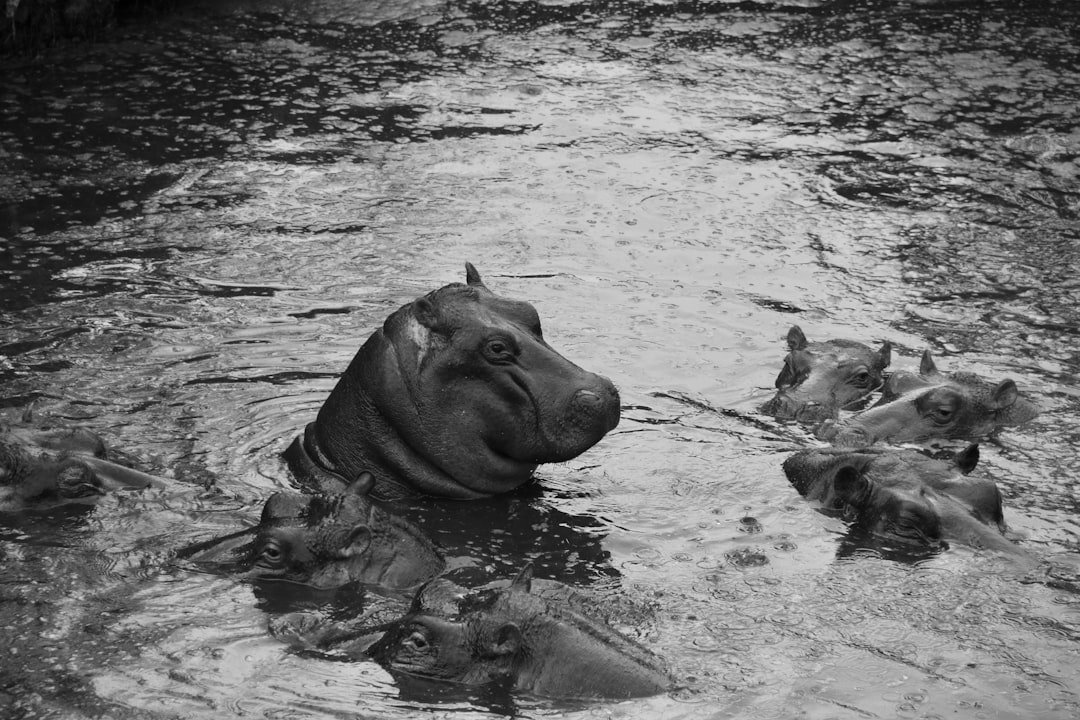
Unguarded Lens Documents Wildlife Migration Route
A dedicated wildlife photographer deployed an unattended camera trap system along a critical water crossing in Kenya’s renowned Maasai Mara ecosystem, yielding an extraordinary photographic archive spanning twelve months. The strategic placement of this automated imaging device at the remote riverine location proved instrumental in documenting the behavioral patterns and movement corridors of the reserve’s most elusive inhabitants.
Wildlife photography has long relied on patience and positioning, but the advent of remote sensing technology has revolutionized how photographers capture authentic animal behavior without human interference. By installing a motion-activated camera system at this vital crossing point, the photographer essentially created an unbiased observation post—a methodology increasingly favored by both conservation-minded artists and scientific researchers seeking genuine wildlife documentation.
Technical Approach and Equipment Strategy
The deployment of camera traps represents a significant evolution in nature photography methodology. These autonomous imaging systems, equipped with passive infrared sensors and high-speed shutters, can operate continuously in challenging environmental conditions. The photographer’s decision to position equipment at a water crossing—where wildlife congregates predictably—demonstrates sophisticated understanding of animal ecology and photographic opportunity optimization.
Remote river crossings serve as natural bottlenecks in wildlife movement patterns, making them ideal locations for comprehensive documentation. The twelve-month observation window allowed the photographer to capture animals across seasonal variations, behavioral transitions, and diverse lighting conditions that would be nearly impossible to achieve through traditional field work alone.
Discovery of Previously Undocumented Movement Patterns
The resulting image collection revealed previously unknown animal migration routes and traffic patterns through the landscape. These findings have implications extending beyond aesthetic photography, contributing valuable data to conservation organizations and wildlife management professionals monitoring ecosystem health in the Maasai Mara.
The use of passive monitoring devices in protected areas offers unique advantages: animals exhibit natural behaviors uninfluenced by human presence, photography occurs during optimal wildlife activity periods regardless of photographer availability, and data collection continues systematically without fatigue or environmental barriers limiting human observers. This technological approach has democratized access to wildlife documentation, enabling singular practitioners to accumulate datasets comparable to extensive research expeditions.
Impact on Wildlife Photography Practice
This project exemplifies the intersection of traditional wildlife photography craft with modern technological innovation. The photographer’s achievement demonstrates that meaningful animal documentation no longer requires constant field presence or chance encounters. Instead, strategic equipment placement combined with extended observation periods yields comprehensive visual narratives about animal behavior and habitat utilization.
Professional photographers increasingly recognize camera trap methodology as essential to their technical arsenal, particularly those focused on conservation-oriented work or scientific collaboration. The images produced through such systems provide authentic visual evidence of animal presence and activity patterns, valuable for both editorial and research applications.
As environmental monitoring becomes increasingly critical, photographers wielding these unattended systems contribute substantially to our understanding of wildlife movements and ecosystem dynamics. This particular study from the Maasai Mara adds another chapter to the growing body of evidence that thoughtful technological application can enhance nature photography’s scientific value while producing compelling visual narratives.