The Rise of Purpose-Built Compact Systems
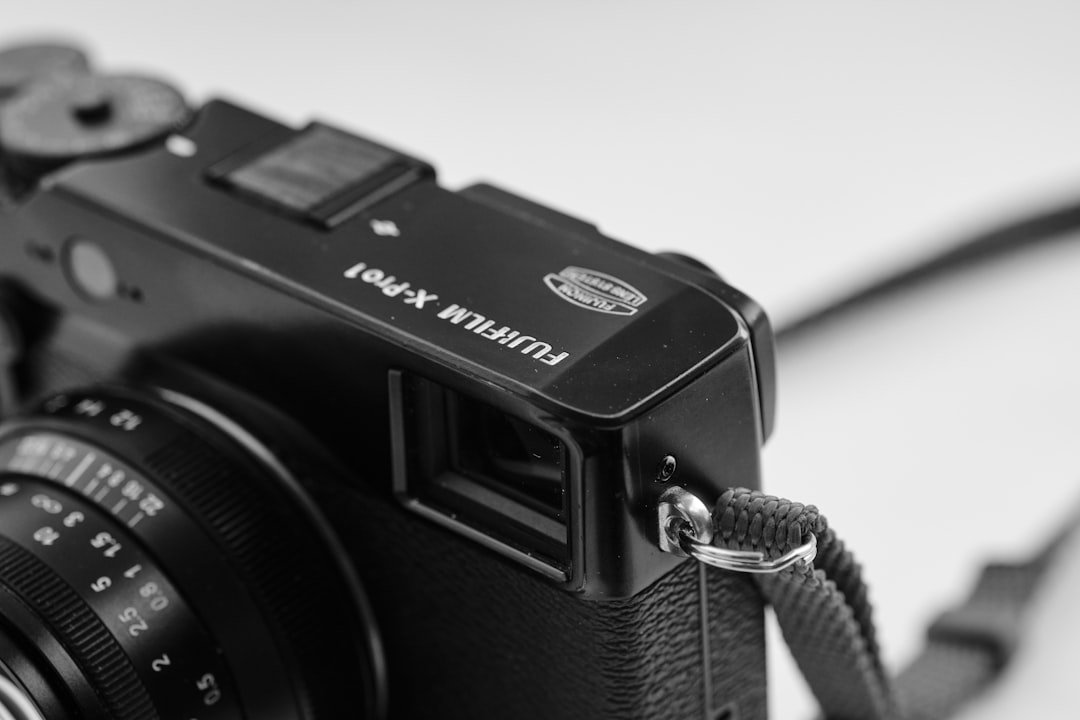
The contemporary camera market has witnessed an unprecedented surge in fixed-lens compact cameras that deliver professional-grade image quality without the complexity of interchangeable lens ecosystems. As photographers navigate an increasingly crowded marketplace featuring diverse price architectures and optical configurations, the Fujifilm X100VI has emerged as a compelling focal point in this evolving landscape.
Why This Camera Commands Attention
The X100VI represents a refinement of Fujifilm’s renowned X100 lineage, a series that has consistently influenced how manufacturers approach the premium compact segment. This particular iteration addresses the practical demands of contemporary street photographers while maintaining the optical and ergonomic philosophy that defined its predecessors.
Technical Capabilities for Field Work
Built around a fixed 23mm equivalent lens—a focal length historically favored by documentary and street photographers—the X100VI balances environmental context with subject isolation. The camera’s sensor architecture and processing capabilities enable photographers to capture nuanced tonal gradations and color rendition, characteristics particularly valuable when working in variable urban lighting conditions.
The mechanical shutter integration provides tactile feedback that resonates with photographers who value deliberate exposure control. Additionally, the hybrid viewfinder system offers flexibility between optical and electronic perspectives, allowing shooters to adapt their compositional approach based on real-time scene demands.
Practical Considerations for Urban Photography
Street photography demands equipment that functions reliably across unpredictable environmental conditions while remaining inconspicuous enough to capture authentic moments. The X100VI’s compact profile and minimal visual footprint address these operational realities, allowing photographers to work with greater discretion than larger digital SLR or mirrorless systems would permit.
The camera’s autofocus performance in dynamic urban settings represents a substantial engineering achievement, particularly when tracking subjects across varying depths within complex compositions. This capability proves essential when capturing spontaneous moments where subject positioning remains unpredictable.
Integration Within Modern Workflows
Contemporary professional photographers require seamless connectivity between capture devices and post-production environments. The X100VI’s compatibility with Fujifilm’s film simulation presets enables photographers to establish consistent aesthetic signatures across projects, reducing post-processing overhead while maintaining distinctive visual coherence.
Market Positioning and Accessibility
While premium compact cameras occupy a specific price territory, the X100VI delivers tangible technical advantages that justify its investment for serious practitioners. The camera addresses a genuine gap between smartphone capabilities and full-frame interchangeable lens systems, offering a sophisticated middle path for photographers prioritizing portability without sacrificing image quality.
The Broader Competitive Context
The compact camera resurgence reflects broader industry recognition that versatility and convenience sometimes outweigh absolute technical specifications. The X100VI succeeds because it acknowledges this philosophy while refusing to compromise on fundamental image-making capabilities, creating a tool that serves both casual enthusiasts and experienced professionals.
For photographers dedicated to street work, environmental portraiture, or travel documentation, the X100VI merits serious consideration within any equipment evaluation process. Its balanced approach to design, performance, and usability positions it as a noteworthy standard-bearer in today’s evolving camera marketplace.