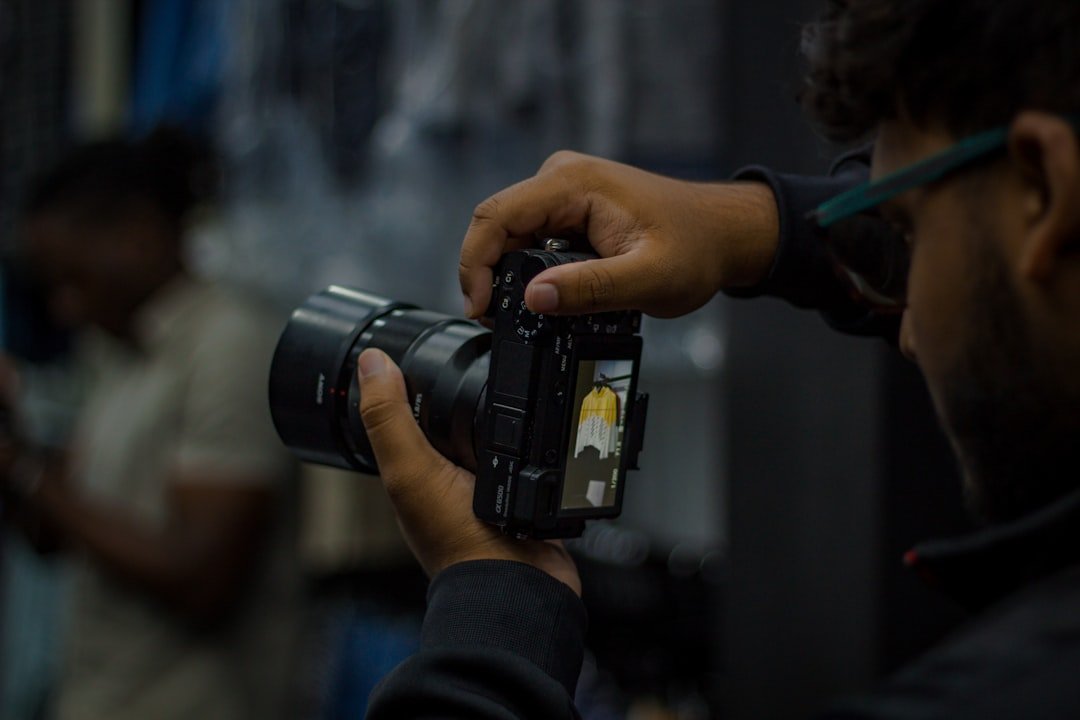
Beyond the Unboxing: Building Your Photography Foundation
The excitement of acquiring a new imaging device—whether it’s a Canon EOS R50, Nikon Z50 II, Sony a6400, or the highly coveted Fujifilm X-T50 that demanded months of patient anticipation—inevitably gives way to a familiar question: what comes next? After the initial battery charge, those experimental shots of household pets, and the inevitable gear display on your kitchen counter, many photographers find themselves at a crossroads, uncertain how to transform their new equipment into a genuine extension of their creative vision.
This transitional period represents a critical opportunity. The first month with a new camera body isn’t merely about learning button locations or menu navigation—it’s about establishing a systematic approach to technical competency that will serve your photographic journey for years ahead. Rather than haphazardly exploring features when inspiration strikes, a structured learning methodology accelerates skill acquisition and builds genuine confidence with your equipment.
The Strategic Learning Approach
Professional photographers and educators consistently emphasize that deliberate practice outperforms casual experimentation. Dedicating focused time during your initial 30 days to specific technical domains—exposure fundamentals, autofocus systems, white balance calibration, and native lens characteristics—establishes a robust technical foundation. Each modern mirrorless platform, from Canon’s RF-mount ecosystem to Sony’s E-mount architecture, offers distinct operational philosophies and ergonomic designs that warrant individualized attention.
The contemporary digital imaging landscape has democratized professional-grade capabilities across multiple manufacturers. Entry-level mirrorless cameras now deliver computational photography features, sophisticated autofocus algorithms, and video capabilities that previously required investment in professional-tier equipment. Understanding how your specific device implements these technologies—rather than simply activating features—distinguishes competent operators from confident creators.
Practical Implementation Strategy
Your initial weeks should progress methodically through operational layers. Begin with ergonomics and physical familiarity—how the device feels in your hands, where essential controls reside, and how your shooting style influences your grip and stability. Advance toward fundamental exposure principles within your camera’s ecosystem, exploring how aperture, shutter velocity, and sensitivity settings interact with your device’s metering algorithms.
Subsequent phases should address autofocus behavior, understanding whether your device excels with subject tracking, eye detection, or continuous pursuit capabilities. These attributes directly influence which shooting scenarios suit your equipment. Parallel exploration of color science, file formats, and in-camera processing options reveals how your specific platform interprets light and color, essential knowledge for post-production workflows.
Beyond Technical Mastery
Simultaneously, this learning period should include substantial practical application. Technical knowledge divorced from creative expression remains abstract. Shooting assignments targeting specific genres—portraiture, landscape work, street documentation—force you to synthesize technical competence with compositional thinking while building an intuitive relationship with your equipment.
The initial 30-day window represents your investment in becoming fluent with your creative tool. By approaching this period with intention rather than passivity, you transform equipment ownership into mastery, establishing the technical literacy that supports genuine artistic development throughout your photographic career.