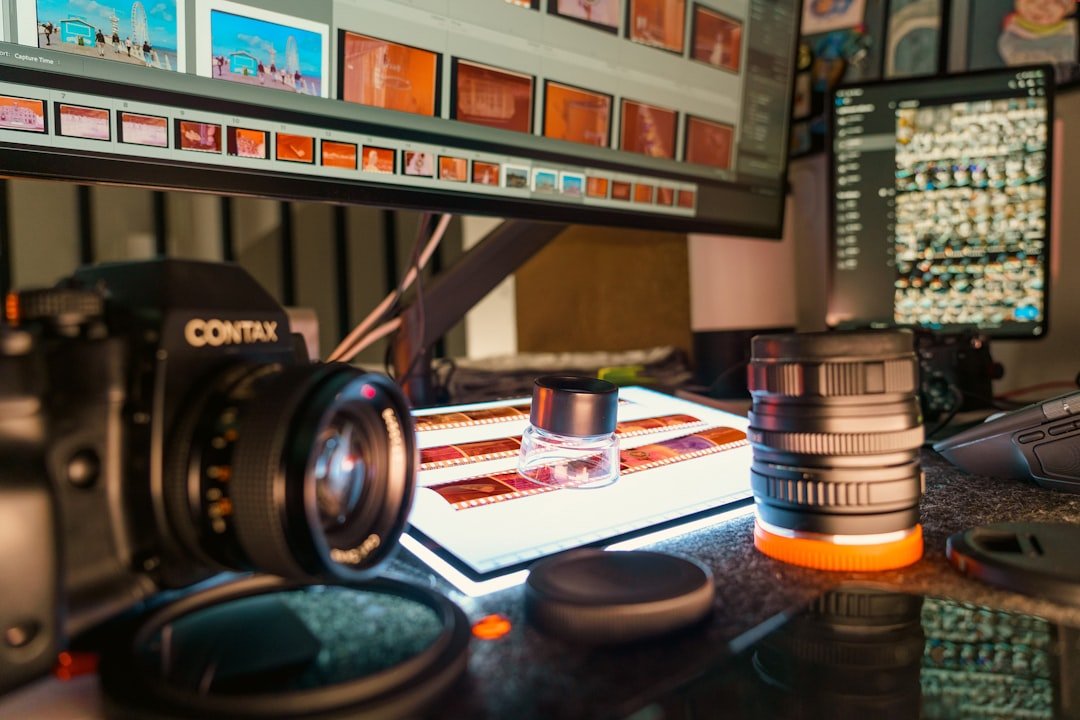
The Digital Darkroom Evolution: Beyond Lightroom’s Dominance
The landscape of professional image post-processing has undergone a seismic shift. Once upon a time, Adobe’s Lightroom Classic reigned virtually unchallenged as the industry standard for photographers managing extensive image libraries and developing RAW files. Today’s reality tells a markedly different story, with a robust ecosystem of powerful alternatives offering distinct philosophies and technical capabilities that challenge the established order.
For contemporary photographers evaluating their editing workflow, the decision matrix has become considerably more complex. Rather than a binary choice between Lightroom and its competitors, professionals now navigate a nuanced landscape where five established contenders each deliver compelling value propositions. These platforms vary significantly in their architectural approaches, interface design, processing algorithms, and overall integration potential within broader creative ecosystems.
Understanding the Trade-offs
When evaluating post-processing platforms, photographers must weigh multiple competing factors that directly impact productivity and creative output. Processing velocity matters considerably—some solutions leverage GPU acceleration more effectively than others, translating to measurably faster render times during batch operations. Feature depth presents another critical consideration; comprehensive editing toolkits satisfy advanced practitioners, yet can overwhelm those prioritizing streamlined workflows.
The learning curve represents a frequently overlooked but genuinely consequential variable. Software interfaces ranging from intuitive to labyrinthine directly influence adoption speed and long-term satisfaction. Additionally, organizational methodologies vary substantially between platforms—some emphasize hierarchical folder structures while others champion tagging systems and intelligent filtering capabilities.
The Current Competitive Landscape
Today’s viable alternatives span diverse technical approaches and user philosophies. Some platforms prioritize non-destructive editing with parametric controls, maintaining maximum flexibility throughout the development process. Others embrace AI-assisted workflows, automating technical corrections previously requiring manual intervention. Subscription licensing continues dominating mainstream offerings, though perpetual license options persist for photographers seeking alternative purchasing models.
Integration ecosystems deserve serious consideration as well. Does your selected platform synchronize seamlessly with mobile devices? Can you implement consistent processing across multiple machines? Which cloud services receive native support, and how does this facilitate your existing backup and archival strategies?
Making Your Selection
Rather than pursuing universal superiority, each serious contender excels in specific professional contexts. Wedding photographers might prioritize different capabilities than landscape specialists or commercial studio operators. Your decision ultimately hinges upon identifying which platform’s particular strengths align most directly with your photographic practice, technical requirements, and operational preferences.
The democratization of editing tools ultimately benefits the photographic community. Photographers gain unprecedented choice, healthier competition drives continuous innovation across all platforms, and the rising tide of capable software genuinely elevates the profession’s technical baseline. The question no longer concerns whether alternatives exist—rather, which option optimally complements your individual creative vision and operational requirements.