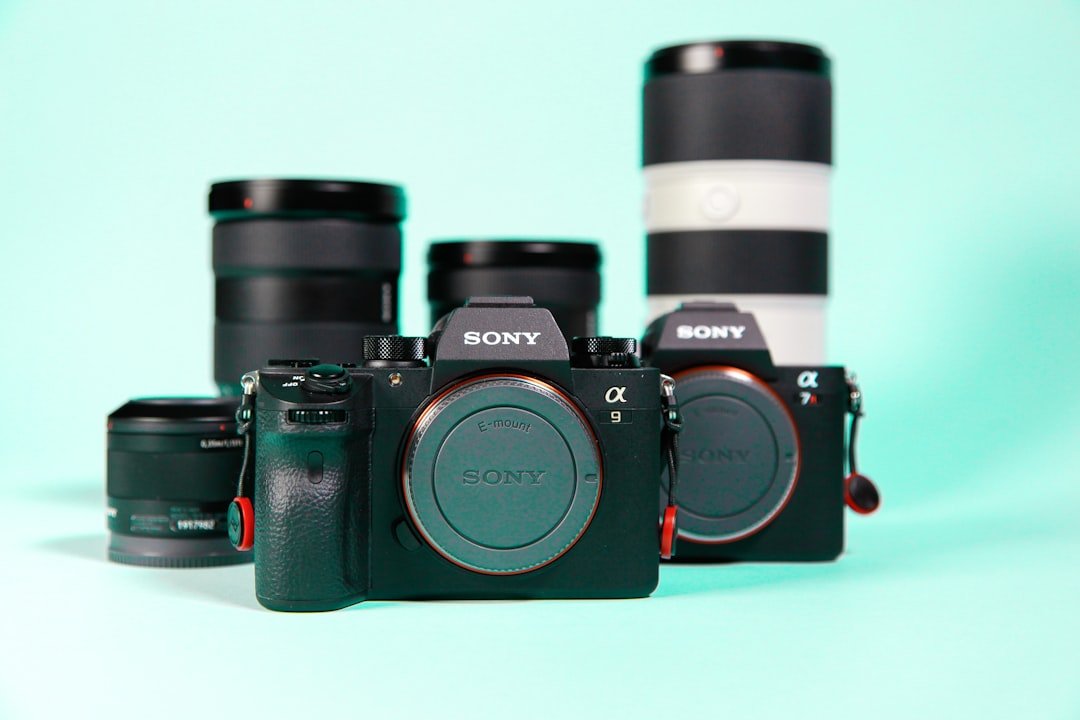
Finding Your Perfect Sony Camera Match
The Sony camera ecosystem presents photographers with an abundance of choice—perhaps even overwhelming abundance. From ultra-compact travel-friendly models to professional-grade imaging systems engineered for demanding commercial work, Sony’s diverse portfolio caters to virtually every skill level and budget consideration. The challenge lies not in availability, but in making an informed decision that aligns with your specific photographic goals and financial parameters.
The proliferation of options across Sony’s current and recent catalog demands thoughtful evaluation. Investing in a camera body laden with advanced capabilities you’ll never explore represents wasted capital. Conversely, selecting an underpowered model lacking essential functions for your intended applications guarantees future frustration and potential upgrade expenses. This intersection of practical necessity and financial prudence requires careful analysis.
Understanding Sony’s Strategic Product Positioning
Sony has strategically structured its camera divisions to serve distinct market segments. Their compact and entry-level offerings appeal to casual enthusiasts and travel photographers prioritizing portability and simplicity. The mid-range selections target serious hobbyists and emerging professionals who demand responsive autofocus systems, superior image processing, and expandable lens ecosystems. Premium flagship models represent the pinnacle of Sony’s engineering, incorporating cutting-edge sensor technology, robust build construction, and feature sets designed for high-volume professional environments.
Each tier within this hierarchy delivers particular advantages. Entry-level bodies provide approachable pathways into digital photography without excessive financial commitment. Mid-tier cameras strike equilibrium between capability and accessibility, offering authentic creative control. Professional systems deliver reliability and performance metrics essential for mission-critical assignments where equipment failure translates to financial or reputational consequences.
Key Evaluation Criteria for Sony Selection
When assessing potential Sony camera investments, several factors merit careful consideration. Sensor specifications directly influence image quality, particularly in challenging lighting scenarios and high-sensitivity situations. Autofocus responsiveness affects operational workflow, especially for videography and fast-action photography. Battery endurance determines field practicality during extended shooting sessions. Ergonomic design impacts comfort during extended use and influences your willingness to carry the device regularly.
Additionally, evaluate the native lens ecosystem available within your intended mount system. A camera body’s capabilities mean little without optical tools to realize its potential. Consider your growth trajectory—whether you anticipate expanding into specialized photographic disciplines that demand specific optical characteristics or advanced technical capabilities.
Making Your Purchase Decision
The optimal Sony camera represents a confluence of features you’ll genuinely utilize, build quality matching your intended application frequency, and cost alignment with your financial capacity. Research actual user experiences beyond marketing claims. Examine sample imagery in lighting conditions matching your typical shooting environment. Handle prospective models whenever feasible to assess physical comfort and intuitive control layout.
Rather than pursuing the most expensive or feature-rich option, prioritize matching camera capabilities to your creative vision and professional requirements. This methodical approach ensures satisfaction and maximizes return on your photography investment, whether you’re documenting family moments or pursuing commercial commissions.