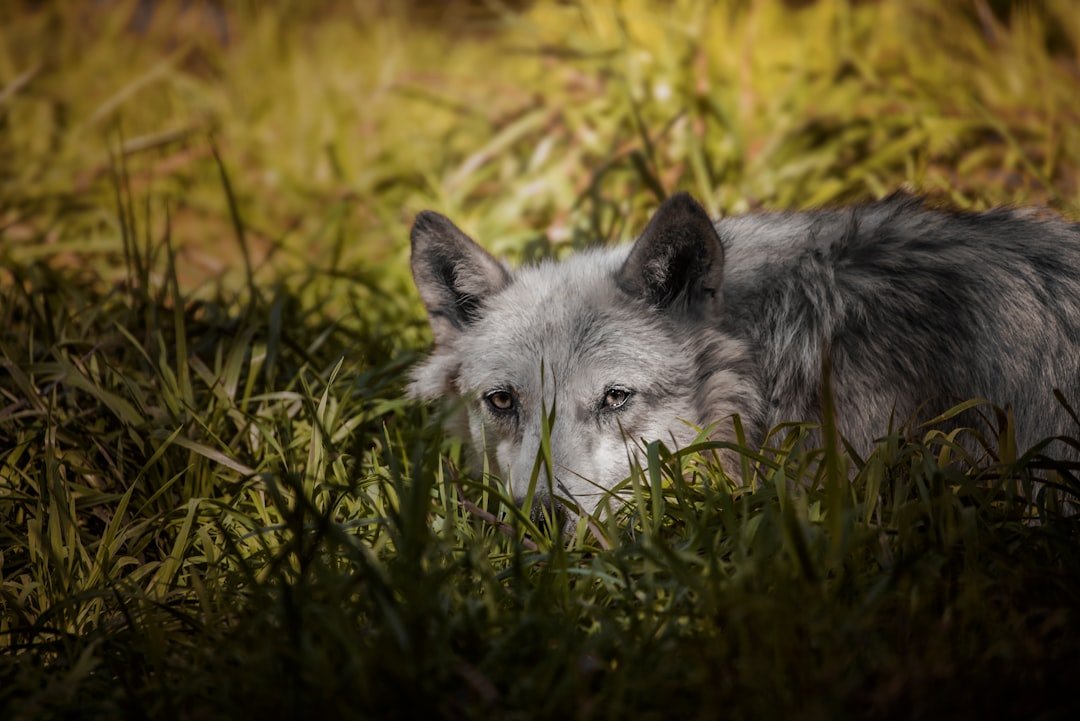
Deepfake Image Disrupts Wildlife Rescue Operation, Results in Criminal Charges
A synthetically created photograph depicting a wolf purportedly on the loose at a South Korean zoological facility has culminated in the arrest of an individual responsible for distributing the misleading visual content. The incident underscores growing concerns within both law enforcement and wildlife management sectors regarding the proliferation of convincing artificial intelligence-generated imagery and its potential consequences.
The deceptive image, crafted using advanced generative AI technology, bore sufficient visual authenticity to deceive rescue personnel actively engaged in locating the escaped animal. As search teams mobilized resources based on the fraudulent photograph, the false lead significantly hampered legitimate recovery efforts and diverted critical personnel away from the actual incident response protocol.
The Rising Challenge of AI-Generated Visual Content
This occurrence highlights a critical intersection between photographic authenticity and digital manipulation technology. In an era where computational image synthesis has achieved remarkable fidelity, distinguishing between genuine documentary photography and algorithmically generated content has become increasingly challenging for both professionals and the general public.
The implications extend beyond this singular incident. Wildlife photographers, photojournalists, and media organizations face mounting pressure to verify image provenance and implement robust authentication systems. Digital forensics specialists now routinely examine metadata, compression artifacts, and computational signatures to validate photographic authenticity.
Implications for Wildlife Management and Public Safety
The disruption caused by the fabricated wolf photograph demonstrates how synthetic media can compromise critical infrastructure response systems. Emergency management protocols typically rely on citizen reporting and visual documentation to coordinate effective responses. When false imagery enters these information streams, it creates operational confusion and wastes valuable resources that might be needed for genuine emergencies.
Wildlife facilities and emergency services have begun implementing stricter image verification procedures, consulting with digital forensics experts to authenticate photographs before integrating them into operational decisions. This represents a significant shift in how institutions manage crisis communications in an age of sophisticated digital deception.
Legal Ramifications and Precedent
The arrest demonstrates that jurisdictions are beginning to prosecute individuals who deliberately fabricate and distribute misleading visual content intended to interfere with public safety operations or emergency response activities. Legal frameworks worldwide are evolving to address the unique challenges posed by deepfakes and synthetic imagery deployed with malicious intent.
This case establishes important precedent regarding digital content creation and public responsibility. As generative AI tools become increasingly accessible to general consumers, questions surrounding ethical deployment and accountability continue gaining prominence within policy-making circles.
Going forward, photography professionals, technology developers, and regulatory bodies will likely collaborate to establish industry standards for image authentication and provenance documentation, ensuring that authentic documentary photography maintains credibility while synthetic content creation remains transparent and properly labeled.