Adobe Expands AI-Driven Creative Capabilities with Claude Integration
Adobe has announced a significant milestone in its artificial intelligence strategy, bringing Anthropic’s Claude language model directly into its suite of professional creative applications. This strategic partnership represents a fundamental shift in how designers, photographers, and content creators can leverage AI to streamline their production pipelines.
The integration centers on a new Adobe connector designed specifically for Claude, enabling users to orchestrate complex creative tasks through conversational prompts rather than navigating traditional menu systems. This marks a transition toward what industry experts term “agentic” workflows—a paradigm where artificial intelligence actively manages and coordinates multiple creative tools in response to natural language instructions.
Public Beta Launch of Firefly AI Assistant
Complementing the Claude integration, Adobe has simultaneously rolled out a public beta version of its Firefly AI Assistant. This dual-pronged approach allows creative professionals to experience enhanced generative capabilities while maintaining flexibility in their tool selection. For photographers and visual artists, Firefly’s image generation and enhancement features promise to accelerate repetitive tasks while preserving creative control.
The timing of these announcements reflects growing demand among professional creatives for AI systems that enhance rather than replace human expertise. Photographers working in commercial, editorial, and fine art domains increasingly seek intelligent automation that handles technical preprocessing, metadata management, and compositional analysis—tasks that consume valuable production time.
Orchestrating Multi-Application Workflows
The true innovation lies in cross-application orchestration. Previously, users needed to manually transition between Photoshop, Lightroom, Premiere, and other Adobe applications, executing individual commands in each environment. The new Claude connector eliminates this friction by accepting high-level creative directives and automatically routing tasks across appropriate applications.
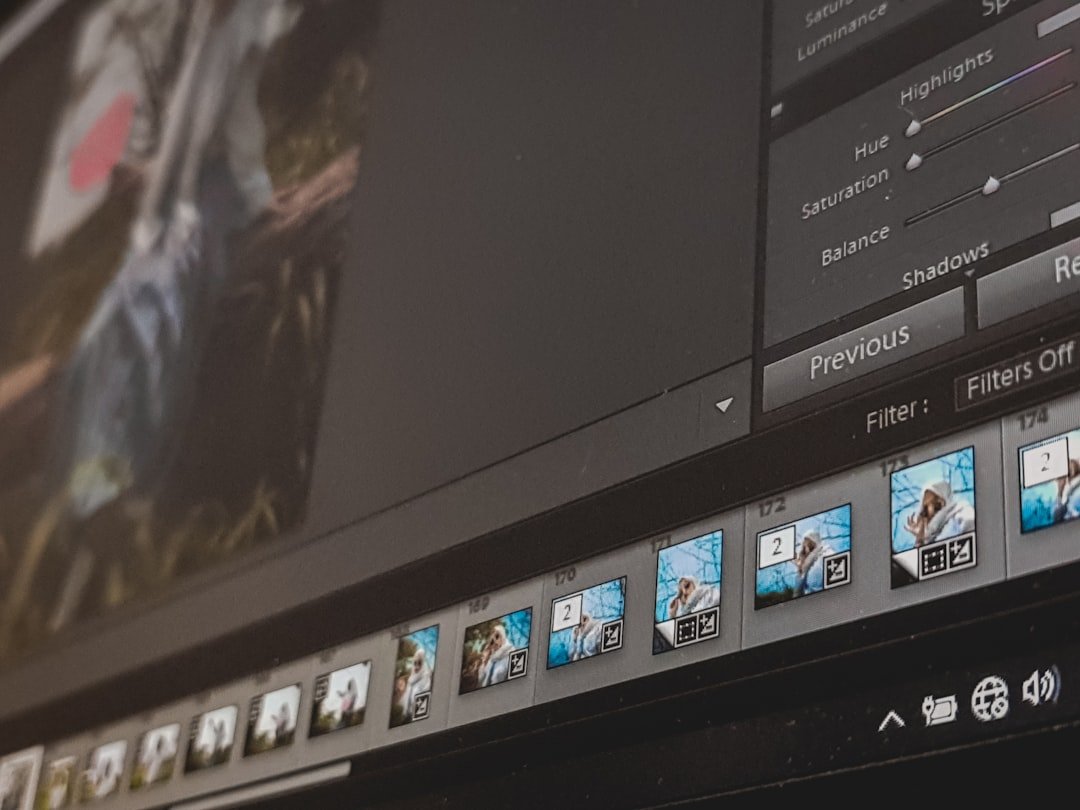
Consider a photographer managing hundreds of raw images from a complex shoot. Instead of manually adjusting exposure in Lightroom, organizing assets in Bridge, and compositing final images in Photoshop, they can now issue comprehensive instructions that Claude distributes intelligently across these applications. The system understands context, recognizes creative intent, and executes sequences of operations without constant user intervention.
Implications for Professional Workflows
This development carries significant implications for studio operations and freelance professionals alike. By reducing the cognitive load associated with application switching and command selection, Adobe’s AI integration frees creatives to concentrate on conceptual decisions and artistic vision. Time previously spent on technical execution can redirect toward client consultation, creative experimentation, and portfolio development.
The Claude partnership specifically brings advanced reasoning capabilities to creative problem-solving. Unlike basic image generation tools, Claude can engage in nuanced discussions about creative direction, suggest alternative approaches, and adapt recommendations based on ongoing feedback throughout the creative process.
The Broader AI Landscape
Adobe’s expanded AI ecosystem positions the company at the intersection of professional creative software and conversational artificial intelligence. As generative AI becomes increasingly sophisticated, the primary competitive advantage shifts from raw capability toward seamless integration and intuitive interface design.
For photography and visual media professionals, this evolution represents unprecedented opportunity. Rather than viewing AI as a disruptive force, savvy creatives can harness these tools to enhance their competitive positioning, deliver projects faster, and explore creative directions previously constrained by time limitations.
The public beta phase offers an accessible entry point for professionals curious about AI-assisted workflows without requiring immediate commitment to new software or learning curves. As the integration matures, expect refinements based on professional feedback and emerging use cases from the creative community.