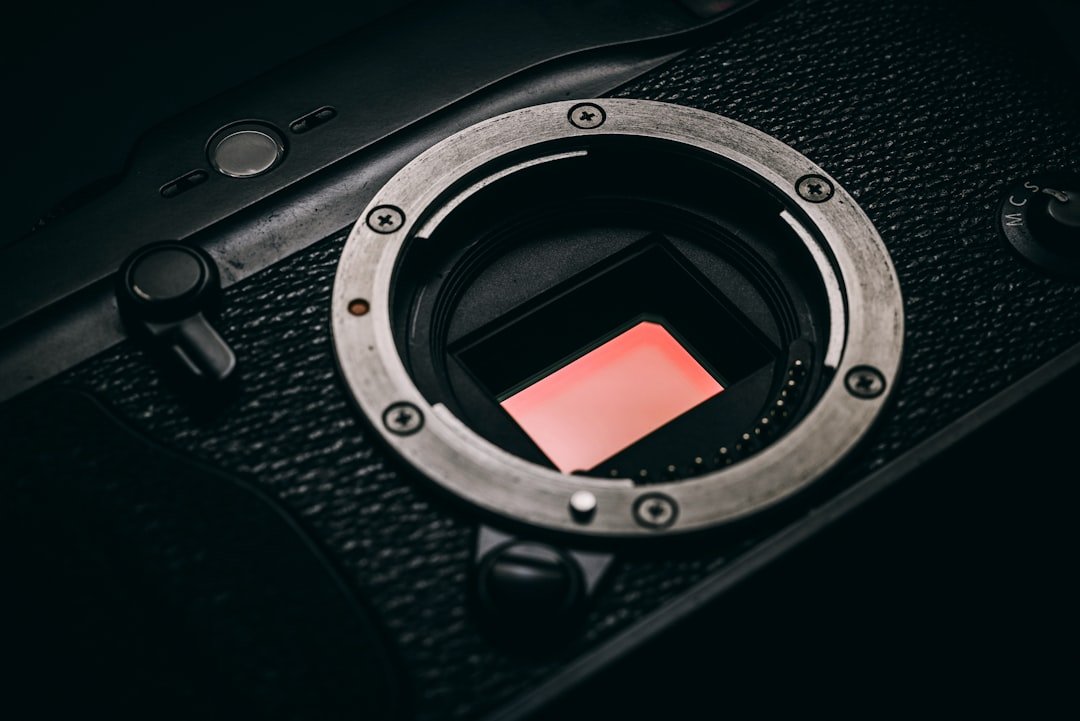
The Megapixel Marketing Machine
When shopping for a new camera, resolution figures dominate advertising campaigns and specification sheets. Consumers frequently prioritize megapixel counts as a primary purchasing criterion, believing that higher numbers automatically translate to superior image quality. However, this widespread assumption significantly oversimplifies the complex relationship between sensor resolution and photographic output.
The reality presents a more nuanced picture than marketing materials suggest. Contemporary sensor technology has reached a plateau where the distinctions between modest resolution increases—say, moving from a 24-megapixel to a 50-megapixel configuration—produce results that most photographers cannot meaningfully differentiate in practical applications.
Understanding the Real-World Impact
Resolution becomes genuinely relevant only when your intended use demands it. Professional photographers working in fashion, architecture, or commercial work benefit from higher pixel counts when producing large-format prints or requiring substantial cropping flexibility. Conversely, content creators producing images exclusively for digital platforms, social media distribution, or standard print sizes encounter minimal practical advantages from exponential megapixel increases.
Several factors matter far more than raw megapixel specifications:
Sensor size fundamentally influences light-gathering capability and dynamic range performance. A larger full-frame sensor at 24 megapixels typically outperforms a smaller crop-sensor at 48 megapixels in low-light scenarios and tonal gradation. Optical quality through lens construction, coating technologies, and optical design significantly impacts perceived sharpness and detail rendition. Autofocus systems, processing algorithms, and in-camera noise reduction mechanisms often prove more decisive for final image quality than resolution alone.
The Practical Resolution Sweet Spot
For contemporary photography across most disciplines, 20-30 megapixels provides ample capability for professional-grade work. This resolution range supports substantial enlargements, permits reasonable cropping adjustments, and maintains file sizes manageable for efficient workflow processing. Professional studios and editorial photographers frequently discover that their primary limitations stem from lighting techniques, composition expertise, and subject matter rather than sensor resolution constraints.
Higher megapixel cameras introduce legitimate trade-offs worth considering. Increased file sizes demand more robust storage infrastructure, faster memory cards, and lengthier post-processing timelines. Rolling shutter effects, buffer limitations during rapid shooting sequences, and computational overhead can occasionally prove problematic with ultra-high-resolution formats.
Investment Philosophy
Savvy photographers should redirect budgetary resources toward genuine performance improvements: premium lens optics, advanced autofocus systems, improved battery efficiency, and robust weather sealing. A 30-megapixel body paired with exceptional glass consistently produces superior results compared to a 100-megapixel camera equipped with mediocre optics.
The photography industry’s future likely involves stabilization around practical resolution plateaus rather than continued megapixel escalation. Manufacturers increasingly emphasize computational photography, machine learning capabilities, and sensor efficiency rather than pixel multiplication.
Understanding your specific requirements—rather than chasing specification sheet numbers—ensures purchasing decisions align with actual creative needs rather than marketing narratives.