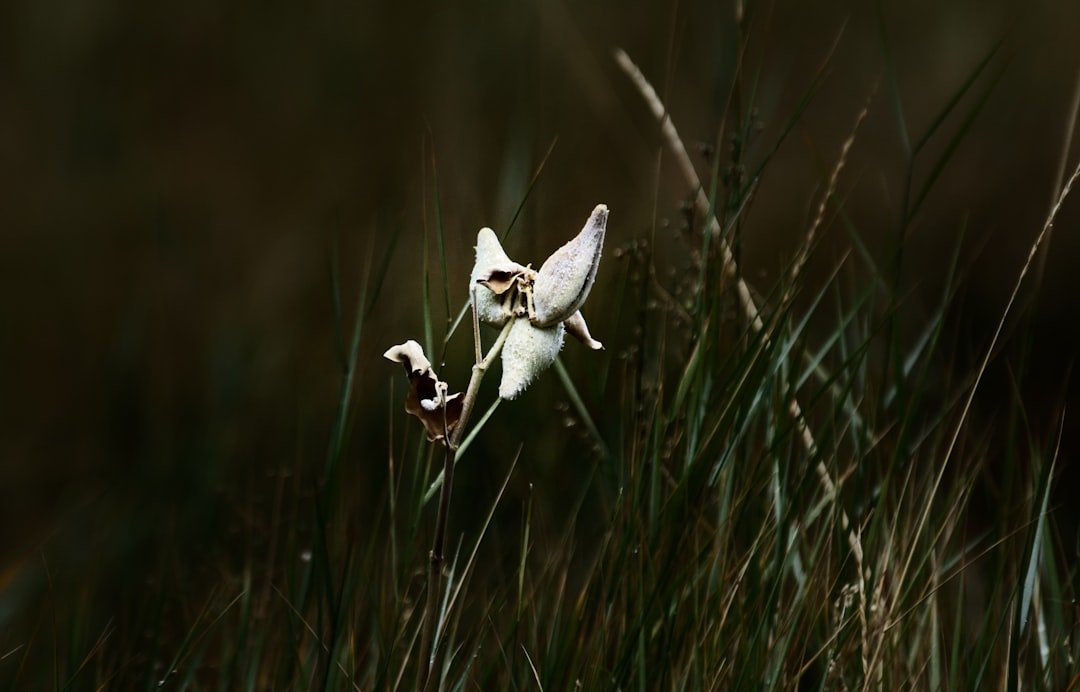
A Collaborative Expedition Into Florida’s Unexplored Wetlands
In a groundbreaking convergence of scientific inquiry and visual storytelling, a compelling new documentary captures the ambitious efforts of wildlife photographers and botanical researchers as they venture into Florida’s most inaccessible swamp ecosystems. Their mission: to finally unlock the botanical mystery surrounding the ghost orchid, one of North America’s most enigmatic and rarely documented flowering species.
The ghost orchid represents one of the natural world’s most compelling photographic challenges. This spectral bloom has eluded comprehensive documentation for generations, with its delicate structure and remote habitat making it extraordinarily difficult to observe and capture. The species’ reproductive mechanisms remain largely shrouded in scientific uncertainty, with field observations of active pollination events remaining extraordinarily scarce in the literature.
The Photography Challenge
For nature photographers, documenting the ghost orchid presents technical obstacles that extend far beyond conventional wildlife imaging. The species thrives exclusively in pristine, undisturbed wetland environments where conventional camera equipment struggles. Photographers must navigate treacherous terrain while managing humidity levels that threaten sensitive optical components, all while maintaining the stealth and patience required to capture candid botanical moments.
The documentary format allows filmmakers to document not just the subject itself, but the entire expedition narrative—from equipment preparation through the intense moments when researchers finally encounter living specimens. This multi-sensory approach provides viewers with authentic insight into the reality of field research photography, where technical proficiency meets environmental resilience.
Scientific Significance Meets Visual Documentation
The collaboration between these two disciplines proves mutually beneficial. Scientists gain access to high-resolution imagery and video footage that surpasses what traditional field notes can convey, while photographers contribute to genuine scientific advancement by documenting previously unrecorded behavioral patterns and environmental conditions. The resulting visual archive becomes an invaluable research resource for future botanical study.
This partnership exemplifies an increasingly important trend in contemporary nature photography: the recognition that skilled visual documentation constitutes legitimate scientific contribution. Rather than treating photography as supplementary to research, this project positions imaging expertise as foundational to understanding complex ecological relationships.
Environmental Storytelling
Beyond the specific mystery of ghost orchid pollination, the documentary serves a broader conservation narrative. By showcasing the pristine but fragile Florida swamp ecosystem, the project raises awareness about habitat preservation and the urgency of protecting these vanishing environments. The visual documentation creates a compelling case for environmental stewardship that resonates with audiences in ways that academic papers cannot.
The expedition also demonstrates how modern photographic technology—from advanced macro lenses to drone cinematography—expands the boundaries of what researchers can observe and document in the field. These tools don’t merely enhance documentation; they fundamentally transform how scientists can approach field study in challenging environments.
As climate change and human development increasingly threaten Florida’s wetlands, this documentary arrives at a critical moment. The visual record created through this collaboration becomes more than artistic achievement or scientific curiosity; it transforms into an essential archive of natural heritage, potentially providing future researchers with irreplaceable baseline data on species behavior and habitat characteristics.