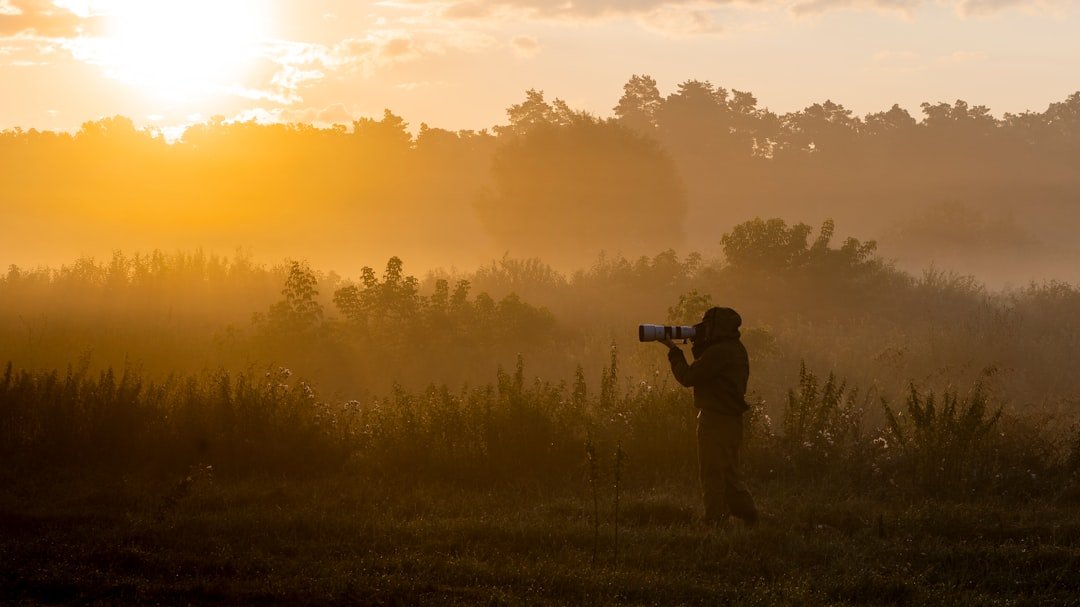
The equipment sitting in your camera bag represents merely the technical foundation of photography. The genuine challenge—one that deserves far more attention in creative circles—lies in developing the perceptual skills required to identify compelling imagery before your camera ever leaves your side.
The Vision Gap in Photography Education
Contemporary photographers often invest considerable resources into acquiring gear, learning exposure theory, and mastering post-processing techniques. Yet a critical competency frequently goes underdeveloped: the ability to recognize photographic potential in everyday environments. This disconnect creates a paradox where technically proficient creators struggle to produce distinctive, impactful work.
The distinction between looking and truly observing separates accomplished visual storytellers from casual documentation. Developing what many in the industry call “photographic sight”—the capacity to perceive composition, light, color relationships, and narrative potential—requires intentional practice and theoretical understanding that extends beyond mechanical camera operation.
Cultivating Observational Excellence
Master photographers across genres consistently emphasize that their most compelling work emerges from heightened awareness rather than serendipity. This acquired sensitivity involves understanding how light sculptors form, recognizing moments of genuine human emotion, and identifying geometric relationships that create visual harmony.
Building this perceptual foundation demands deliberate study. Analyzing the compositions of photographers you admire—dissecting why certain frames resonate emotionally while others fall flat—trains your eye to anticipate compelling visual moments. Understanding color theory, gestalt principles, and visual hierarchy becomes as essential as mastering aperture settings.
The Pre-Production Advantage
Professional photographers consistently report that their most successful projects begin with extensive observation phases. Before triggering the shutter, seasoned practitioners scout locations, study how light behaves at different times, and consider narrative angles. This preparatory work transforms what might otherwise be random documentation into deliberate visual communication.
Many contemporary creators now incorporate “shooting without a camera” exercises into their practice routines. This technique involves spending dedicated time in environments without equipment, using only observation and mental framing to identify potential subjects and compositions. The results frequently demonstrate that technical limitations paradoxically enhance creative thinking.
Bridging Theory and Practice
Academic study in visual arts, photography history, and aesthetic theory provides frameworks that accelerate perceptual development. Understanding movements from documentary photography’s golden era through contemporary fine art approaches illuminates why certain images endure while others fade into obscurity.
Equally important is practical application. Regularly engaging with photographic challenges—whether self-directed projects or structured assignments—forces you to actively hunt for compelling visual narratives. This discipline trains your subconscious to continuously evaluate environments through a photographic lens.
The Professional Imperative
In competitive professional photography markets, technical competence has become table stakes. The differentiating factor increasingly resides in the photographer’s capacity to discover unique perspectives and compelling moments. Clients and galleries distinguish between competent technicians and visionary creators based on the originality and emotional resonance evident in final images.
Investing time in developing observational acuity—through study, intentional practice, and continuous analysis—directly correlates with producing work that captures attention and commands recognition. The camera remains a tool for translating vision into visual form, but the vision itself must precede its mechanical translation.