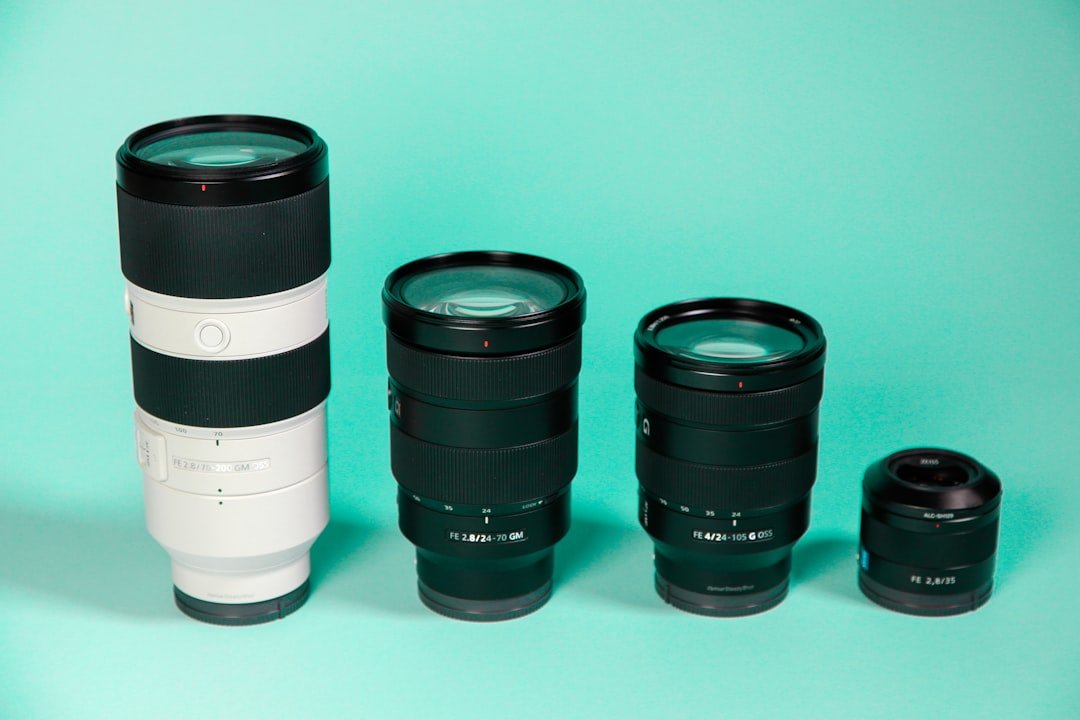
Building Your Core Lens Collection: Making the Right First Choice
When photographers begin assembling a versatile camera system, few decisions prove as consequential as selecting which zoom lens to prioritize. The perennial debate between standard-range and medium-telephoto optics represents one of the foundational gear choices that shapes your creative capabilities and shooting workflow.
Understanding the distinct roles these lenses play is critical for making an informed purchase decision. Rather than competing directly for the same photographic responsibilities, each occupies a unique position within a comprehensive kit, addressing fundamentally different compositional needs and subject matter.
The Standard Zoom’s Versatile Foundation
A standard zoom lens, typically spanning the 24-70mm focal length range, serves as the workhorse of professional photography. This versatile optic handles everyday assignments with remarkable flexibility, from environmental portraiture to documentary work and architectural detail shots. The wider end accommodates spatial context, while the longer focal lengths compress perspective for more intimate framing.
This lens category dominates professional workflows because it consolidates multiple focal lengths into a single, convenient package. Photographers appreciate the seamless transitions between compositions without changing glass, maintaining workflow efficiency during critical moments. The optical engineering in modern designs delivers exceptional sharpness across the entire range, making these lenses suitable for demanding commercial work.
The Telephoto Zoom’s Specialized Reach
Medium-telephoto zooms in the 70-200mm category excel at isolating subjects and creating compressed, dimensional imagery. These lenses prove indispensable for sports photography, wildlife documentation, and portrait work where subject separation and bokeh enhancement matter significantly. The extended reach allows photographers to maintain distance from subjects while capturing compelling detail.
The optical characteristics of telephoto designs produce naturally flattering perspective compression that photographers deliberately exploit for aesthetic advantage. Additionally, these lenses typically feature wider maximum apertures, facilitating better subject isolation and superior low-light performance compared to standard zooms.
Complementary Rather Than Competitive
The critical insight distinguishing these lens categories is their complementary nature. Professional photographers typically acquire both because each addresses distinct creative situations rather than overlapping responsibilities. A wedding photographer might deploy the standard zoom for ceremony documentation and reception work, then switch to the telephoto for compression-heavy detail shots and emotional portraits.
Your purchasing decision should align with your primary photographic pursuits. Documentary and architectural specialists gravitate toward standard zooms first, while portraitists and telephoto-dependent specialists prioritize the longer focal length. Neither choice locks you into permanent limitations; rather, your selection reflects which range aligns with your immediate requirements and photographic direction.
Investment Considerations
Both lens categories represent substantial investments in optical quality and professional-grade construction. Modern offerings from reputable manufacturers deliver exceptional performance, advanced optical coatings, and durable weather-sealed construction suited to demanding professional environments.
Rather than viewing this as an either-or decision, progressive photographers recognize both lenses as essential components of a complete system. Your first acquisition should reflect where you spend the majority of shooting time, with the complementary lens following as your practice and client base evolve.