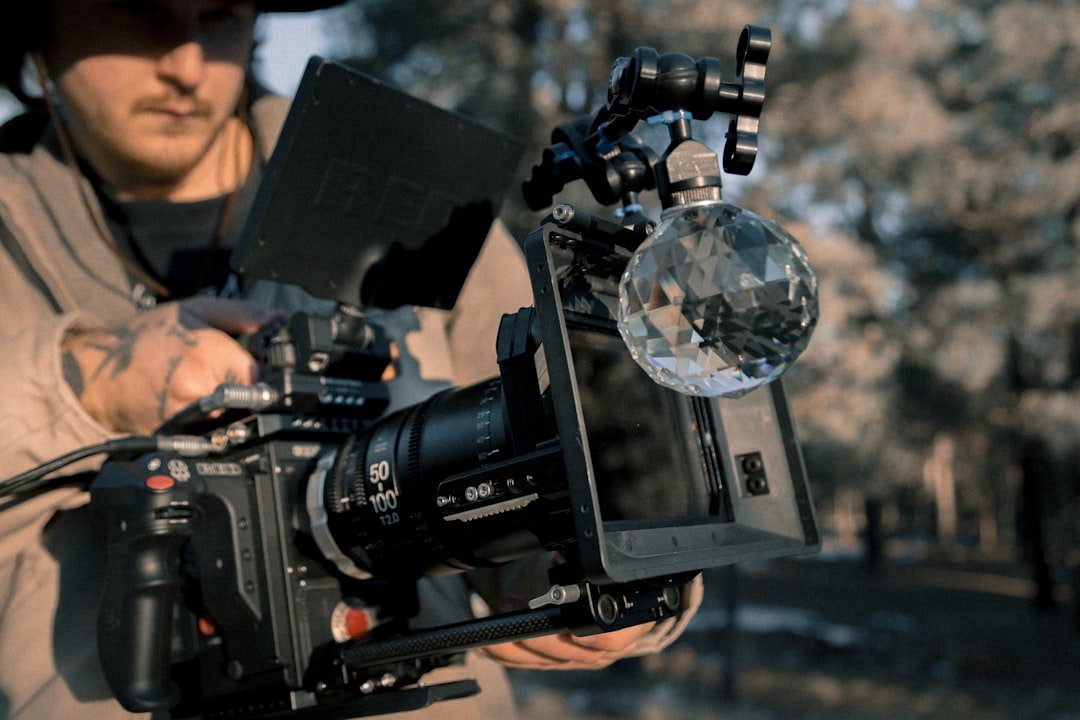
When Legacy Equipment Meets Modern Innovation
Since Nikon’s strategic acquisition of Red Cinema, the photography and filmmaking communities have engaged in extensive discussions surrounding the Nikon Z 8 mirrorless system. However, much of this discourse centers on technical specifications, codec compatibility, and comparative performance metrics. What remains conspicuously absent from mainstream coverage is genuine firsthand perspective from established professionals who have transitioned from Red’s legendary cinema cameras to Nikon’s latest flagship offering.
The narrative becomes particularly compelling when examining the experience of a seasoned videographer with years of hands-on Red camera experience—someone who has invested in the ecosystem, understood its workflow intimately, and maintained realistic expectations about switching platforms. This professional journey reveals insights that spec sheets simply cannot provide.
The Red Legacy in Professional Cinematography
Red cameras have maintained a dominant position in high-end film and television production for over a decade. Their RAW recording capabilities, robust build quality, and color science established an industry standard that countless production professionals relied upon for mission-critical work. For many cinematographers, transitioning away from such familiar territory represented both practical and psychological hurdles.
The decision to move away from established Red infrastructure typically signals either significant market shifts or compelling technological advantages that justify the operational and financial disruption.
Discovering Unexpected Capabilities
Rather than experiencing disappointment upon testing the Z 8, seasoned professionals have reported pleasant surprises. The system delivers performance characteristics that challenge preconceptions about mirrorless technology’s readiness for demanding cinema work. Autofocus reliability, sensor performance under challenging lighting conditions, and workflow integration have exceeded conservative expectations held by cinematographers accustomed to traditional cinema camera design.
The Z 8’s integration of innovations from Nikon’s acquisition creates a compelling proposition for professionals seeking modern capabilities without sacrificing the operational familiarity that established shooters value.
Redefining Professional Expectations
This transition narrative demonstrates how the contemporary camera market has evolved beyond simple specifications. Practitioners increasingly evaluate systems based on real-world performance, ergonomic compatibility with existing production infrastructure, and long-term ecosystem viability. The Z 8 represents a maturation of mirrorless technology that addresses historical limitations that previously encouraged professionals to maintain cinema-specific camera platforms.
For established Red users evaluating potential transitions, this experienced perspective provides invaluable context. It confirms that modern mirrorless systems have achieved sufficient capability and reliability to genuinely serve professional cinematographic demands—not merely as secondary tools, but as primary production cameras.
Moving Forward in a Transitional Era
The photography and cinema industries remain in the midst of a significant technological transition. As traditional cinema cameras become incrementally less essential for professional work, mirrorless platforms continue closing capability gaps that once justified dual-system workflows. Stories from practitioners making these transitions serve as important barometers for evaluating whether the industry’s new direction genuinely serves professional needs.