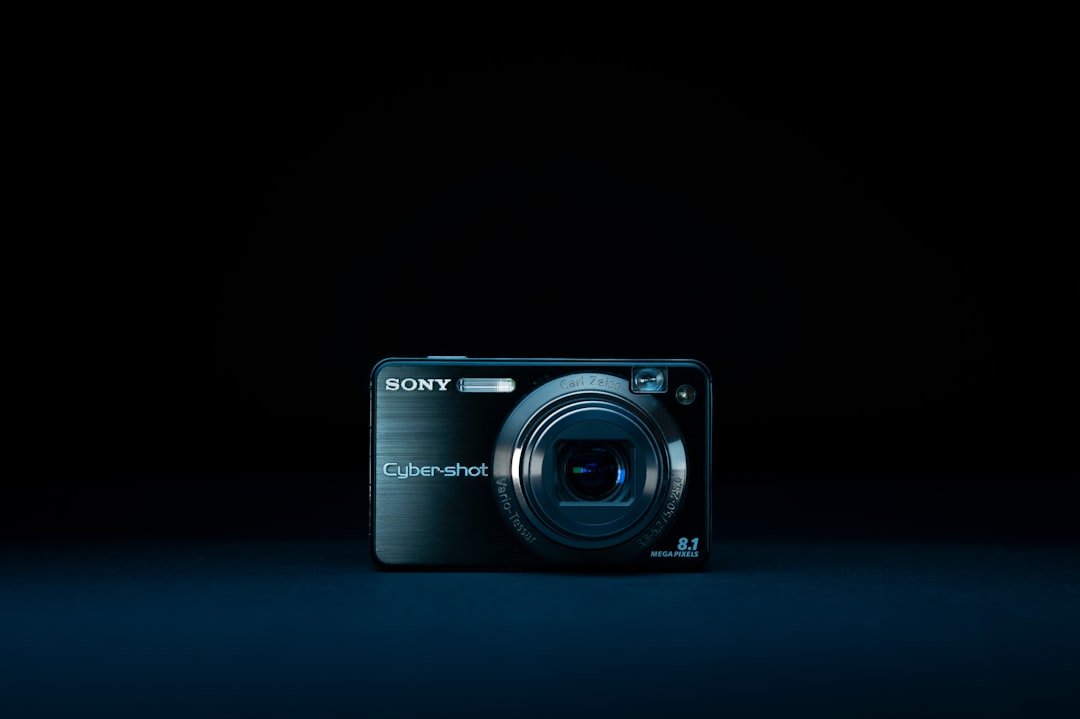
The Unexpected Contender in the Fixed-Lens Camera Market
When Sony unveiled the RX1R Mark III, professional photographers and enthusiasts alike found themselves in a peculiar position. Priced at a substantial $5,100, this latest iteration of Sony’s premium compact camera arrived with specifications that seemed to invite skepticism rather than celebration. The absence of in-body image stabilization, a fixed display panel, and a power cell borrowed from the company’s 2013 archives sparked considerable debate across the photography community.
The initial backlash wasn’t entirely without merit. On paper, these omissions represent genuine compromises that would give any potential buyer legitimate pause. However, reducing the RX1R Mark III to a simple list of missing features obscures a more nuanced discussion about what this camera actually accomplishes and how it positions itself within the competitive landscape of high-end compact photography.
Understanding the Design Philosophy
Sony’s philosophy with the RX1R series has always centered on delivering exceptional optical performance in the most portable package possible. The Mark III continues this tradition with a sophisticated Zeiss-designed fixed lens that serves as both its greatest strength and defining limitation. This approach differs fundamentally from competing systems that prioritize adaptability and feature abundance.
The decision to retain legacy battery technology, while admittedly frustrating to modern sensibilities, reflects engineering priorities that emphasize optical excellence and build quality over chasing specification sheets. This manufacturing choice underscores how premium compact cameras operate in a market segment where certain trade-offs become inevitable.
The Competitive Reality
Positioned directly opposite the Leica Q3, another icon of the premium compact category, the Sony presents an interesting philosophical fork. Both cameras command five-figure price points and serve photographers seeking uncompromising image quality without the burden of interchangeable lens systems. Yet they appeal to distinctly different priorities and shooting styles.
The absence of integrated stabilization becomes particularly relevant when considering the RX1R’s fixed focal length and the types of situations where such technology proves genuinely necessary. Professional photographers accustomed to working with prime lenses may find this specification less consequential than marketing narratives suggest.
Beyond the Specification Sheet
Premium compact cameras exist in a unique market segment where engineering choices reflect deliberate trade-offs rather than technological oversight. The RX1R Mark III’s controversial specs deserve scrutiny, but dismissing the entire package based on individual missing features misses the broader value proposition these instruments offer to discerning photographers.
Both Sony and Leica understand that their target audience evaluates these investments through a more sophisticated lens than casual consumers. The question becomes not simply which camera contains the most features, but rather which instrument delivers the shooting experience and final image quality that aligns with individual creative vision and professional demands.
For those considering such a significant investment, hands-on evaluation remains essential. Specifications tell only part of the story—the real narrative unfolds through actual shooting experience and the tangible results these premium instruments produce.