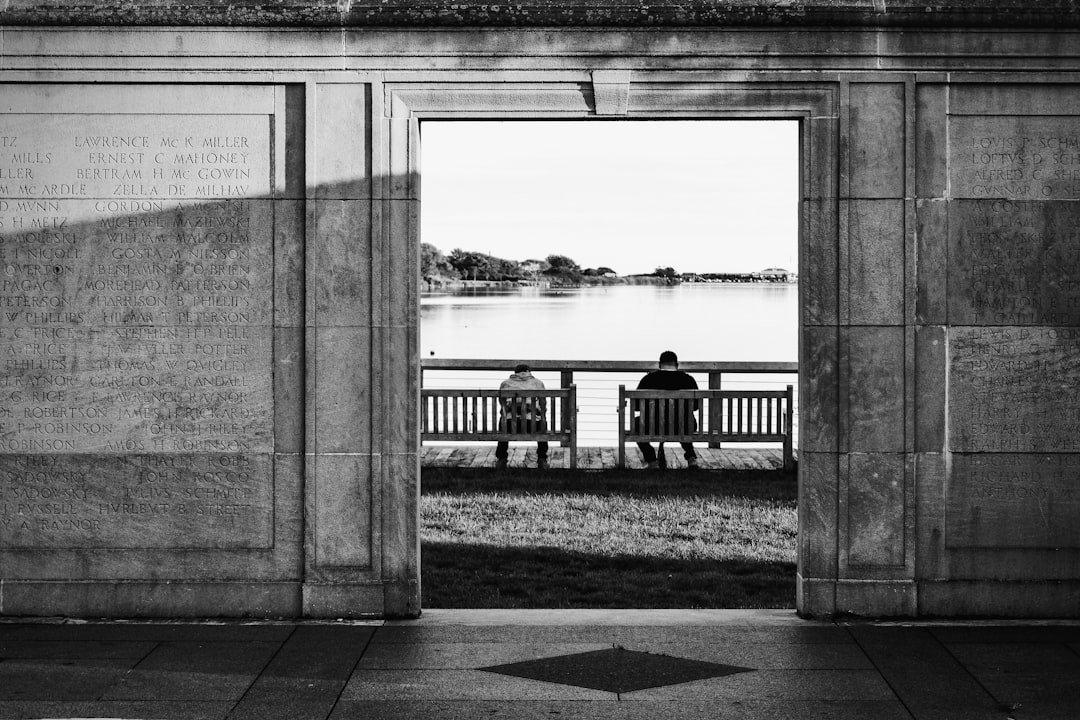
Unlock Hidden Compositional Potential with Architectural Elements
Architectural features, particularly doorways and entryways, represent a largely overlooked asset in the photographer’s compositional toolkit. Once you develop an awareness of these structural elements, their creative possibilities become immediately apparent across virtually every photographic discipline.
Doorways function as powerful visual anchors that serve multiple compositional purposes simultaneously. They naturally guide viewer attention, establish spatial hierarchy, and create dynamic layering opportunities within your frame. Whether you’re capturing intimate portraiture or documenting candid street moments, these architectural features offer exceptional versatility for strengthening your visual storytelling.
Creating Depth Through Layered Composition
The dimensional quality of a doorway—with its recessed entrance, threshold, and frame—naturally introduces foreground, middle ground, and background elements. This inherent layering capability allows photographers to construct images with substantial visual depth, moving beyond flat, two-dimensional representations. When positioning subjects within or adjacent to doorway structures, you immediately establish more sophisticated spatial relationships that enhance narrative complexity.
Achieving Visual Balance and Subject Placement
Doorways provide natural anchoring points that facilitate subject positioning according to established compositional principles. The vertical and horizontal lines of a doorframe create reference points for applying the rule of thirds or leading line methodologies. This built-in structural framework simplifies the challenge of achieving equilibrium between your primary subject and surrounding environmental context.
The threshold itself becomes a powerful positioning tool. Subjects standing within the doorway occupy transitional space—literally and symbolically between two environments. This inherently communicates narrative tension, vulnerability, or anticipation that elevates portraits beyond conventional headshots.
Narrative Enhancement Through Context
Beyond technical compositional benefits, doorways inherently convey symbolic meaning. They represent transition, access, opportunity, or barriers—providing sophisticated visual metaphors without requiring extensive post-processing manipulation. Street photographers particularly benefit from this narrative dimension, as doorways become vehicles for exploring themes of human geography, socioeconomic variation, and environmental storytelling.
Practical Implementation Strategies
Lighting Considerations: Doorway recesses create natural shadow patterns that sculpt facial features beautifully. The interplay between interior and exterior illumination generates dramatic contrast opportunities, particularly during golden hour conditions.
Environmental Context: The architectural character surrounding your subject—whether austere minimalist entries or ornate historical portals—contributes essential visual information that enriches thematic resonance.
Multiple Perspectives: Experiment with positioning subjects at various depths within the doorway structure. Front-facing placement differs dramatically from profiles captured through recessed thresholds, each offering distinct visual languages.
Developing Your Observational Skills
Recognizing doorway compositional opportunities requires intentional practice. Begin analyzing architectural environments during location scouting. Evaluate lighting patterns, depth dimensions, and contextual elements that might enhance your primary subject. This deliberate observation gradually becomes intuitive, enabling spontaneous recognition of compositional possibilities during active shooting.
Professional photographers working across portraiture, documentary, and street genres increasingly leverage architectural features as essential compositional elements. By mastering doorway framing techniques, you expand your creative vocabulary and develop more sophisticated visual communication strategies that distinguish your work from conventional approaches.