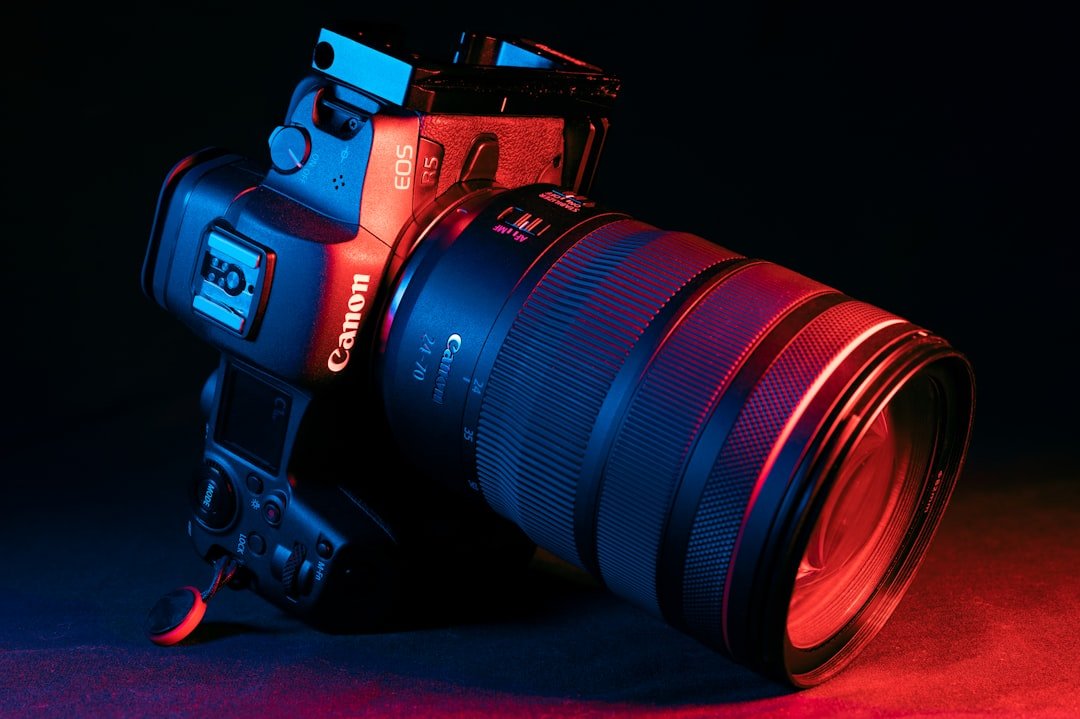
Canon’s Growing Mirrorless Ecosystem Presents New Choices
The mirrorless camera landscape has become increasingly competitive as manufacturers continue to expand their product portfolios. Canon’s recent strategic moves have introduced consumers and professionals to a more complex decision-making process when selecting their next imaging system.
Following the introduction of the C50 and R6 Mark III in the previous year, the market dynamics shifted considerably. What once appeared to be a straightforward comparison between two flagship models has evolved into a more nuanced conversation involving multiple contenders at overlapping price points and performance tiers.
Understanding Canon’s Multi-Tiered Strategy
Canon’s approach to populating the full-frame mirrorless market reflects broader industry trends toward vertical product segmentation. By introducing additional models within and adjacent to existing categories, the Japanese manufacturer aims to capture different buyer personas—from enthusiasts stepping up from DSLRs to seasoned professionals seeking specialized capabilities.
The proliferation of options within Canon’s EOS R lineup demonstrates a calculated response to competitive pressure from other manufacturers. Rather than concentrating resources on a single flagship platform, Canon has chosen to develop distinct variants tailored to specific use cases and budget constraints.
Market Implications for Consumers
While expanded offerings provide greater flexibility for purchasing decisions, they simultaneously introduce complexity into the selection process. Photographers must now carefully evaluate which model aligns with their specific requirements—whether prioritizing video capabilities, autofocus performance, ergonomic design, or sensor specifications.
This crowding effect within Canon’s own portfolio raises interesting questions about cannibalization and market positioning. Each model occupies slightly different territory within the mirrorless ecosystem, yet potential feature overlap and pricing proximity may influence purchasing patterns in unexpected ways.
Technical Considerations
The introduction of additional R-series variants brings different technological implementations to the table. Performance characteristics, including sensor resolution, processing power, recording formats, and autofocus algorithms, vary considerably across the expanding lineup. Photographers evaluating these systems must prioritize which features directly impact their creative vision and workflow requirements.
Canon’s commitment to building a comprehensive mirrorless ecosystem suggests the company intends to maintain its significant market share while catering to increasingly specialized professional demands. This strategy acknowledges that one-size-fits-all approaches no longer satisfy the diverse needs of contemporary digital imaging practitioners.
Looking Forward
As Canon continues developing its full-frame mirrorless portfolio, the company faces the ongoing challenge of maintaining clear differentiation between models. Consumers benefit from competitive alternatives, yet require clarity regarding which system best serves their particular circumstances. The expanding R-series lineup demonstrates Canon’s confidence in the mirrorless future while reflecting the maturity of the broader camera market.