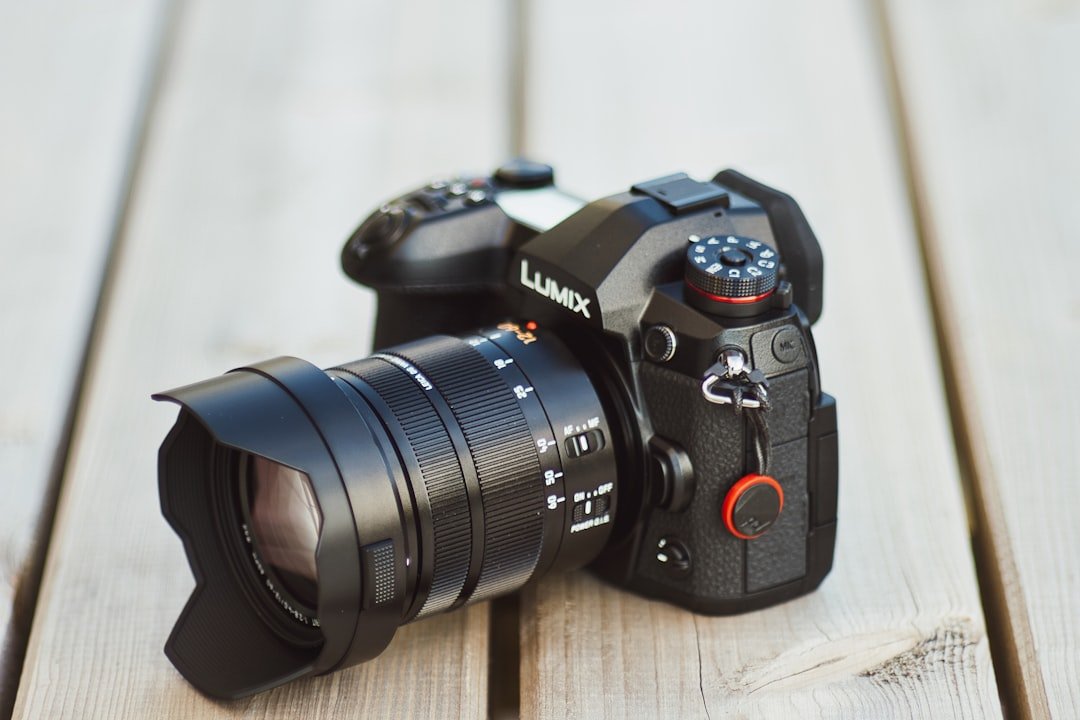
A Fresh Take on Compact Camera Design
Panasonic’s newly unveiled L10 represents a significant evolution in the compact camera segment, building thoughtfully upon the legacy established by the LX100 lineage that debuted over a decade ago. Rather than simply iterating with another numerical designation, the company has opted for a fresh naming convention—the Lumix DC-L10—signaling meaningful improvements across the board.
At its core, the L10 employs a Four Thirds sensor measuring 225mm², though it utilizes approximately 182mm² of that total area during capture. This sizing places it squarely between entry-level Type 1 sensors and full-frame APS-C chips, offering photographers a thoughtful middle ground. The accompanying optic spans a 24-75mm equivalent focal range with a maximum aperture progression from f/1.7 to f/2.8, providing genuine versatility for various shooting scenarios.
Intelligent Multi-Aspect Architecture
One of the L10’s most distinctive characteristics is its intelligent approach to aspect ratio flexibility. Through a clever 1.1x crop mechanism, the camera maintains consistent diagonal angle of view across 4:3, 3:2, and 16:9 formats. This means the 24-75mm equivalent remains constant regardless of which aspect ratio you select—a significant advantage for compositional consistency. The camera delivers maximum resolution in each mode: 20.3MP for 4:3, 19.2MP for 3:2, and 18.5MP for 16:9, with a 1:1 square format option providing 15.2MP.
While this approach necessitates accepting a slight penalty in overall sensor utilization compared to traditional full-frame cropping, many photographers find the expanded creative flexibility justifies this technical compromise.
Performance and Processing Power
Under the hood, the L10 inherits cutting-edge imaging technology from Panasonic’s flagship models. The back-side illuminated CMOS sensor incorporates on-chip phase detection autofocus, delivering marked improvements in dynamic range capture, resolution capabilities, and focusing speed relative to previous generations. The processing engine sourced from the S1RII platform grants access to sophisticated subject recognition algorithms, substantially enhancing autofocus tracking reliability and overall system responsiveness.
Connectivity has received a modern upgrade as well, featuring 5GHz Wi-Fi capability and a high-speed 10Gbps USB-C connection for efficient data transfer and tethering workflows.
Design and Handling Considerations
Physically, the L10 departs noticeably from its compact camera heritage. The body dimensions now rival those of larger sensor cameras, projecting a more substantial and professional appearance. However, build quality presents a mixed picture—while the chassis feels solid, control surfaces exhibit a slightly less refined tactile response than premium competitors. The saffiano leather-textured finish provides aesthetic appeal but offers limited grip enhancement during handheld shooting.
It’s worth noting that startup times remain leisurely, requiring two to three seconds from power-on until full camera readiness, which may occasionally test the patience of photographers accustomed to snappier performance.
The Verdict
The Panasonic L10 emerges as a compelling choice for photographers seeking serious image quality in a relatively portable package. Its thoughtful sensor implementation, sophisticated autofocus capabilities, and flexible aspect ratio system distinguish it within an increasingly competitive compact camera marketplace. Whether these innovations justify the investment depends largely on your specific photographic priorities and workflow requirements.