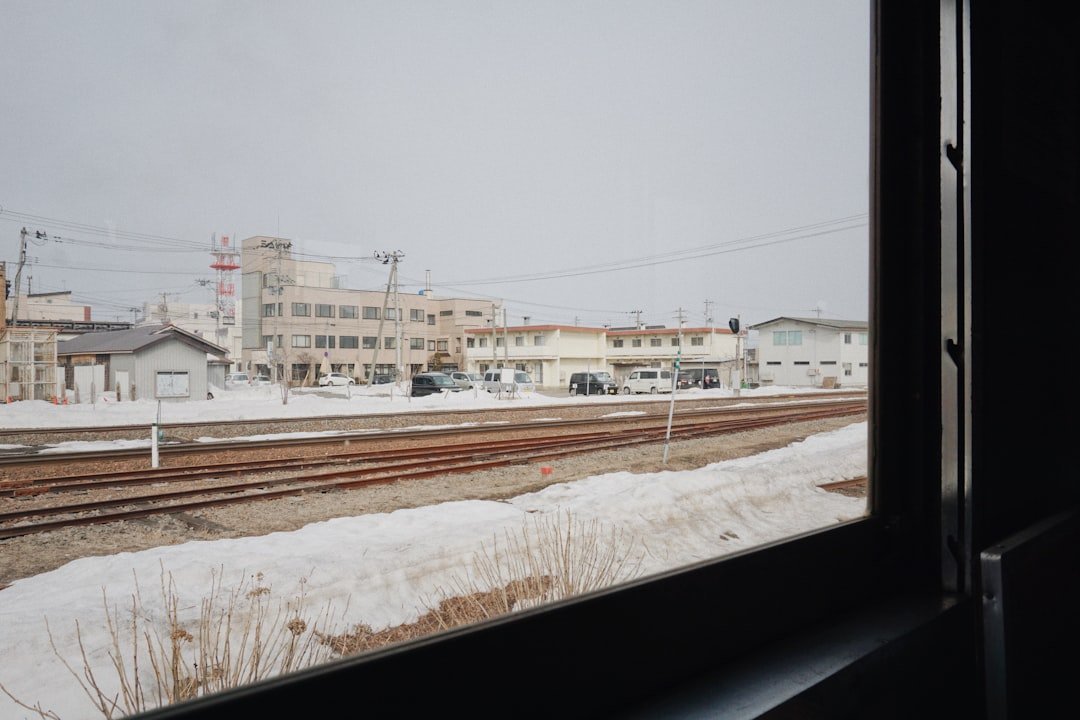
Capturing Winter’s Fury on Film: The Aomori Challenge
Aomori Prefecture holds an extraordinary distinction: it receives more annual snowfall than virtually any other inhabited region globally. For analog photographers drawn to extreme environmental conditions, this northern Japanese city presents both an irresistible subject and a formidable technical challenge that separates casual shooters from dedicated practitioners.
Attempting to document Aomori’s winter landscape using film stock demands far more than standard winter photography preparation. The conditions present here—relentless snowfall, plummeting temperatures, and whiteout scenarios—require photographers to fundamentally rethink their approach to exposure metering, equipment maintenance, and post-capture processing workflows.
Environmental Hazards for Film and Equipment
The primary concern when shooting analog in such extreme snow environments extends beyond typical cold-weather considerations. Film emulsion becomes increasingly brittle as temperatures drop, making handling more delicate. Battery-dependent light meters suffer performance degradation, and mechanical shutters may experience sluggish operation despite their theoretical reliability in cold conditions.
Equally problematic is condensation management. Bringing cold camera bodies into heated spaces creates moisture that can damage internal mechanisms and compromise lens coatings. Professional workflow requires meticulous attention to temperature acclimatization and protective equipment.
Strategic Film Selection and Exposure Considerations
Choosing appropriate film stocks becomes critical in Aomori’s demanding conditions. The perpetual overcast skies and reflective snow create unique exposure challenges. Many photographers discover that ISO 400 films offer optimal balance between sensitivity and grain characteristics, though faster stocks may prove necessary during severe weather events.
Metering snow-dominated scenes presents another layer of complexity. Reflected-light readings consistently underexpose due to snow’s high reflectivity, requiring experienced photographers to apply substantial exposure compensation—typically 1.5 to 2 stops above meter recommendations. This becomes increasingly critical when working with limited dynamic range films.
Building Custom Scanning and Processing Systems
Perhaps most distinctively, serious Aomori film photographers often construct personalized digitization workflows rather than relying on commercial lab standards. This approach allows customization for the specific characteristics of snow-heavy imagery, where traditional scanner profiles may struggle with highlight detail preservation and color cast correction.
Developing a proprietary scanning system demands technical knowledge spanning film handling, digital imaging principles, and color science. The investment pays dividends through superior tonal rendition and improved shadow detail recovery—critical elements when photographing snow-laden landscapes where subtle gradations matter aesthetically.
The Philosophical Dimension
Ultimately, winter film photography in Aomori transcends technical exercise. The endeavor becomes transformative—photographers either produce genuinely compelling imagery that justifies the effort, or extract invaluable operational knowledge about their equipment, creative vision, and personal limitations under duress.
The extreme conditions act as a crucible, forcing deliberate decision-making at every step. This intentionality, by necessity, often elevates the resulting work above casual documentation into something more resonant and considered. For photographers genuinely committed to analog practice, Aomori’s legendary snowfall represents not a deterrent but an invitation to pursue their craft at its most demanding—and rewarding.