Building a Foundation for Wedding Photography Success
Entering the wedding photography industry demands careful preparation and strategic equipment selection. Your inaugural assignment represents a critical inflection point in your professional trajectory. Unlike studio work or editorial assignments, wedding coverage offers no opportunity for reshoots or do-overs. Every moment you capture—or fail to capture—becomes part of an irreplaceable historical record for your clients.
The financial and reputational stakes of wedding photography cannot be overstated. Clients invest substantial resources in hiring a photographer, entrusting you with the visual documentation of one of life’s most significant celebrations. Equipment failures, missed shots due to inadequate gear, or poor technical execution during your initial projects can severely damage your professional reputation before you’ve established yourself in this competitive field.
The Minimal Kit Philosophy
Experienced wedding photographers often advocate for a deliberately restrained approach to gear selection. Rather than accumulating every lens, filter, and accessory available, seasoned veterans recommend curating a compact, reliable arsenal of essentials. This philosophy prioritizes dependability over quantity, ensuring that every piece of equipment serves a distinct, irreplaceable function.
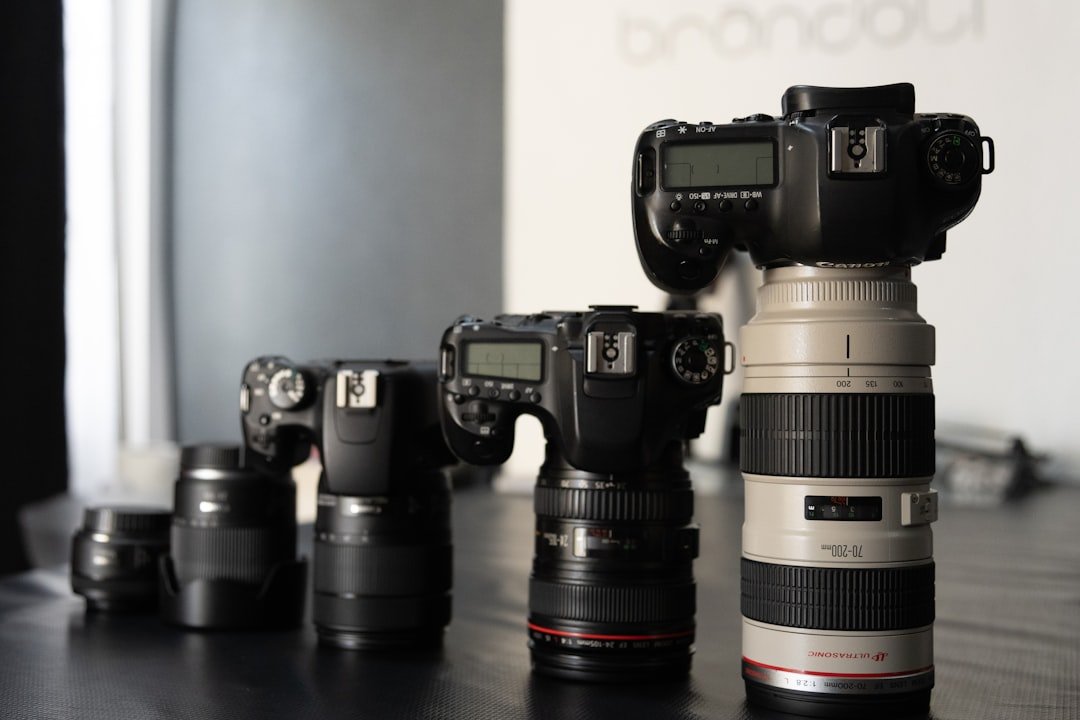
The foundation of any wedding photographer’s kit typically includes multiple camera bodies, offering redundancy that protects against technical failures during critical moments. Fast-aperture lenses remain indispensable, particularly for capturing intimate details and navigating dimly lit venues. Memory cards and backup power solutions represent non-negotiable components—data loss during an assignment constitutes a professional catastrophe with irreversible consequences.
Strategic Equipment Decisions
Rather than purchasing expensive specialty gear, focus initial investments on robust, versatile equipment capable of performing reliably under diverse conditions. Professional-grade bodies from established manufacturers provide weatherproofing and durability essential for navigating unpredictable shooting environments. Prime lenses offer optical quality and low-light performance that justify their prominence in professional kits, while versatile zoom lenses provide practical flexibility throughout the event timeline.
Lighting equipment deserves particular consideration. Even naturally well-lit venues benefit from supplemental flash, particularly during reception dancing and dimly-lit evening ceremonies. Reflectors and diffusers offer cost-effective alternatives to elaborate lighting rigs while providing substantial creative control over ambient light management.
Beyond Equipment Selection
While gear selection matters significantly, your technical proficiency, client communication skills, and artistic vision ultimately determine your success. Equipment functions as a tool enabling your creative vision, not as a substitute for photographic knowledge or interpersonal abilities. Thoroughly test all gear before your assignment, understanding its operational characteristics and potential limitations under various conditions.
Develop comprehensive backup plans addressing potential equipment failures. Carry extra batteries, memory cards, and backup lenses. Establish contingency procedures for addressing technical issues without compromising image capture. Professional liability and equipment insurance provide additional protection against unforeseen circumstances.
Your first wedding assignment establishes the foundation for your professional trajectory. Thoughtful equipment planning, combined with technical mastery and client-focused service, positions you for sustained success in this demanding yet rewarding photographic specialty.