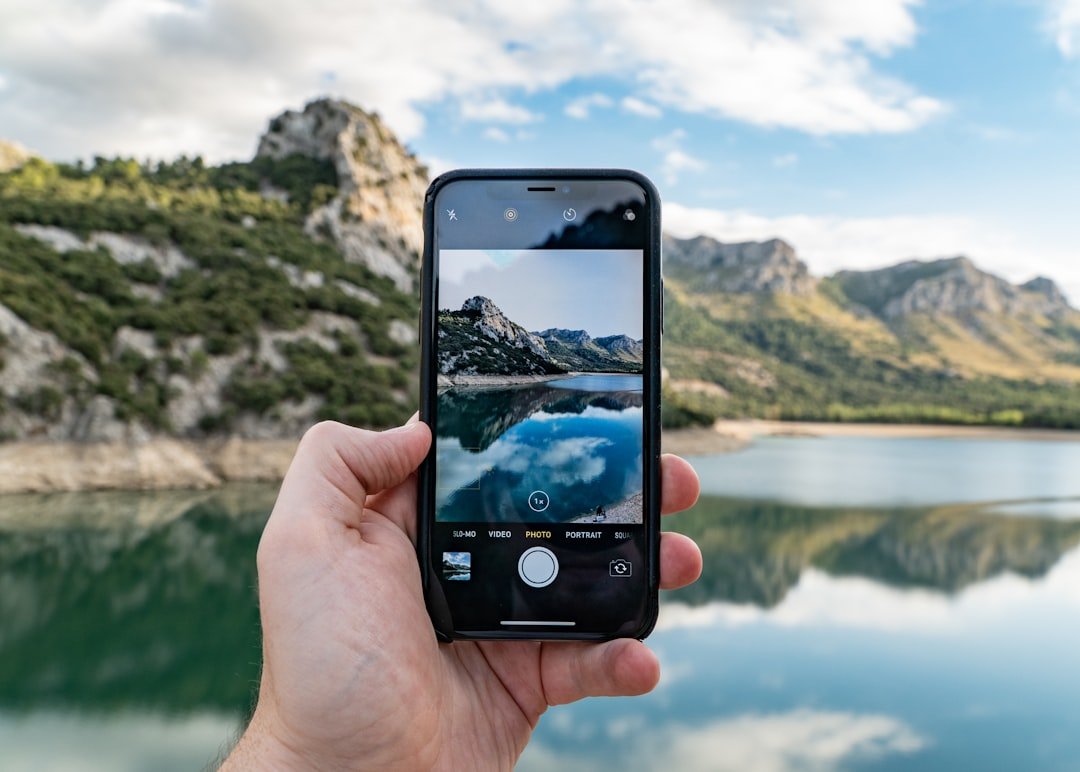
Apple’s Latest Mobile OS Raises the Bar for Mobile Photography
The upcoming iOS 27 release, launching this autumn, represents a significant milestone in Apple’s commitment to mobile imaging. After navigating through several iterations and refinements, the tech giant has assembled an impressive arsenal of computational photography capabilities that promise to reshape how creators capture and refine their work.
The software update introduces substantial enhancements across the entire photographic workflow. Beyond the anticipated artificial intelligence integration—drawing on advanced machine learning architecture similar to competing solutions—iOS 27 places particular emphasis on tools that professional and enthusiast photographers actively use.
Reimagined Image Capture and Processing
Having examined the developer preview build firsthand, the improvements in photo acquisition and post-production functionality stand out as particularly compelling. The platform delivers streamlined editing workflows that address pain points photographers have encountered in previous versions. These enhancements suggest Apple has carefully listened to feedback from its creative user base.
The revamped virtual assistant receives substantial computational upgrades, incorporating advanced natural language processing that enables more intuitive interaction with imaging functions. This foundational improvement trickles throughout the camera application, making complex adjustments feel more accessible to users of varying skill levels.
What This Means for Content Creators
For the imaging community, these developments carry tangible implications. The intersection of artificial intelligence and mobile photography continues narrowing the capability gap between professional cameras and smartphones. iOS 27’s latest iteration accelerates this convergence further, potentially influencing how photographers allocate their equipment investments.
The software emphasizes non-destructive editing capabilities, allowing creators to experiment with adjustments while preserving original image data. This approach aligns with industry standards familiar to professional workflows, making the transition from desktop editing platforms more seamless.
The competitive landscape matters here. As mobile platforms increasingly incorporate sophisticated computational techniques, photographers benefit from choice and innovation. iOS 27 demonstrates Apple’s determination to maintain leadership in this rapidly evolving space, investing heavily in features that address real-world creative requirements.
Early Impressions and Expectations
Initial testing of the developer build reveals thoughtful refinements throughout the image processing pipeline. Performance improvements suggest the development team prioritized speed without sacrificing quality—a challenging balance that previous iterations sometimes struggled to achieve.
The integration of advanced algorithms throughout the photographic process indicates Apple’s strategic focus on automation without eliminating creative control. This distinction matters significantly to serious photographers who appreciate computational assistance while maintaining artistic direction over their final images.
Whether you’re documenting professional assignments, building a personal visual portfolio, or exploring mobile photography as an artistic medium, iOS 27’s expanded capabilities warrant attention. The fall release timeline provides adequate opportunity for comprehensive testing before the software reaches general availability.
As mobile technology continues advancing at an accelerating pace, updates like iOS 27 remind us why smartphones have become legitimate primary cameras for many contemporary visual creators. The line between specialized equipment and everyday technology blurs further with each iteration.