Does Premium Gear Justify the Investment? A Hands-On Comparison
The portrait photography market presents an interesting paradox: while exceptional images have been captured with entry-level equipment, professional-grade setups command premium pricing that can exceed $6,000 for a complete system. Understanding whether this substantial financial investment translates into measurably superior results remains a persistent question among both aspiring and established photographers.
Photographer James Reader undertook a practical evaluation of two distinct Canon-based portrait configurations, one positioned at the budget-conscious end of the spectrum around $1,000 and another representing a full professional investment nearing $6,000. His comparative analysis sought to illuminate whether the significant price differential manifests in tangible image quality differences when applied to genuine portraiture scenarios.
The Setup Breakdown
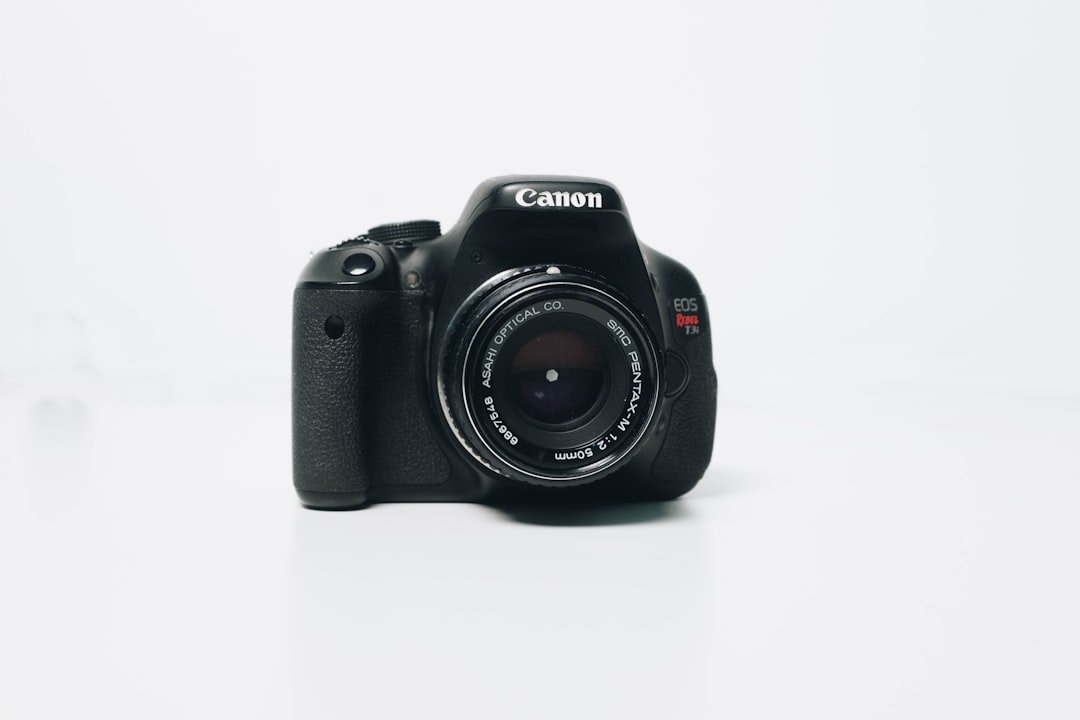
Budget-conscious portrait photographers often assemble functional kits leveraging entry-level Canon bodies paired with accessible optics and basic lighting solutions. These configurations typically emphasize value without sacrificing fundamental capabilities necessary for portraiture fundamentals like shallow depth-of-field and adequate low-light performance.
Conversely, professional-grade assemblies incorporate flagship Canon bodies, premium-tier lenses featuring advanced optical coatings and superior build construction, alongside robust lighting infrastructure. These systems represent accumulated investments in glass longevity, autofocus precision, and dynamic range capabilities that accumulate across multiple product tiers.
Visual Analysis and Practical Implications
The critical question Reader’s methodology addressed centered on perceptual differences in final deliverables. Contemporary sensor technology has democratized image quality substantially—modern entry-level and mid-range cameras produce technically sound photographs that meet professional standards in many contexts. Where divergence becomes apparent involves edge cases: extreme lighting conditions, rapid shooting sequences, color accuracy demands, and sustained professional workloads.
Professional equipment demonstrates advantages in construction durability, autofocus responsiveness, and dynamic range flexibility. Premium lenses deliver superior optical correction and consistent performance across their focal ranges. Professional bodies offer redundancy features, weather sealing, and processing speeds that facilitate high-volume commercial shooting scenarios.
The Real-World Takeaway
Reader’s analysis suggests that while professional configurations produce measurably superior results in technical metrics, the practical visual distinction diminishes when photographers work deliberately with appropriate technical settings. Well-executed portraiture depends substantially on lighting technique, posing direction, and compositional choices—variables independent of equipment investment levels.
Emerging photographers benefit from understanding that exceptional portraits remain achievable with modest budgets, provided fundamental principles receive priority over specification sheets. However, professionals managing high-volume bookings or complex commercial requirements derive tangible operational advantages from professional-tier investments.
The optimal equipment choice depends fundamentally on professional trajectory and shooting demands. Budget setups serve admirably for portfolio development and client acquisition phases, while career advancement and specialized commercial work increasingly favor professional infrastructure investments.