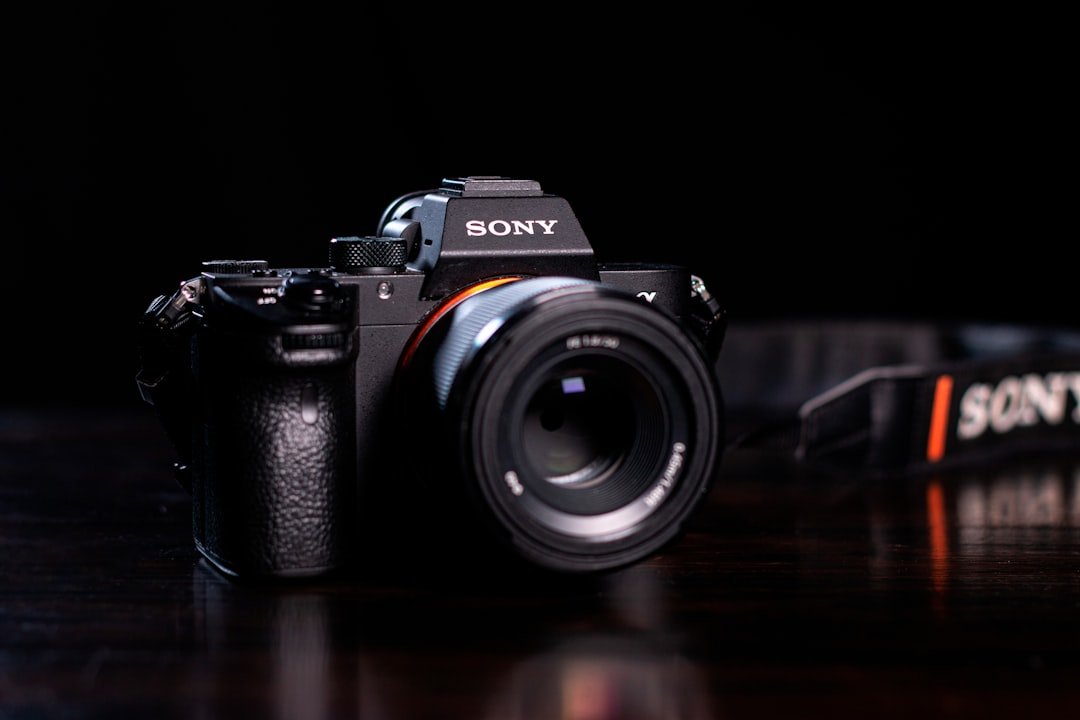
A New Standard in Full-Frame Imaging
Sony has pushed the boundaries of what professional photographers can expect from a full-frame digital camera with the introduction of the a7R VI. This flagship model establishes a new benchmark for resolution in the category, featuring an impressive 66.8-megapixel sensor that fundamentally changes the conversation around imaging capabilities and practical camera needs.
The advancement goes well beyond simply increasing pixel count. The engineering team at Sony implemented a stacked sensor architecture—a sophisticated design approach that integrates multiple layers of circuitry beneath the image-capturing surface. This technical innovation forms the foundation that unlocks the camera’s most compelling performance attributes.
Performance That Defies Expectations
What truly distinguishes the a7R VI is its ability to harness such extreme resolution without sacrificing operational speed. The stacked sensor design permits the camera to maintain continuous autofocus tracking and deliver continuous shooting at an astonishing 30 frames per second. Perhaps most notably, photographers gain a completely unobstructed live view experience through the electronic viewfinder—no blackout intervals between frames, even when capturing at maximum resolution.
This combination of specifications represents a significant leap forward in technological capability. Previous generations of high-resolution cameras required photographers to make compromises: choose speed or resolution, or accept viewfinder blackout during rapid shooting sequences. The a7R VI eliminates these traditional trade-offs.
Practical Implications for Professional Work
The 66.8-megapixel resolution opens new possibilities for editorial, commercial, and fine art photographers. This pixel density provides substantial flexibility in post-processing, allowing for aggressive cropping while maintaining sufficient resolution for publication-quality output. The stacked sensor architecture also contributes to improved light sensitivity and reduced heat generation during extended shooting sessions—practical benefits that enhance reliability during demanding assignments.
The continuous autofocus capability at full resolution and 30fps performance transforms workflows for photographers covering fast-moving subjects. Wildlife photographers, sports specialists, and event photographers gain the ability to capture decisive moments without technical limitations previously associated with ultra-high-resolution imaging.
Understanding the Trade-offs
Despite its remarkable specifications, the a7R VI demands consideration of practical factors. The massive file sizes generated by 66.8-megapixel captures necessitate substantial storage infrastructure and powerful post-processing systems. Professional users must evaluate whether their complete workflow—from card capacity to backup procedures to editing equipment—can accommodate the data volume this camera produces.
The investment also carries significant financial implications. Premium pricing reflects the advanced sensor technology and engineering sophistication, positioning the a7R VI as a tool primarily suited for serious professionals rather than enthusiast photographers with modest budgets.
The Bigger Picture
Sony’s achievement with the a7R VI underscores an important reality in contemporary camera design: resolution for its own sake matters far less than intelligent implementation. By prioritizing balanced performance alongside megapixel count, Sony has created a system where photographers can finally stop compromising. The question shifts from “how much resolution is enough?” to “what can I accomplish with this capability?”
For serious professionals evaluating their equipment needs, the a7R VI presents a compelling proposition—though success depends on whether your creative vision and professional requirements genuinely benefit from this level of imaging power.