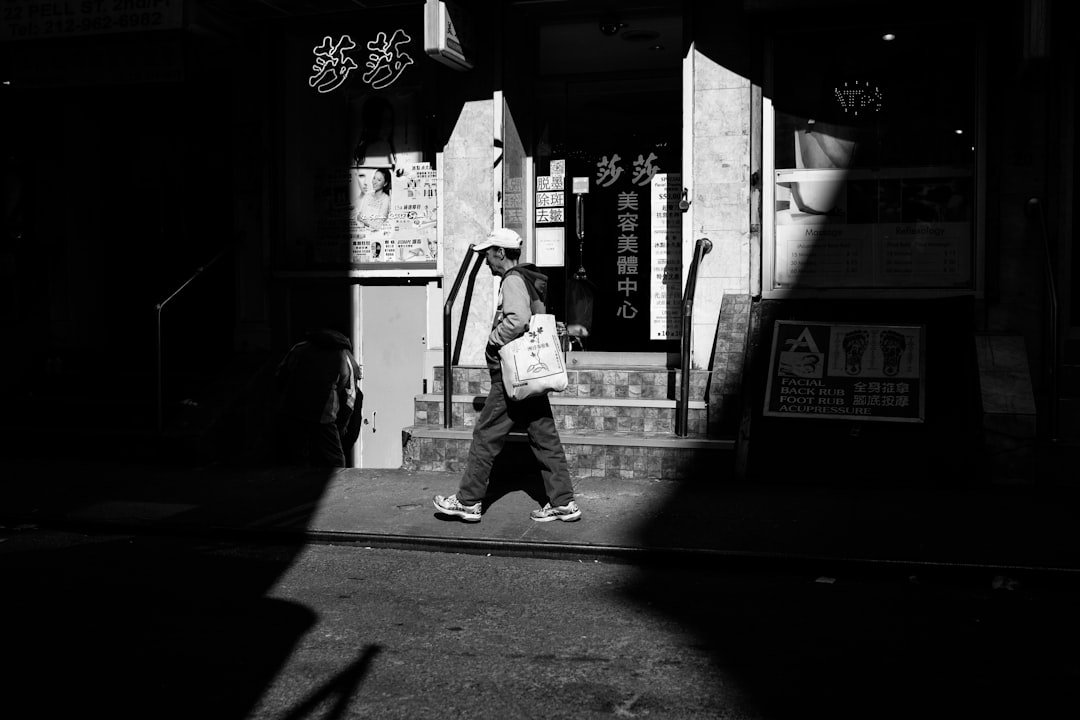
The Hidden Challenge Behind Urban Photography
Street photography presents a deceptively complex technical and creative challenge that often goes unacknowledged in popular discourse. The discipline demands far more than possessing an expensive camera and aesthetic sensibility. Photographer Mike Chudley discovered this truth through personal experience, spending twelve months refining his craft only to realize his output failed to resonate with his artistic vision, despite performing admirably across social media platforms.
This experience highlights a fundamental paradox within visual storytelling: the gap between what photographs look like on screen and what they communicate to the photographer themselves. Chudley’s journey underscores how Instagram metrics—likes, comments, algorithmic reach—often diverge sharply from genuine artistic fulfillment and creative progress.
The Talent vs. Discipline Equation
Most aspiring street photographers possess inherent creative instincts and technical competency, yet struggle with the psychological aspect of their practice. The distinction between naturally gifted practitioners and those who achieve mastery through consistent effort becomes increasingly apparent over extended periods.
Photographers who succeed at the highest levels typically share one characteristic above all: unwavering commitment to their practice. Rather than relying solely on innate abilities, successful practitioners engage in deliberate, repetitive exposure work. They shoot in varying light conditions, experiment with different compositional approaches, and thoughtfully analyze their results against their artistic criteria rather than external validation metrics.
The Critical Self-Assessment Gap
Chudley’s experience reflects a broader industry challenge: the disconnect between technical execution and personal artistic satisfaction. A photograph may possess technically sound exposure, compelling composition, and strong visual hierarchy—all the measurable elements that constitute quality—yet still fail to communicate the photographer’s intended message or emotional resonance.
This discrepancy forces photographers to develop critical evaluation skills beyond conventional technical assessment. Understanding one’s aesthetic preferences, recognizing stylistic patterns, and identifying what truly moves you visually become essential components of professional development. Many practitioners never invest time in this introspective analysis, instead accepting external feedback as their primary metric.
Building Sustainable Practice
The path to meaningful work in street photography requires constructing systems that support consistent output and reflection. Rather than occasional bursts of creative energy, successful photographers establish regular shooting schedules, maintain organized editing workflows, and create frameworks for meaningful self-critique.
Consistency ultimately proves more valuable than raw talent because it builds the experiential foundation necessary for artistic maturity. Each assignment, each shooting session, each editing decision contributes to developing sophisticated visual judgment. Over time, practitioners internalize principles that initially required conscious effort, enabling more intuitive decision-making in the field.
Moving Beyond Surface-Level Success
The social media era has conditioned photographers to prioritize immediate audience feedback, potentially compromising deeper creative exploration. While platform engagement provides useful validation, it shouldn’t supersede personal artistic vision as the primary motivator.
Photographers seeking genuine fulfillment must establish evaluation criteria aligned with their artistic goals rather than algorithmic preferences. This might involve seeking feedback from trusted peer photographers, documenting artistic intentions before reviewing work, or creating personal scoring systems based on technical and conceptual objectives.
Ultimately, Chudley’s experience serves as a valuable cautionary tale: technical competency and social media visibility, while useful, cannot substitute for authentic creative conviction and the willingness to pursue challenging work that truly satisfies your artistic sensibilities.