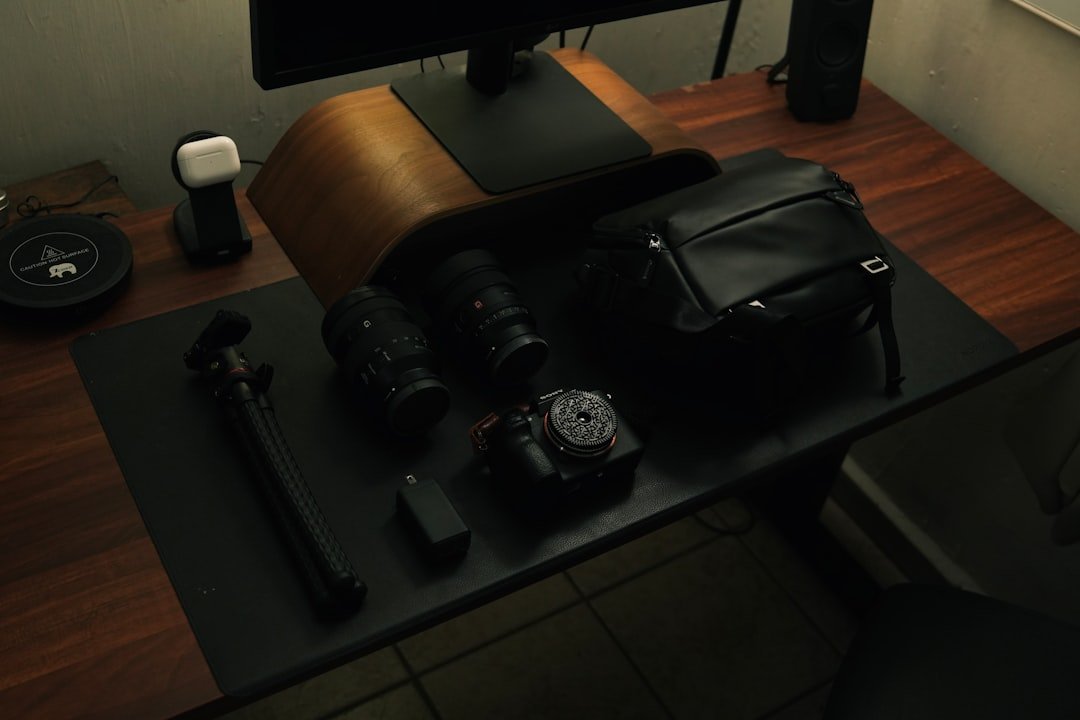
The allure of new camera equipment is undeniable. Every photographer experiences the temptation—that compelling desire to acquire the latest mirrorless body, professional-grade lens, or cutting-edge lighting system. The narrative is seductive: invest in premium gear, and your portfolio will naturally follow.
However, this assumption fundamentally misunderstands what drives photographic excellence.
Understanding Gear Acquisition Syndrome
Within the photography community, enthusiasts have coined a term for this persistent urge: GAS (Gear Acquisition Syndrome). It’s the psychological phenomenon where photographers convince themselves that owning superior equipment will directly translate to superior images. While the desire is universal—budgetary constraints often prevent most practitioners from pursuing every technological advancement—the underlying psychology remains consistent across all experience levels.
The fantasy is intoxicating. Professionals and hobbyists alike fall prey to it: acquiring that sought-after telephoto lens, that revolutionary camera body, or that specialized accessory will finally unlock their creative potential.
The Real Determinants of Photographic Quality
Decades of industry experience reveal an uncomfortable truth: equipment represents only a fraction of what separates exceptional photographers from mediocre ones. Technical mastery of composition, lighting theory, color grading, and post-processing skills demonstrate far greater correlation with outstanding results than camera specifications alone.
Consider this: iconic photographs throughout history emerged from photographers working within significant technical limitations. These artists understood their equipment intimately and maximized its capabilities rather than perpetually seeking upgrades. Contemporary professionals frequently produce award-winning work using mid-range equipment because their foundational skills supersede their tools.
Where Investment Actually Matters
Strategic equipment purchases do hold value—but only when addressing genuine technical limitations. A wedding photographer struggling with low-light performance might legitimately benefit from a faster lens or more sensitive camera body. A studio professional requiring specific color accuracy could justify a calibrated monitor. These represent targeted solutions to documented problems, not speculative purchases.
Building Sustainable Practice
Rather than channeling resources toward perpetual equipment acquisition, photographers accelerate their development through deliberate practice, continued education, and mastery of existing tools. Online courses, mentorship programs, portfolio critique sessions, and systematic experimentation yield measurable improvements in technical execution and creative vision.
The photographer constrained by budget often possesses an advantage: necessity breeds innovation. Working within equipment limitations encourages problem-solving, creative improvisation, and deeper understanding of fundamental principles. These constraints frequently catalyze exceptional work.
A Balanced Perspective
This isn’t an argument against upgrading equipment when genuinely warranted. Rather, it’s a reality check about expectations surrounding such purchases. New gear represents merely one variable in a complex equation encompassing vision, technique, post-production expertise, and artistic sensibility.
The next time you encounter that irresistible urge to upgrade, pause and evaluate honestly: does this acquisition address a specific, documented limitation, or does it reflect hope that equipment will compensate for underdeveloped skills? The answer often proves illuminating and redirects energy toward investments with genuine long-term returns on your photographic journey.