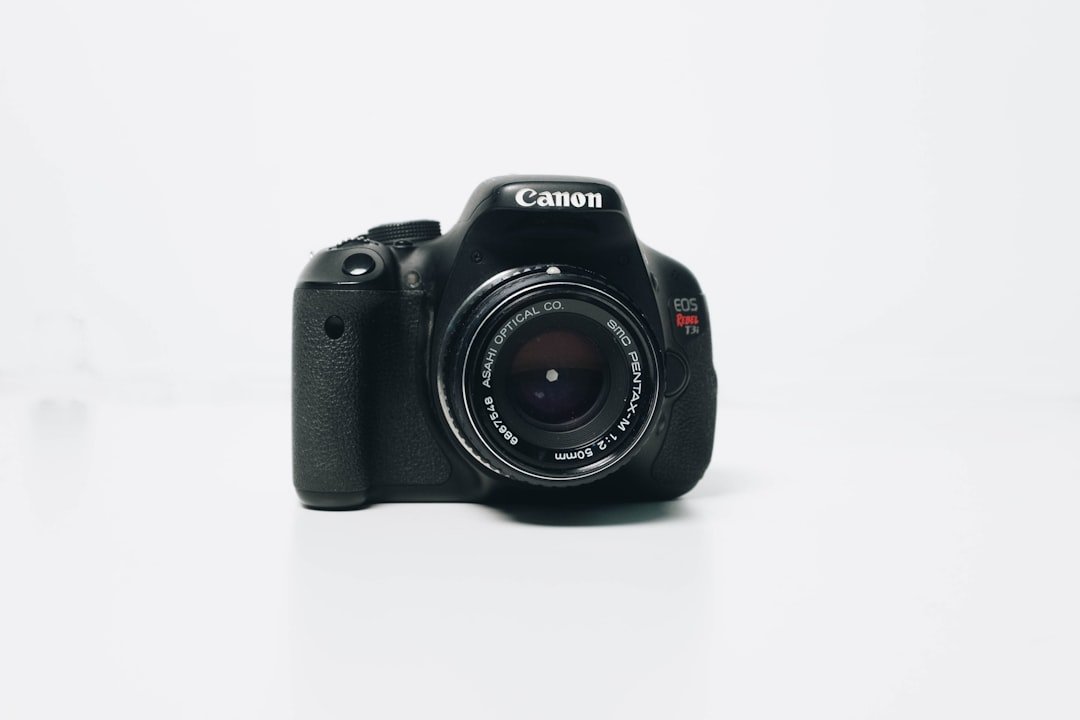
The Unexpected Resurgence of Dedicated Compact Photography
The photography industry is witnessing an unexpected turnaround that has caught many manufacturers off their guard. Compact cameras, long considered relics of a bygone era, are experiencing genuine renewed enthusiasm from consumers worldwide. What was once a fading product category is now witnessing inventory shortages, escalating retail prices, and major manufacturers reconsidering their strategic exit from this market segment.
This remarkable shift reflects changing consumer preferences and a fundamental reassessment of what digital imaging tools can accomplish. A generation of photographers who developed their craft primarily through smartphone cameras are now seeking alternatives that offer greater intentionality, distinctive aesthetic character, and photographic capabilities that mobile devices simply cannot replicate.
Understanding the Modern Compact Camera Value Proposition
Today’s premium compact cameras justify their existence by delivering superiority in one or more critical dimensions. First, superior sensor technology and optical engineering enable these devices to capture images with greater detail, dynamic range, and color accuracy than contemporary smartphones. Second, advanced zoom capabilities provide optical reach that extends far beyond what pocket-sized mobile devices can achieve. Third, specialized video recording features and codec options appeal to content creators requiring cinematic flexibility and post-production versatility.
Beyond technical specifications, however, lies perhaps the most important factor: the tangible, tactile experience of deliberate photography. These instruments feel purposeful in hand, present distinctive visual designs that reflect their photographic pedigree, and encourage a more considered approach to image-making. This psychological dimension has proven surprisingly powerful in the marketplace, appealing to photographers fatigued by the ubiquitous sameness of smartphone aesthetics and functionality.
Market Dynamics Reshaping the Category
The resurgence represents more than mere nostalgia. Manufacturers have dramatically improved compact camera capabilities while maintaining their portable form factors. Contemporary models integrate cutting-edge sensor technology, computational photography algorithms, and connectivity features that were unimaginable in earlier generations. Yet they retain the mechanical satisfaction and optical purity that dedicated cameras provide.
The demographic driving this revival deserves examination. Younger photographers who grew up documenting their lives through mobile devices increasingly crave something different—instruments that feel authentic, look distinctive in style, and demand active participation rather than algorithmic automation. They’re willing to invest in devices that represent a deliberate departure from smartphone photography conventions.
What This Means for Photography Enthusiasts
For photographers considering whether a premium compact camera deserves space in their kit, the current market offers genuine options. The competitive landscape is expanding, prices reflect renewed demand, and manufacturers are innovating with newfound confidence in this category’s viability. Whether prioritizing sensor performance, telephoto capabilities, video specifications, or the irreplaceable satisfaction of using a beautifully engineered instrument, photographers will find compelling alternatives to their smartphones.
This renaissance signals a broader truth within photography: the tools we select reflect our intentions and values. As technology becomes increasingly homogeneous across consumer devices, dedicated imaging instruments offer an alternative vision—one centered on deliberate creation, optical excellence, and the pure pleasure of making photographs.