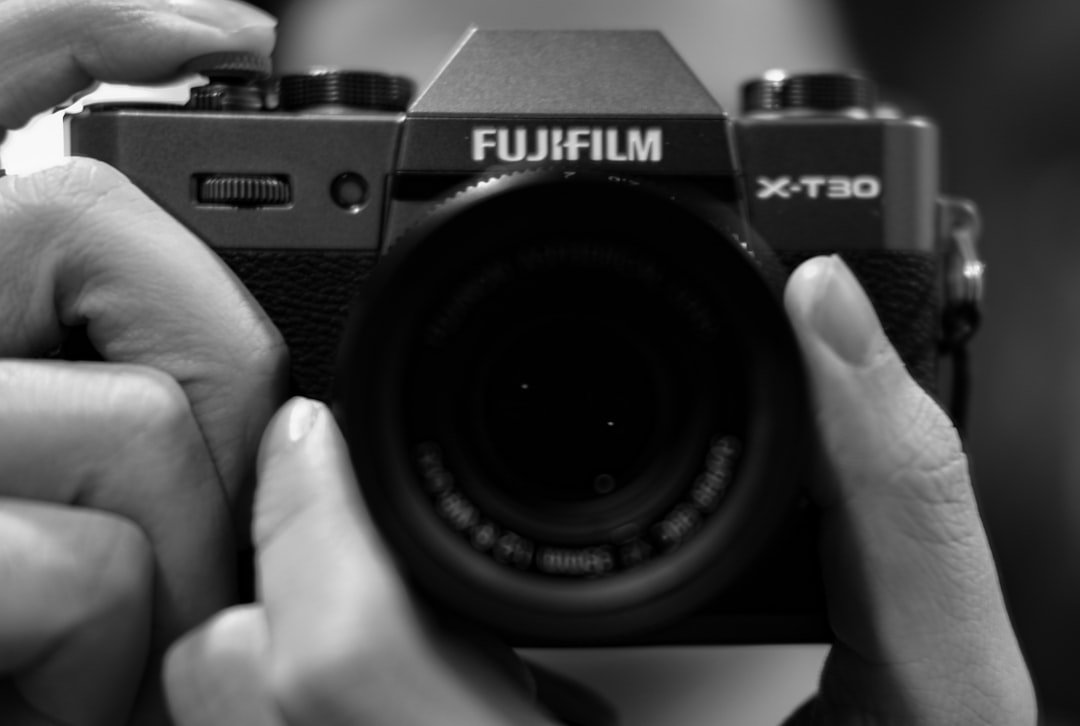
Living With APS-C: A Global Perspective on Fujifilm’s X Series
The perpetual conversation surrounding crop-sensor viability in professional photography continues to generate heated debate within the industry. Yet experienced practitioners working at the highest levels often tell a different story than pixel-counting enthusiasts online. Andy Mumford’s extensive experience deploying Fujifilm’s X-series equipment across multiple continents over the past 11 years provides valuable real-world insight into this ongoing discussion.
Since its inception, Fujifilm’s X system has quietly established itself as a formidable tool for landscape photographers who demand both technical excellence and practical reliability. What distinguishes this platform isn’t flashy marketing or specification sheets, but rather its consistent performance when deployed in the field under challenging conditions. Mumford’s career trajectory—spanning a decade-plus of professional image creation—offers the kind of longitudinal perspective that carries genuine weight in technical discussions.
The Case for APS-C in Landscape Work
Contemporary digital imaging technology has fundamentally shifted what constitutes viable professional equipment. Full-frame sensors maintain their advantages, particularly in extreme low-light scenarios and maximum print dimensions. However, the practical constraints that once made smaller sensors problematic have largely dissolved. Modern APS-C implementations deliver outstanding image quality, dynamic range, and detail resolution that satisfy demanding editorial and commercial clients.
The X system’s particular strength lies in its thoughtful optical engineering. Fujifilm’s lens lineup—developed specifically for APS-C dimensions rather than retrofitted—yields exceptional optical performance without unnecessary size or cost penalties. This fundamental design philosophy throughout the system creates an ecosystem where every component works in concert rather than representing compromises.
Fieldwork Across Continents
Operating a camera system across five continents presents genuine stress testing no laboratory could replicate. Equipment must function reliably in extreme temperatures, humidity variations, and dust-laden environments. It must withstand the physical demands of extended location work while maintaining ergonomic efficiency when carrying capacity matters. Mumford’s global portfolio demonstrates that this particular system not only survived but thrived under these authentic professional conditions.
The conversation around sensor size often overlooks the practical realities that working photographers face. Weight considerations, battery efficiency, weather sealing reliability, and autofocus performance under challenging lighting all significantly impact daily operations. The X system’s comprehensive approach to these practical concerns deserves consideration alongside purely technical specifications.
Moving Beyond Specifications
Professional photography rarely hinges upon equipment hitting theoretical maximums. Instead, success depends on tools that perform consistently, integrate seamlessly with workflow requirements, and allow photographers to concentrate on compositional and creative decisions rather than technical limitations.
Mumford’s perspective, grounded in genuine professional experience rather than theoretical analysis, contributes meaningfully to conversations often dominated by specification comparisons. His insights suggest that photographers seeking landscape-focused solutions should evaluate actual performance records rather than dismissing entire categories based on sensor designation alone.
For those considering their equipment investments, examining how established professionals have solved real challenges often proves more valuable than absorbing marketing narratives or engaging with endless online debates.