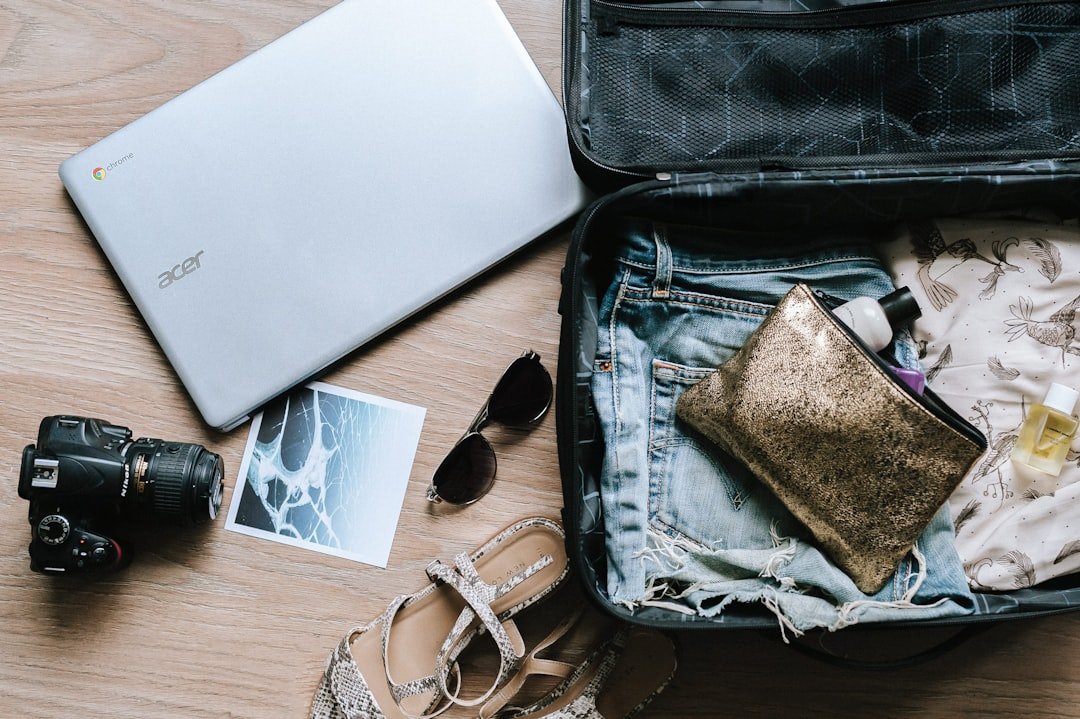
The photography industry faces a significant shift in 2026 as major airlines implement stricter enforcement of carry-on baggage policies. What was once a relatively lenient standard—where camera bags frequently slipped through security checkpoints without scrutiny—is now becoming a rigorously monitored regulation.
The Enforcement Shift
Airlines are pivoting toward more consistent dimensional and weight restrictions at boarding gates. This systematic approach marks a departure from the inconsistent enforcement practices that have characterized air travel for the past several years. While casual travelers might view this as a minor inconvenience, professional photographers and content creators face genuine logistical challenges when packing essential imaging equipment.
Why This Matters for Imaging Professionals
Camera gear presents a unique packing dilemma compared to standard luggage. Photographic equipment—comprising lenses, camera bodies, lighting rigs, tripods, and accessories—creates an exceptionally dense mass in a compact footprint. Unlike clothing or generic travel items, camera bags cannot be compressed or redistributed to meet airline specifications without compromising functionality or risking equipment damage.
A typical professional imaging kit easily exceeds standard carry-on weight limits while maintaining relatively modest external dimensions. This paradox places photographers in an awkward position: their most crucial operational tools may no longer qualify for cabin storage under tightened regulations.
Adaptation Strategies for Photographers
Consider specialized travel cases: Manufacturers now produce purpose-built camera bags designed specifically to maximize compliance with airline restrictions while protecting sensitive equipment. These engineered solutions prioritize distribution of weight and optimize dimensional footprints.
Evaluate insurance options: Professional equipment coverage has evolved significantly. Comprehensive imaging insurance can provide financial protection if gear must be checked and sustains damage during transport.
Plan strategic distribution: Distribute camera equipment across multiple bags and parcels where feasible. Personal items often face less scrutiny than primary carry-on luggage, offering potential workarounds.
Invest in weight-conscious gear: The mirrorless camera revolution has created lighter alternatives to traditional DSLR systems. Evaluating whether to transition to lighter-weight platforms could provide long-term benefits for traveling shooters.
Negotiate with airlines: Professional photographers may qualify for equipment exemptions through business accounts or premier frequent-flyer status. Proactive communication with airlines before travel can clarify policy interpretations.
Looking Ahead
The 2026 enforcement tightening represents a broader industry trend toward standardization and accountability in baggage policies. Rather than viewing this as purely restrictive, photographers might leverage this moment to reassess their travel workflows and invest in solutions that balance compliance with operational necessity.
Industry organizations and gear manufacturers are likely to respond with innovative solutions designed specifically for this emerging regulatory landscape. Forward-thinking photographers who adapt now will establish efficient travel protocols that remain sustainable for years to come.