Why Inclement Weather Creates Compelling Street Narratives
Photographers often dismiss rainy conditions as obstacles to their craft, yet meteorological challenges present unique compositional opportunities that sunny days simply cannot replicate. When precipitation saturates urban landscapes, it fundamentally transforms how light interacts with surfaces, people, and architectural elements—creating visual narratives that demand a fresh creative approach.
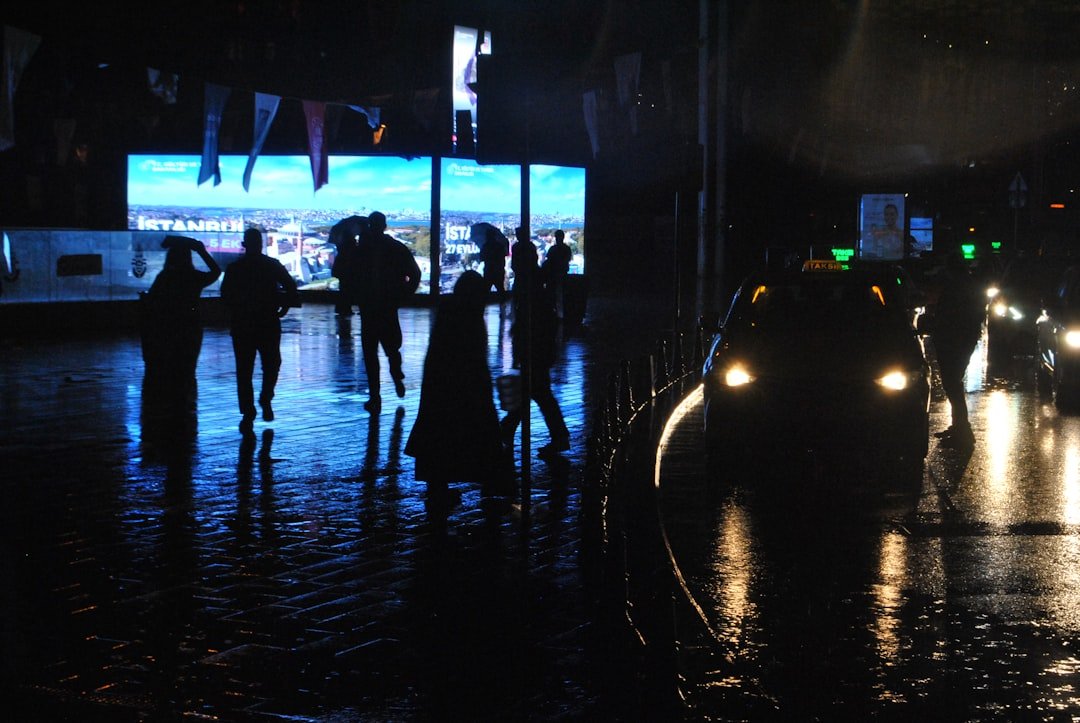
Cities like Hong Kong exemplify how tropical downpours can elevate street photography from ordinary documentation to compelling visual storytelling. During intense rainfall events, the urban environment transforms into a dynamic stage where multiple visual elements converge: the reflective properties of wet pavement create mirror-like surfaces that double compositional depth, pedestrians carrying umbrellas introduce geometric shapes and color variation, vehicular traffic generates layered complexity, and human behavior shifts noticeably.
The Psychological Shift in Urban Subjects
One of the most significant advantages of shooting during heavy precipitation involves subject awareness. When individuals navigate through challenging weather, their cognitive focus narrows considerably—they concentrate on maintaining balance, protecting themselves from elements, and reaching shelter. This psychological preoccupation makes them less self-conscious about camera presence, allowing photographers to capture authentic moments rather than posed expressions. Street photographers benefit from this natural reduction in performative behavior, yielding images with genuine emotional resonance.
Technical Considerations for Wet Weather Operations
Successfully executing street photography during rainfall requires practical planning. Equipment protection becomes paramount—weatherproof housings, protective filters, and microfiber cloths should accompany your camera gear. Fast lenses with wider apertures prove invaluable in low-light conditions that accompany storms, while weather-sealed camera bodies provide essential durability. Many professionals opt for prime lenses, which offer superior weather resistance compared to complex zoom mechanisms.
Exposure metering demands adjustment in wet conditions. Rain-soaked surfaces and dark skies typically reduce available light by multiple stops, necessitating either increased ISO sensitivity or slower shutter speeds. Understanding your camera’s metering modes—particularly spot metering—helps prevent underexposed frames when compositional elements include both bright highlights and shadowed areas.
Compositional Advantages of Precipitation
Reflections present perhaps the most visually distinctive benefit of rainy-day shooting. Puddles, wet pavement, and windows become secondary compositional planes, allowing photographers to layer subjects and create depth within single frames. This reflective quality adds sophisticated visual complexity that distinguishes weathered compositions from conventional street work.
Additionally, rainfall introduces atmospheric quality that enhances mood and narrative. Mist and water droplets soften focus naturally, create vignetting effects, and establish emotional tone—melancholy, contemplative, or dynamic—depending on execution.
Embracing Weather as Creative Asset
Rather than viewing inclement conditions as impediments, experienced street photographers recognize meteorological variations as creative catalysts. The combination of environmental drama, psychological shifts in human behavior, technical challenges, and enhanced visual properties transforms rainy days into opportunities for producing distinctive, memorable imagery that stands apart from predictable fair-weather photography.