Advanced Imaging Sensor Brings Professional-Grade Performance to Mobile Cinematography
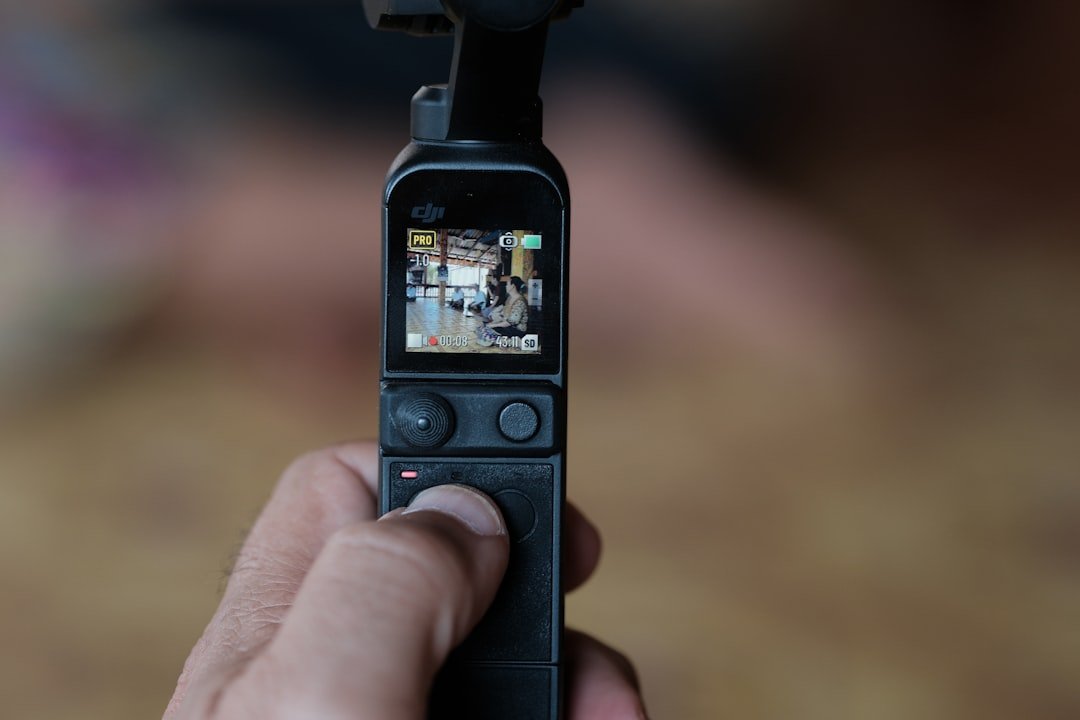
The recently unveiled DJI Osmo Pocket 4P is generating significant buzz among cinematographers and content creators, particularly following hands-on evaluations by industry experts. While the device’s official global launch remains forthcoming, technical reviewers have gained early access to evaluate the system’s capabilities, revealing impressive advancements in compact gimbal camera technology.
At the heart of this dual-lens stabilization system lies the innovative LOFIC sensor, representing a substantial leap forward in miniaturized imaging technology. This next-generation sensor delivers visual quality that rivals traditional full-frame camera systems, a remarkable achievement for a device designed for portability and ease of use.
Bridging the Gap Between Convenience and Image Quality
The distinction between prosumer gimbal cameras and professional cinema equipment has traditionally centered on sensor capabilities and resulting image fidelity. The Pocket 4P appears to challenge this conventional wisdom by employing sophisticated imaging architecture that narrows the performance gap considerably.
For independent filmmakers, travel documentarians, and hybrid content creators who juggle multiple production demands, this technological convergence carries significant implications. The ability to capture broadcast-quality footage from a device that fits in a jacket pocket represents a meaningful shift in production workflows and equipment decisions.
Engineering Precision in Motion Stabilization
Beyond sensor technology, the Pocket 4P’s dual-lens architecture addresses compositional flexibility without compromising stabilization performance. This design philosophy reflects DJI’s continuing commitment to refining gimbal camera systems for both casual users and serious production professionals.
The integration of cutting-edge sensor technology with sophisticated mechanical stabilization creates a compelling proposition for creators seeking reliability and visual excellence without the complexity of traditional cinema rigs. The early testing period has yielded promising observations regarding dynamic range, color reproduction, and low-light performance—critical metrics for any imaging system intended for professional applications.
Market Positioning and Production Implications
Currently available through selected channels with full market expansion expected, the Pocket 4P enters a landscape increasingly defined by creator-focused tools offering professional capabilities. As content production continues fragmenting across multiple platforms and formats, devices delivering consistent quality regardless of conditions become increasingly valuable to production teams.
The LOFIC sensor’s performance characteristics suggest that equipment decisions previously based solely on form-factor compromises might now prioritize optical and sensor specifications more equally. This recalibration could reshape how independent productions approach their technology investments.
Technical specifications and performance data from preliminary evaluations indicate that the Pocket 4P positions itself as a meaningful alternative to larger, less portable systems for specific production scenarios. Whether documenting travel, capturing event coverage, or producing social content requiring cinematic aesthetics, the device’s capabilities warrant serious consideration among professionals seeking balanced solutions.
As the industry digests these technological advancements, the Pocket 4P’s market reception will likely establish benchmarks for compact gimbal camera expectations moving forward. The convergence of sensor performance with mechanical precision continues reshaping perceptions about what portable cinematography can achieve.