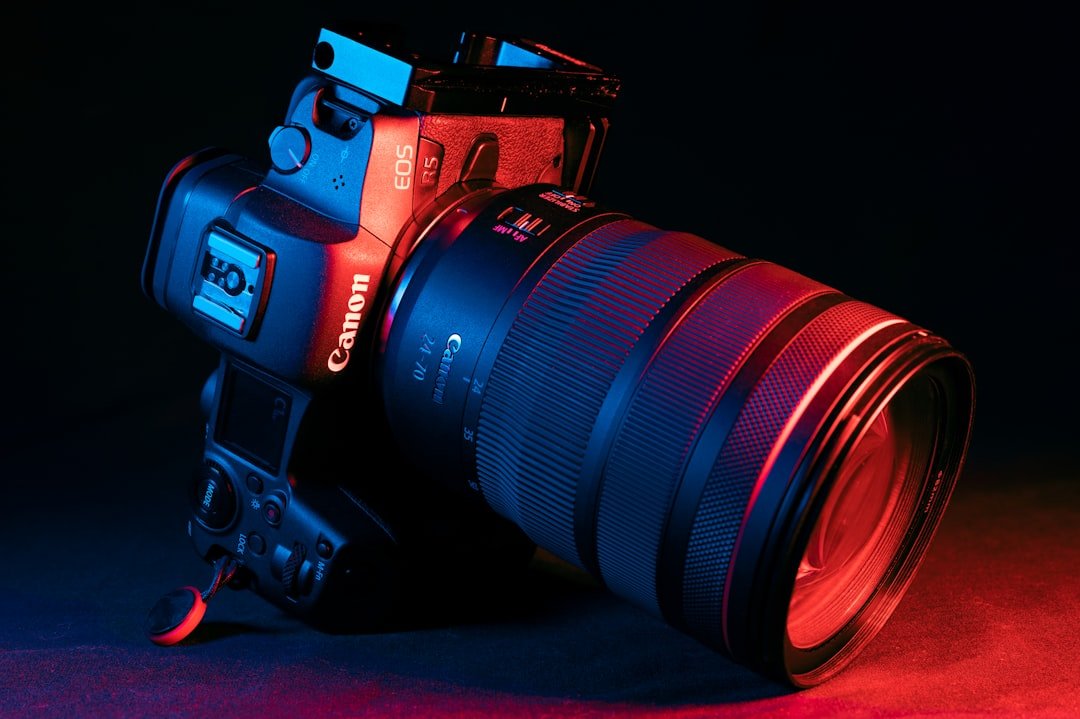
Understanding Canon’s Hybrid Camera Philosophy
Canon has entered a new chapter in its mirrorless evolution with the introduction of the EOS R6 V, marking the company’s inaugural full-frame offering in the coveted V-series lineup. Positioned at a $2,500 investment for the body alone, this camera represents a strategic pivot toward creators who demand excellence across both moving and still imagery without compromise.
The R6 V’s Market Position and Target Audience
The Canon EOS R6 V addresses a specific segment of the creative market: professionals and serious enthusiasts who refuse to choose between exceptional cinematography and robust still photography capabilities. At this price tier, potential buyers are typically making substantial financial decisions, signifying their commitment to advanced production workflows. The camera occupies an intriguing middle ground where cinematic ambitions meet photographic precision.
Hybrid Capabilities in Today’s Content Landscape
The emergence of true hybrid cameras reflects modern creative realities. Content creators increasingly juggle multiple formats simultaneously—capturing documentary-style video segments alongside editorial imagery for social platforms, marketing materials, and archival purposes. The R6 V acknowledges this professional necessity, integrating features traditionally separated between dedicated cinema and photography lines.
Comparing Positioning Against Alternatives
While the Canon EOS C50 serves distinct cinematic purposes, the R6 V operates from a different philosophy. Rather than prioritizing cinema-first ergonomics and workflow, the R6 V maintains the accessibility and control systems photographers recognize while enhancing video capabilities significantly. This approach creates distinct competitive advantages for different creator profiles.
Financial Considerations and Market Expectations
At the $2,500 body-only price point, buyers encounter serious professional-grade equipment investment thresholds. This positioning places the R6 V alongside comparable hybrid systems from competing manufacturers, each offering distinct advantages depending on workflow priorities. The investment justifies serious evaluation of long-term needs rather than impulse purchasing.
Making Your Decision Framework
Prospective owners should honestly assess their content creation priorities. Does your work emphasize still imagery with supplementary video? Do video projects dominate your output? The R6 V excels when both formats demand professional-grade execution. Understanding whether you need cinema-optimized architecture versus photography-rooted capability with video enhancements becomes crucial to satisfaction with your purchase.
Canon’s V-series introduction signals the company’s confidence in hybrid market maturation. As production demands increasingly blur traditional category boundaries, cameras engineered for genuine dual-purpose excellence represent the pragmatic evolution of creative tools rather than compromise solutions.
Conclusion
The Canon EOS R6 V arrives at a pivotal moment for hybrid imaging. Whether it makes sense for your creative work depends entirely on your specific demands, workflow preferences, and whether your projects require the balanced proficiency this camera delivers. Evaluating against your actual production requirements—not marketing positioning—ensures intelligent equipment investment.