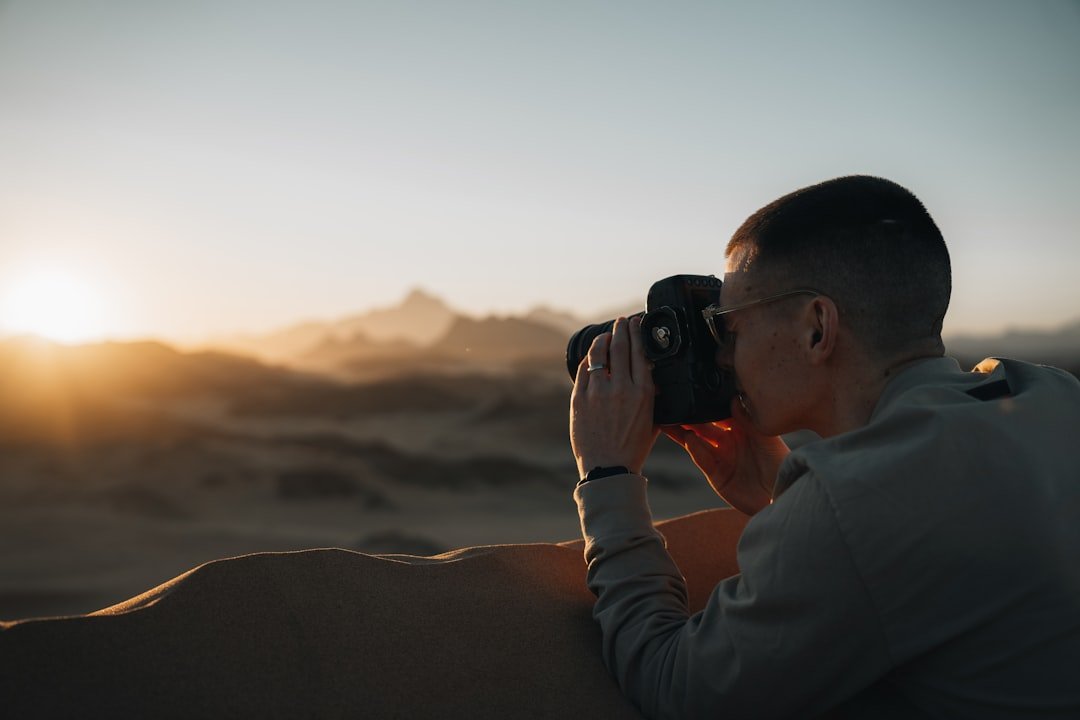
The scenario is painfully familiar to photographers everywhere: you return from an exciting destination brimming with anticipation, transfer hundreds of images to your computer, and discover that the final collection feels disappointingly underwhelming. This experience transcends amateur enthusiasts—even experienced visual storytellers encounter this frustration with alarming regularity. Surprisingly, the culprit rarely stems from inadequate equipment or technical deficiency.
The disconnect between what your eye perceived and what your camera captured often originates from deeply ingrained compositional and behavioral patterns that develop over time. Understanding these counterproductive tendencies represents the critical first step toward substantially elevating your travel photography output.
The Composition Trap: Playing It Safe
Many photographers unconsciously default to predictable framing choices when traveling. The instinct to center subjects, maintain excessive negative space, and follow conventional composition rules can produce technically sound but creatively sterile imagery. Travel presents opportunities for experimental composition—asymmetrical balance, leading lines that challenge viewer expectations, and unconventional perspectives deserve serious consideration. Breaking free from habitual compositional safety nets requires deliberate intention and willingness to discard frames that feel uncomfortable initially.
Insufficient Pre-Visualization and Planning
Successful travel photographers invest time researching locations before arrival, studying light conditions during specific seasons, and identifying compelling vantage points. Wandering aimlessly, while sometimes serendipitous, typically generates mediocre results. Consulting topographical maps, reviewing previous photographers’ work from your destination, and planning specific shooting windows during golden hour dramatically improves editorial quality and narrative coherence across your collection.
Overlooking Environmental Context
Technical proficiency with exposure, focus, and color grading means little when images lack contextual storytelling depth. Prioritizing isolated subjects while ignoring the environmental narrative weakens overall impact. Environmental portraiture, layered compositions incorporating foreground and background elements, and images establishing geographic or cultural specificity transform random snapshots into cohesive visual narratives that resonate meaningfully with viewers.
Inadequate Editing Discipline
Delivering excessive imagery without rigorous curation dilutes visual impact. Photographers frequently distribute entire shooting sessions rather than exercising restraint and presenting only exceptional frames. Professional editorial standards demand substantial selectivity—showcasing only your strongest material maintains audience engagement and reinforces your distinctive visual voice.
Neglecting Intentional Subject Research
Understanding your subjects—whether architectural landmarks, cultural practices, or natural phenomena—enriches visual interpretation. Superficial documentation produces generic tourist photography. Deeper investigation into historical significance, cultural traditions, or environmental characteristics informs more thoughtful compositional decisions and generates images with authentic resonance rather than surface-level appeal.
Transforming travel photography from disappointing to remarkable requires examining these behavioral patterns honestly. The equipment in your bag matters far less than the intentionality directing your image-making process. By addressing these systematic approaches to travel photography, you’ll discover that subsequent trips yield collections that genuinely excite and inspire both you and your audience.