Groundbreaking Underwater Photography Mission Reveals Hidden Atlantic Wonders
A dedicated team of marine scientists recently concluded an ambitious month-long expedition into one of the Atlantic Ocean’s most remote and geologically active regions. This pioneering effort focused on documenting the extraordinary biodiversity inhabiting the seafloor in an area characterized by constant geological upheaval and tectonic displacement.
The 35-day research mission ventured into a challenging mountainous corridor beneath the Atlantic waters, where the Earth’s crust continuously shifts and transforms the submarine landscape. This dynamic geological environment creates extreme conditions that have remained largely unexamined by modern science, making it an ideal location for breakthrough discoveries.
Capturing the Impossible: Technical Challenges and Solutions
From a visual documentation standpoint, photographing creatures in these unexplored depths presents extraordinary technical hurdles. The team deployed specialized imaging equipment capable of functioning under immense pressure, darkness, and challenging water conditions. Advanced camera systems with enhanced light sensitivity and color correction technologies proved essential for capturing accurate representations of these rarely-seen organisms.
The pressure at these depths—often exceeding 3,000 meters—requires ruggedized camera housings and specialized lighting systems that can penetrate the absolute darkness of the deep ocean. High-resolution sensors combined with precision autofocus capabilities allowed researchers to document intricate details of creatures previously unknown to science, creating visual records of exceptional scientific value.
Revealing Nature’s Strangest Adaptations
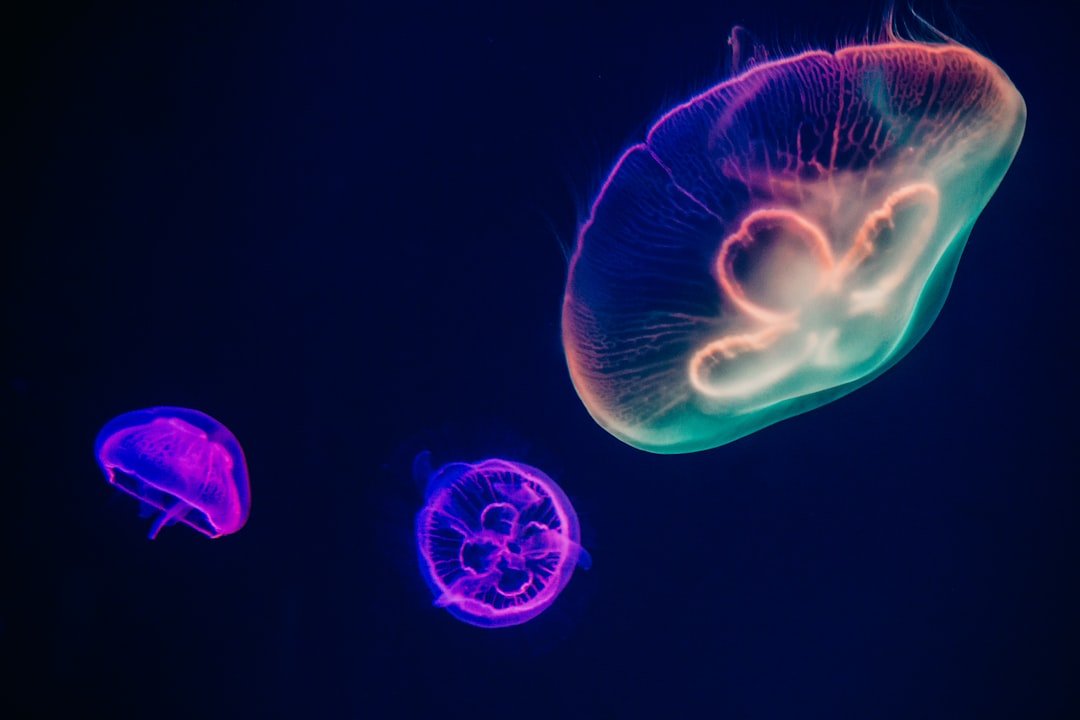
The expedition yielded photographs of an astounding array of peculiar life forms that have adapted to thrive in this unforgiving environment. These organisms display remarkable morphological features—from bioluminescent capabilities to unusual body structures—that represent millions of years of evolution under extreme pressure and perpetual darkness.
Each specimen documented during the mission contributes crucial visual and scientific data to our understanding of deep-sea ecosystems. The photography from this expedition will serve as essential reference material for marine biologists and oceanographers worldwide, providing insights into how life persists in Earth’s most inhospitable environments.
Significance for Marine Science and Conservation
This photographic documentation initiative holds tremendous significance beyond mere curiosity. Visual records of deep-sea biodiversity establish baseline data crucial for monitoring environmental changes in the ocean’s most remote regions. As climate change and industrial activities increasingly threaten marine ecosystems, comprehensive visual catalogs become invaluable for conservation efforts and policy development.
The high-quality imagery captured during this expedition enables scientists to study creature behavior, identify new species, and understand the complex relationships within deep-ocean food webs. Such comprehensive visual documentation creates an irreplaceable archive for future researchers and educators.
This groundbreaking expedition demonstrates how advanced imaging technology, combined with scientific dedication and exploration, continues to unveil the mysteries of our planet’s final frontiers. The photographs emerging from this mission represent a significant contribution to marine science and remind us of the extraordinary wonders that still await discovery beneath our oceans’ surfaces.